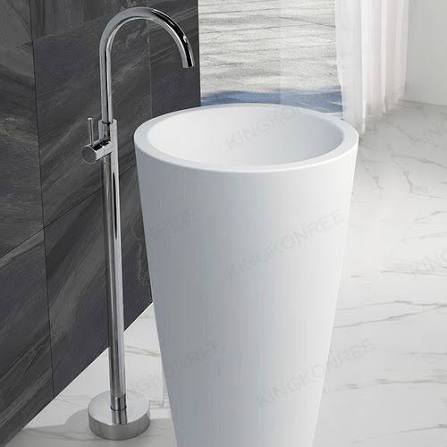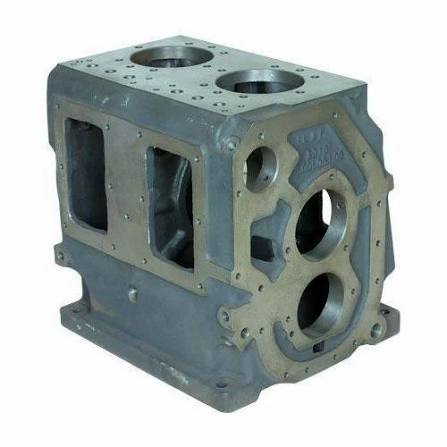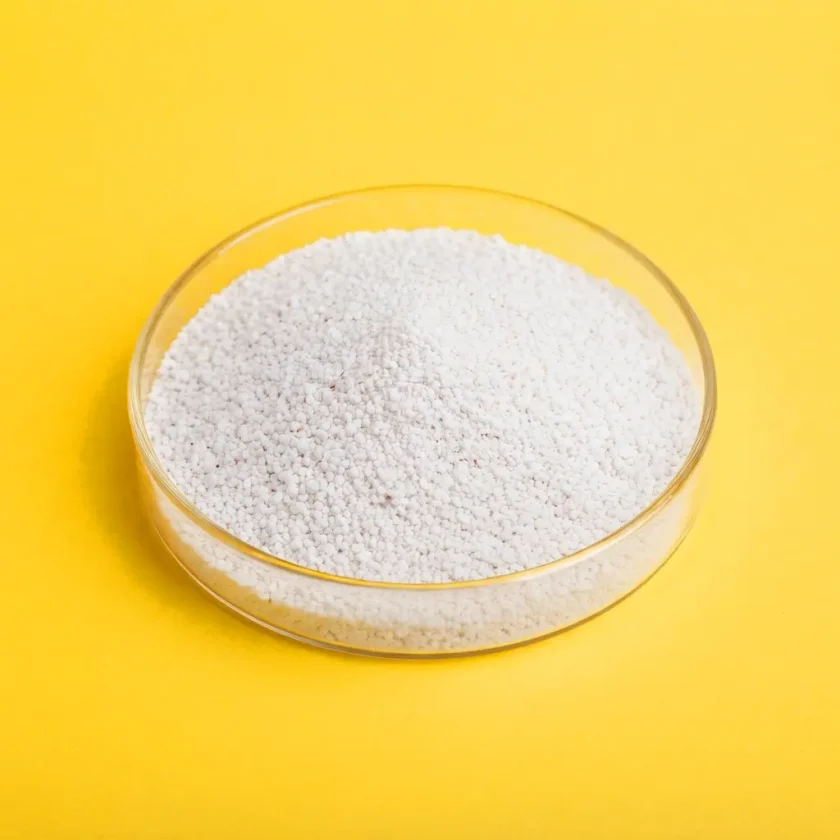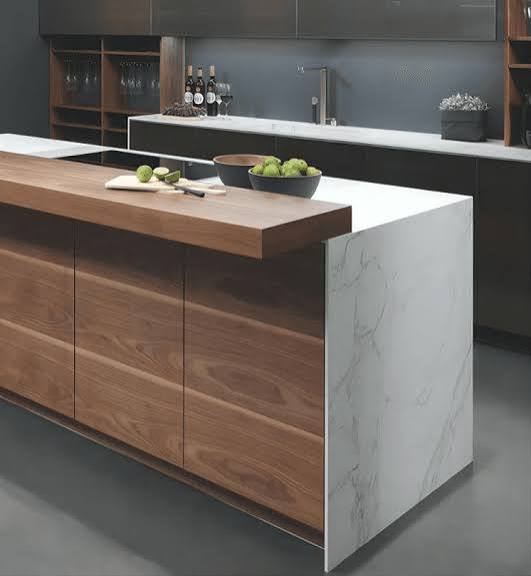
Technology has become an important part of modern manufacturing, helping producers improve material consistency, production efficiency, design flexibility, and quality management. In the solid surface industry, manufacturing involves several interconnected stages, including raw material preparation, mixing, molding, curing, finishing, and inspection. Each stage requires careful control to achieve products that meet the intended appearance and performance requirements.
The production of KKR Solid Surface products can be understood within this broader movement toward technology-driven manufacturing. Modern equipment and process-control methods can help manufacturers manage complex production requirements, improve repeatability, and support different product designs. Understanding how these technologies contribute to manufacturing provides useful insight for architects, designers, contractors, and buyers evaluating solid surface materials.
1. Understanding Technology in Solid Surface Manufacturing
Solid surface materials are generally manufactured using a combination of mineral fillers, resin-based binders, pigments, and other formulation components. Exact compositions vary according to the product and manufacturing process.
Producing a consistent material requires careful attention to ingredient proportions, mixing conditions, temperature, curing, and finishing. Advanced technology supports these activities by improving process control and reducing unnecessary variation.
Modern manufacturing technology may include:
- Automated material handling systems.
- Precision weighing and batching equipment.
- High-performance mixing machinery.
- Controlled molding and casting systems.
- Temperature-regulated curing equipment.
- Computer-controlled cutting and finishing tools.
- Digital inspection and production monitoring systems.
- Computer-aided design and manufacturing software.
The value of these technologies lies not simply in automation but in their ability to support repeatable manufacturing standards.
2. Automated Raw Material Handling and Preparation
Raw material preparation is one of the first important stages in solid surface production. The quality and consistency of the ingredients can influence the characteristics of the finished material.
Traditional manual handling can introduce variations in measurement, transfer, and preparation. Automated systems can help manufacturers manage these activities more consistently.
Precision Material Weighing
Automated weighing equipment can measure different ingredients according to established formulation requirements.
Accurate measurement helps maintain consistency between production batches and reduces the likelihood of errors caused by manual handling.
Controlled Material Transfer
Conveying and handling systems can move ingredients between storage, preparation, and mixing areas.
Properly designed transfer systems also help organize production workflows and reduce unnecessary material handling.
Batch Identification
Digital batch records can connect raw materials with specific production runs.
This information can support traceability, troubleshooting, and quality investigations if a manufacturing issue occurs.
3. Advanced Mixing Technology and Material Uniformity
Mixing is a critical process because the different components of a solid surface formulation must be distributed appropriately.
Uneven mixing may contribute to inconsistent color, texture, material distribution, or other variations in the finished product.
High-Performance Mixing Equipment
Industrial mixers are designed to combine materials under controlled operating conditions.
Depending on the formulation, manufacturers may use equipment that supports consistent blending while helping manage air inclusion and material flow.
Process Parameter Monitoring
Modern production systems can monitor factors such as mixing time, equipment speed, and other process conditions.
Maintaining appropriate operating parameters helps manufacturers repeat established production procedures.
Reducing Batch Variation
Consistent mixing procedures can help reduce differences between batches.
This is particularly important when producing multiple panels or components intended for the same interior project.
4. Computer-Controlled Molding and Casting Processes
Molding and casting technology helps determine the dimensions, shape, and surface characteristics of solid surface products.
Manufacturers may use different production methods depending on the required product type, material formulation, and manufacturing capacity.
Precision Mold Preparation
Accurately prepared molds help establish the intended dimensions and geometry of finished components.
Digital design tools can assist in developing mold specifications before physical production begins.
Controlled Material Distribution
Appropriate casting procedures help distribute the material throughout the mold.
Process consistency is important for achieving the intended product thickness and reducing unwanted defects.
Customized Product Shapes
Technology-supported mold design can make it easier to plan products with different dimensions, curves, and integrated design features.
However, the available customization options depend on the manufacturer’s equipment, tooling, and product capabilities.
5. Temperature Control and Curing Technology
Curing is an important stage in many resin-based solid surface manufacturing processes.
During curing, the material undergoes changes that help it develop its intended physical characteristics. The required conditions depend on the specific formulation and production method.
Temperature-Regulated Equipment
Controlled heating systems can help maintain suitable processing conditions during curing.
Consistent temperature management is important because unsuitable conditions may affect the final material properties.
Monitoring Curing Conditions
Digital monitoring equipment can record temperature and processing time.
These records help production teams evaluate whether established manufacturing parameters have been followed.
Process Consistency
Repeatable curing procedures can support consistency between production batches.
Manufacturers must still validate the appropriate conditions for each formulation rather than relying on one universal curing schedule.
6. CNC Technology in Cutting and Fabrication
Computer numerical control, commonly known as CNC, has become an important technology in modern material fabrication.
CNC equipment uses programmed instructions to control cutting, shaping, drilling, and other machining operations.
For solid surface components, this technology can support accurate fabrication and more complex designs.
Precise Cutting
CNC cutting equipment can follow digital dimensions to produce components with consistent measurements.
This is useful when preparing countertop sections, vanity components, wall panels, and other fabricated products.
Complex Shapes and Profiles
Computer-controlled machining can help create curved edges, openings, and customized profiles.
Designers can develop detailed specifications before fabrication begins.
Reduced Manual Variation
Automated machining can reduce dependence on manual measurement and cutting for repetitive tasks.
However, suitable programming, tool selection, machine maintenance, and operator supervision remain essential.
7. Digital Design and Computer-Aided Manufacturing
Digital design tools help connect product development with manufacturing operations.
Computer-aided design software allows designers and engineers to create detailed product models before production starts.
Three-Dimensional Product Modeling
Three-dimensional models help visualize product dimensions, proportions, and design features.
They can also help identify potential conflicts between components before manufacturing begins.
Design Adjustments
Digital models make it easier to modify dimensions, profiles, and other specifications during the development process.
This can be useful for projects that require customized bathroom fixtures, countertops, or decorative components.
Connecting Design with Production
Computer-aided manufacturing software can translate approved designs into machine instructions where compatible equipment is available.
This connection can help improve coordination between design, engineering, and fabrication teams.
8. Automated Surface Finishing Technology
Surface finishing has a major influence on the appearance and usability of solid surface products.
Different applications may require matte, satin, or polished finishes. Achieving the intended result requires suitable equipment and controlled finishing procedures.
Mechanical Sanding Systems
Automated sanding equipment can support consistent surface preparation.
The appropriate abrasive sequence depends on the material and desired finish.
Polishing Equipment
Polishing systems may be used to achieve a smoother or more reflective appearance where required.
The final result depends on the product formulation, abrasive selection, equipment settings, and finishing technique.
Consistent Surface Appearance
Controlled finishing procedures can help reduce visible differences across production batches.
Inspection remains necessary to identify scratches, uneven areas, and other surface imperfections.
9. Digital Quality Inspection and Testing
Quality control is essential in solid surface manufacturing because finished products must meet defined dimensional, visual, and performance requirements.
Digital inspection technologies can support traditional quality checks by providing more consistent measurement and documentation.
Dimensional Measurement
Digital measuring equipment can help verify product thickness, length, width, and other specified dimensions.
This is particularly useful for components that must fit accurately into customized installations.
Visual Inspection Systems
Depending on the production setup, cameras and image-processing systems may help identify visible surface defects.
These systems can support inspection, although human evaluation may still be necessary for complex patterns and appearance-related decisions.
Material Testing
Manufacturers may use suitable testing procedures to evaluate characteristics such as hardness, water absorption, impact behavior, or resistance to particular chemicals.
The relevant tests should reflect the product’s intended application and applicable technical requirements.
Quality Records
Digital records can document inspection results and help identify recurring production problems.
This information can support continuous improvement and more informed manufacturing decisions.
10. Data Monitoring and Smart Manufacturing Systems
Modern factories increasingly use digital monitoring systems to collect and evaluate production information.
These systems can help manufacturers understand equipment performance, production output, and process variation.
Real-Time Process Monitoring
Sensors and monitoring software can collect information about equipment conditions and selected production parameters.
Operators can use this information to identify unusual changes during manufacturing.
Equipment Performance Management
Production data can help maintenance teams identify patterns that may indicate equipment wear or developing mechanical problems.
Planned maintenance can reduce unexpected interruptions and support more stable production schedules.
Production Planning
Digital manufacturing systems can organize work orders, production schedules, and material requirements.
Better coordination can help manufacturers manage different product specifications and order volumes.
11. The Role of Robotics in Material Handling
Robotic systems are increasingly used in manufacturing environments where repetitive or physically demanding activities are involved.
In solid surface production, their potential applications include material movement, component handling, and selected automated operations.
Handling Heavy Materials
Robotic equipment can assist with moving large panels or components when integrated into a suitable production layout.
This may reduce the amount of manual lifting required.
Repetitive Production Tasks
Automation can support repeated operations that require consistent positioning or movement.
The level of automation depends on factory design and the type of products being manufactured.
Workplace Organization
Well-planned material handling systems can improve workflow and help separate different production activities.
Human supervision remains important for safety, equipment operation, and quality decisions.
12. How Advanced Technology Supports Customization
Customization is an important consideration in interior projects because standard dimensions and designs may not meet every architectural requirement.
Technology can help manufacturers plan and produce a wider range of product configurations.
Examples include:
- Customized countertop dimensions.
- Different basin and vanity designs.
- Curved or shaped components.
- Alternative edge profiles.
- Product-specific openings and cutouts.
- Coordinated components for interior installations.
- Different colors and surface finishes, where available.
Digital modeling, precision machining, and specialized tooling can support these options.
Nevertheless, buyers should confirm the available customization range with the manufacturer because not every design is suitable for every material or production process.
13. Technology and Production Efficiency
Advanced manufacturing equipment can improve production efficiency by reducing unnecessary manual work, improving process coordination, and supporting more predictable operations.
Reduced Processing Errors
Automated measurement and machining can help reduce errors associated with repetitive manual tasks.
Better Workflow Coordination
Digital production planning can help organize material preparation, processing, finishing, and inspection.
Improved Equipment Utilization
Monitoring systems can provide information that helps manufacturers schedule production and maintenance more effectively.
More Consistent Output
When machines operate within validated parameters, manufacturers can improve the repeatability of selected production activities.
Efficiency improvements depend on appropriate equipment selection, operator training, and regular process evaluation.
14. The Importance of Skilled Operators Alongside Automation
Advanced technology does not eliminate the need for experienced manufacturing personnel.
Equipment must be configured, operated, maintained, and monitored by people who understand the production process.
Skilled employees contribute through:
- Selecting suitable production parameters.
- Monitoring raw material preparation.
- Checking mixing and curing conditions.
- Operating fabrication machinery.
- Evaluating surface appearance.
- Identifying unusual defects.
- Maintaining equipment.
- Reviewing inspection records.
Combining technical equipment with experienced personnel helps create a more controlled manufacturing environment.
15. Sustainability and Resource Management Through Technology
Technology can also support more responsible manufacturing practices when systems are designed to reduce unnecessary resource consumption.
Although the environmental impact of solid surface production depends on the materials and manufacturing methods used, process improvements can help manage waste and energy use.
More Accurate Material Measurement
Precision batching can help reduce excess material caused by measurement errors.
Better Cutting Plans
Digital nesting and cutting software can help organize panel layouts to make efficient use of available material.
Equipment Energy Management
Monitoring energy consumption can help manufacturers identify opportunities to improve equipment efficiency.
Production Waste Monitoring
Digital records can help track material waste and identify stages where improvements may be possible.
These measures do not automatically make a product environmentally sustainable, but they can contribute to better resource management when supported by measurable practices.
16. Challenges of Adopting Advanced Manufacturing Technology
Although advanced equipment offers potential benefits, adopting new technology also creates challenges.
Manufacturers must consider the cost of equipment, integration requirements, employee training, and ongoing maintenance.
Initial Investment
Automated machinery, digital monitoring systems, and precision fabrication equipment can require significant capital investment.
Technical Training
Employees need appropriate training to operate new systems safely and effectively.
System Integration
Different machines and software platforms must work together within the production workflow.
Maintenance Requirements
Advanced equipment requires regular servicing, calibration, and technical support.
Process Validation
Manufacturers must confirm that new equipment produces results that meet established product specifications.
Careful planning helps ensure that technology investments deliver practical improvements rather than adding unnecessary complexity.
17. What Buyers Should Consider When Evaluating a Solid Surface Manufacturer
Understanding a manufacturer’s technology and production approach can help buyers make more informed purchasing decisions.
Instead of judging a supplier only by its machinery, buyers should evaluate how technology contributes to product quality and project requirements.
Important questions include:
- What manufacturing processes are used for the selected product?
- How are raw materials measured and prepared?
- What controls are used during mixing and curing?
- How are product dimensions verified?
- What finishing options are available?
- Which quality tests are performed?
- How are customized designs developed and approved?
- Are production and inspection records maintained?
- What technical information is available for installation and maintenance?
- How does the manufacturer handle product defects or quality concerns?
Requesting product specifications, samples, and relevant test documentation can provide a clearer understanding of manufacturing capabilities.
Conclusion
Advanced technology plays an important role in modern solid surface production by supporting precise material preparation, controlled processing, accurate fabrication, consistent finishing, and systematic quality inspection. Automated equipment, CNC machining, digital design software, process monitoring, and data management systems can help manufacturers improve repeatability and respond to different product requirements.
However, technology alone does not guarantee product quality. Its effectiveness depends on suitable material formulations, validated production procedures, equipment maintenance, and skilled operators. For buyers evaluating solid surface products, understanding these manufacturing elements provides a practical basis for comparing suppliers and selecting materials that meet their design, installation, and long-term maintenance requirements.