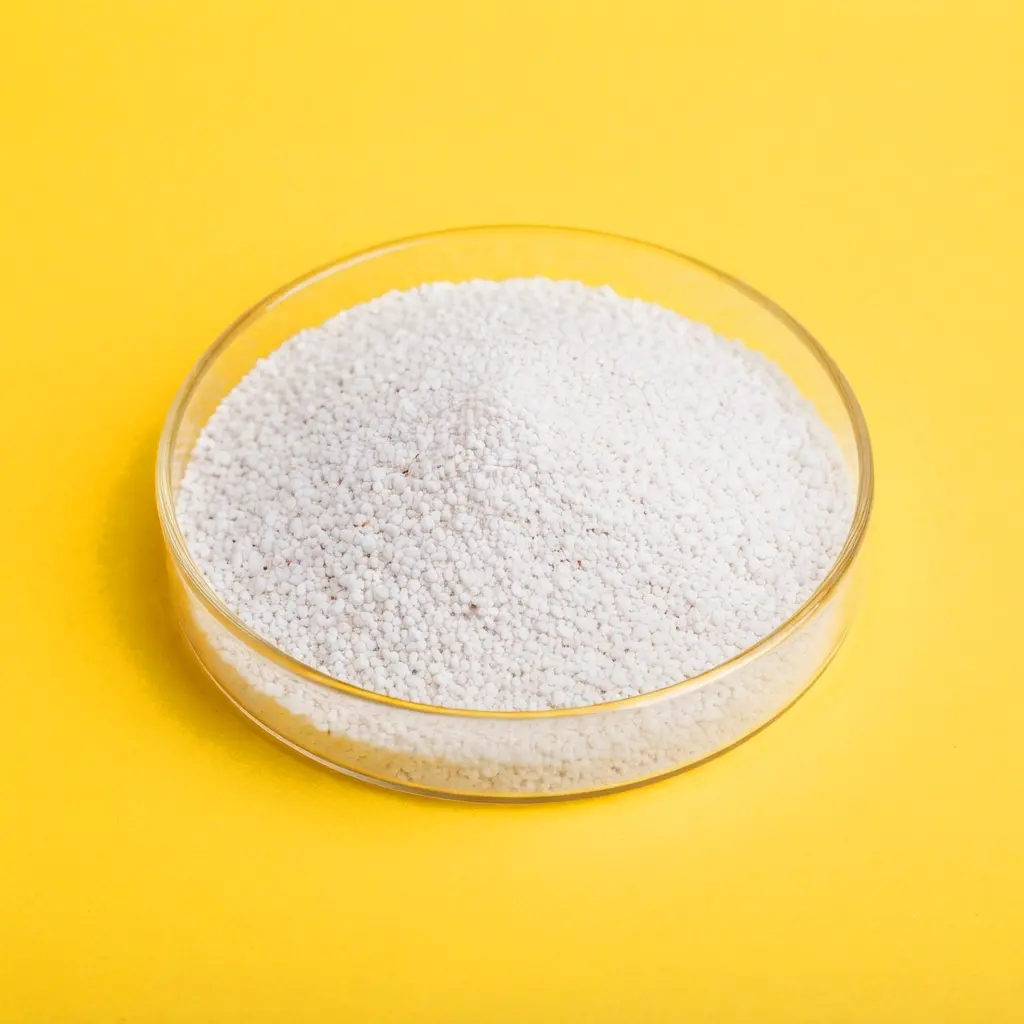
TCCA effervescent tablets are formulated to provide a convenient and controlled way of preparing chlorine-based disinfectant solutions. Made with trichloroisocyanuric acid (TCCA) and selected effervescent ingredients, these tablets are designed to react when placed in water, helping the tablet break apart and disperse its active ingredients. Their formulation can influence dissolution behavior, handling convenience, and the consistency of disinfection procedures.
Understanding the relationship between tablet composition and performance is important for buyers, distributors, and water-treatment professionals. When comparing TCCA Effervescent Tablets, it is useful to examine available chlorine content, tablet hardness, dissolution characteristics, packaging quality, and suitability for the intended application. These factors help determine whether a particular formulation meets operational requirements.
What Are TCCA Effervescent Tablets?
TCCA effervescent tablets are solid disinfectant products based on trichloroisocyanuric acid, a chlorine-releasing compound with strong oxidizing properties. They typically contain formulation ingredients that help the tablet maintain its shape during storage and handling while supporting its breakdown after contact with water.
The effervescent effect generally comes from a combination of compatible ingredients that react in water and release gas, helping the tablet disintegrate. This process can promote dispersion, although the exact dissolution behavior depends on the formulation and operating conditions.
Commercial TCCA products are often specified at approximately 90% available chlorine, but the actual specification of an effervescent tablet should be confirmed through its technical documentation and certificate of analysis.
How Tablet Formulation Influences Dissolution
Dissolution is one of the most important characteristics of an effervescent disinfectant tablet. It determines how quickly the tablet breaks down and how its active ingredients become distributed in the surrounding water.
Several formulation elements can influence this process.
Effervescent Ingredients
Effervescent systems commonly use compatible acid and carbonate or bicarbonate components. When exposed to water, these ingredients react and release carbon dioxide gas, which helps break apart the tablet structure.
The balance between these components can influence the intensity and duration of the effervescent reaction. A formulation must be designed carefully to support reliable performance without compromising product stability during storage.
Tablet Hardness and Compression
Tablet hardness is influenced by compression force, ingredient characteristics, and manufacturing conditions. A tablet needs sufficient mechanical strength to withstand packaging, transportation, and routine handling.
However, excessive hardness may slow disintegration, while insufficient hardness can make tablets fragile and vulnerable to breakage. Manufacturers therefore need to balance physical strength with the intended dissolution profile.
Particle Size and Ingredient Distribution
The particle size of formulation ingredients can influence how water penetrates the tablet and how quickly different components disperse. Uniform ingredient distribution is also important for maintaining consistency between tablets.
Manufacturing controls that support consistent particle characteristics and blending can help reduce variation in tablet behavior.
Key Performance Characteristics
The performance of TCCA effervescent tablets is determined by several connected properties rather than a single specification.
Available Chlorine Content
Available chlorine indicates the product’s potential chlorine contribution. It is a key quality parameter because chlorine provides the oxidizing action responsible for disinfection.
Buyers should check the manufacturer’s stated specification and verify it through batch documentation. The available chlorine content of a finished effervescent formulation may differ from that of the TCCA raw material because other ingredients are included in the tablet.
Disintegration Time
Disintegration time describes how long a tablet takes to break apart under specified test conditions. It is influenced by tablet dimensions, hardness, formulation composition, water temperature, and agitation.
A shorter disintegration time may be useful in applications requiring prompt preparation, but rapid tablet breakdown does not automatically mean that the resulting solution has achieved the required disinfection performance.
Dispersion and Solution Consistency
After disintegration, the active ingredients need to disperse appropriately in the water. Consistent dispersion helps support predictable preparation, although the actual chlorine concentration must still be measured when required by the treatment procedure.
Water chemistry and operating conditions can influence the behavior of the prepared solution.
Physical Stability
Effervescent tablets are sensitive to moisture. Exposure to humidity can trigger unwanted reactions, affect tablet strength, and reduce product stability. Appropriate formulation design and moisture-resistant packaging are therefore important quality considerations.
Applications of TCCA Effervescent Tablets
TCCA effervescent tablets may be used in selected disinfection and sanitation applications when the product is approved and suitable for the intended purpose.
Swimming Pool Water Treatment
Chlorine-based TCCA products are used in some swimming pool maintenance programs to help control microorganisms and support sanitary water conditions.
Pool operators should follow product-specific instructions and monitor free chlorine and pH regularly. Because TCCA contributes cyanuric acid to the water, cyanuric acid levels should also be monitored where the product is used repeatedly.
Effervescent tablets should not be assumed to be interchangeable with conventional pool tablets. Their dissolution behavior and application instructions may differ.
Industrial Water Treatment
Some industrial water-treatment operations use chlorine-based products to manage microbial contamination in suitable systems. Whether an effervescent TCCA tablet is appropriate depends on system design, water chemistry, treatment requirements, and applicable regulations.
Operators should confirm compatibility with dosing equipment, materials, and other treatment chemicals before use.
Facility and Equipment Sanitation
Certain TCCA formulations may be suitable for preparing disinfectant solutions for approved hard-surface or equipment sanitation procedures. The product label should specify the permitted use, preparation instructions, contact time, and any rinsing requirements.
Not every TCCA tablet is suitable for food-contact surfaces, drinking-water treatment, or other regulated applications. Buyers should verify the relevant approval before selecting a product for these purposes.
Factors That Affect Disinfection Performance
Dissolution is only one part of the overall disinfection process. The effectiveness of a prepared TCCA solution also depends on the conditions in which it is used.
Important factors include:
- Concentration: The actual available chlorine level in the prepared solution must meet the requirements of the intended procedure.
- Water pH: Influences chlorine chemistry and the proportion of active disinfecting species.
- Organic matter: Can consume chlorine and increase disinfectant demand.
- Contact time: Determines how long microorganisms are exposed to the disinfectant.
- Temperature: May affect dissolution and chemical reaction rates.
- Water circulation: Influences how evenly the disinfectant is distributed in a treatment system.
Operators should use appropriate testing methods and follow validated application procedures. Tablet disintegration alone should never be treated as proof that disinfection is complete.
Storage and Handling Considerations
TCCA is a strong oxidizer, and effervescent formulations require particular attention to moisture control. Proper storage helps preserve tablet quality and reduces the risk of unwanted chemical reactions.
Protect Tablets from Moisture
Store tablets in their original, tightly sealed packaging in a cool, dry, well-ventilated area. Moisture-resistant packaging helps prevent premature effervescence, deterioration, and changes in physical strength.
Avoid Heat and Direct Sunlight
Keep products away from excessive heat and direct sunlight. Follow the manufacturer’s specified storage conditions and avoid placing containers near heat-generating equipment.
Separate from Incompatible Chemicals
TCCA products must be kept away from acids, ammonia, reducing agents, oils, grease, combustible materials, and other incompatible chemicals. Never mix TCCA tablets with other pool chemicals or cleaning products, as dangerous reactions and hazardous gas release may occur.
Follow Safe Handling Procedures
Personnel should consult the safety data sheet before handling the product. Suitable chemical-resistant gloves, eye protection, and protective clothing should be used according to the workplace risk assessment. Avoid breathing dust from broken tablets and prevent direct contact with skin and eyes.
How Buyers Can Evaluate Product Quality
Selecting a suitable effervescent TCCA tablet requires a review of both chemical specifications and physical characteristics.
Review Technical Specifications
Important parameters may include available chlorine, tablet weight, dimensions, hardness, disintegration time, and moisture-related specifications. Buyers should compare these values with the requirements of their intended application.
Request Batch Documentation
A certificate of analysis helps verify whether a supplied batch meets the manufacturer’s stated specifications. A safety data sheet provides essential information about hazards, storage, incompatibilities, and emergency measures.
Assess Packaging Quality
Packaging should protect tablets from moisture during storage and transportation. Buyers should check that containers are properly sealed, clearly labeled, and suitable for the product’s distribution conditions.
Consider Manufacturing Consistency
Consistent tablet weight, hardness, appearance, and dissolution behavior are important indicators of manufacturing control. Suppliers should be able to explain their quality-control procedures and provide relevant technical information.
Conclusion
TCCA effervescent tablets combine chlorine-based disinfection chemistry with a formulation designed to support tablet breakdown and ingredient dispersion in water. Their dissolution and performance characteristics depend on the balance of effervescent ingredients, tablet hardness, particle properties, moisture protection, and manufacturing consistency.
For buyers and operators, selecting the right product involves more than comparing available chlorine content. Evaluating dissolution specifications, application suitability, batch documentation, and storage requirements helps support safer handling and more consistent use. Following product-specific instructions and monitoring actual treatment conditions remain essential for effective disinfection.