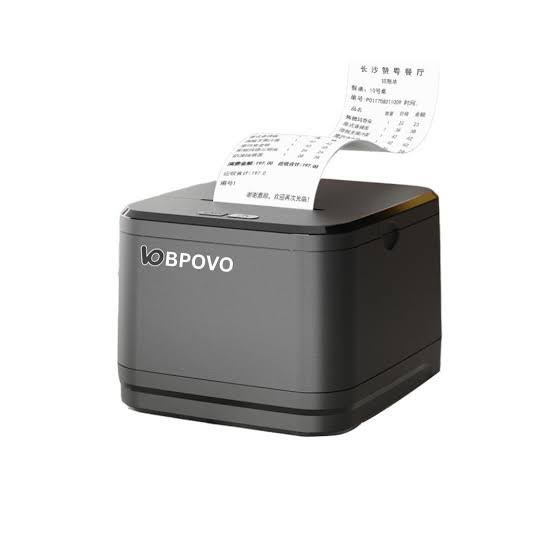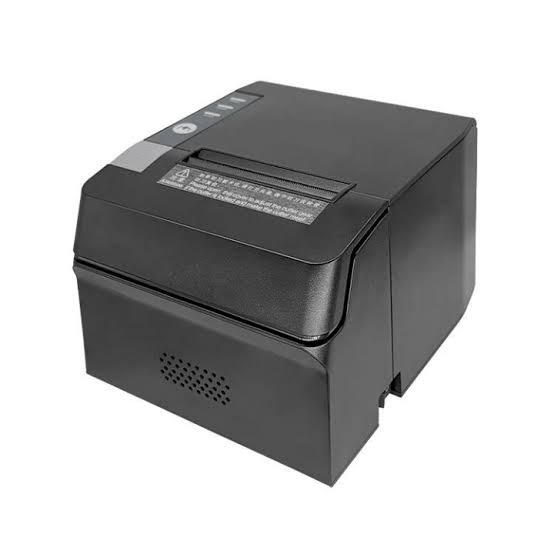
In a competitive printing equipment market, businesses often look for products that reflect their brand identity while meeting specific operational requirements. Standard thermal printers can serve many everyday applications, but distributors, retailers, and equipment brands may need customized designs, specialized features, or private-label packaging to distinguish their products.
A professional Thermal Printer Manufacturer can support these requirements through product customization, OEM and ODM services, technical modifications, and branded packaging solutions. These services allow businesses to develop printing equipment that aligns with their target market without managing every stage of manufacturing independently. Understanding the available customization options helps buyers plan projects more effectively and select suitable manufacturing partners.
1. Understanding Customization in Thermal Printer Manufacturing
Customization refers to modifying a standard product or developing a specific configuration to meet customer requirements. In thermal printer manufacturing, these changes may involve appearance, hardware, software, packaging, or branding.
Some businesses only need their logo displayed on an existing printer model, while others require modifications to product dimensions, connectivity, or printing functions.
The level of customization depends on the manufacturer’s technical capabilities, available production resources, and the complexity of the requested changes.
Before starting a project, businesses should identify which features are essential and which are optional. This helps manufacturers evaluate feasibility and prepare more accurate quotations.
2. Private-Label Branding for Business Identity
Private-label branding allows businesses to sell thermal printers under their own brand names. Instead of marketing equipment using the manufacturer’s identity, customers can create products that align with their existing business image.
Branding options may include:
- Company logos on printer housings.
- Custom product names and model numbers.
- Branded packaging and cartons.
- Customized instruction manuals.
- Warranty cards and product labels.
- Brand-specific accessories or documentation.
Consistent branding across the printer, packaging, and supporting materials can help businesses create a recognizable product presentation.
However, buyers should provide approved logo files, color specifications, and brand guidelines before production begins to avoid design inconsistencies.
3. Customized Printer Housing and Appearance
The external design of a thermal printer influences its visual identity and practical usability. Manufacturers may offer customization options for housing colors, surface finishes, and selected structural features.
For example, a distributor may want a printer with a distinctive color scheme that matches its product range. A business targeting professional environments may prefer a simpler appearance with a specific logo placement.
Housing customization can involve:
- Color selection.
- Surface texture and finish.
- Logo positioning.
- Selected external design modifications.
- Button and control panel arrangements.
- Product identification areas.
Major structural changes may require additional engineering work or new tooling. Businesses should therefore discuss design limitations and related expenses before approving a customized appearance.
4. Hardware Configuration and Functional Modifications
Branding is only one part of customization. Some businesses also need technical configurations that match their customers’ operating environments.
Depending on the printer model, manufacturers may support modifications to selected hardware features.
These may include:
Connectivity options: Different configurations may support USB, Ethernet, Bluetooth, or Wi-Fi communication.
Printing specifications: Customers may require particular printing speeds, resolutions, or media widths.
Paper-handling functions: Certain applications may require specific paper-feeding arrangements or automatic cutting mechanisms.
Control features: Buttons, indicators, and display elements may be adapted according to the product design.
Not every feature can be added to every printer model. Manufacturers must assess component compatibility, design limitations, and testing requirements before confirming technical modifications.
5. Firmware and Software Customization
Thermal printers rely on firmware and software to manage printing operations, communication, and device configuration.
Businesses integrating printers into their own systems may need specific software functions or compatibility arrangements.
Depending on the manufacturer’s development capabilities, customization may include:
- Firmware configuration.
- Supported printing commands.
- Driver compatibility.
- Device identification settings.
- Communication interface adjustments.
- Selected software integration support.
For example, a business may require printers to work with particular point-of-sale software or warehouse management systems.
These requirements should be discussed early in the project. Buyers should provide relevant technical documentation and arrange compatibility testing before approving mass production.
6. Custom Packaging and Product Presentation
Packaging is an important part of private-label manufacturing because it influences how products are presented, stored, and transported.
Manufacturers may support customized cartons, printed product boxes, protective inserts, labels, and accompanying documentation.
A well-planned packaging design should balance brand presentation with product protection.
Important considerations include:
- Brand colors and visual elements.
- Product specifications and model information.
- Barcode and identification labels.
- Protective packaging materials.
- Included accessories.
- Instruction manuals and warranty documents.
For international distribution, businesses should also review packaging language and labeling requirements for their target markets.
7. OEM Services for Customized Thermal Printers
Original Equipment Manufacturer (OEM) services generally involve producing equipment according to customer-defined specifications or approved product designs.
Businesses that already have an established product concept can use OEM manufacturing to handle production while maintaining their own branding.
OEM customization may include private labeling, packaging modifications, selected hardware configurations, and product-specific requirements.
Before beginning an OEM project, buyers should provide clear technical specifications and discuss manufacturing responsibilities.
The agreement should explain which requirements are mandatory, which modifications are optional, and how changes will be approved during production.
8. ODM Services for Product Development
Original Design Manufacturer (ODM) services generally involve greater participation from the manufacturer in product design and development.
This option may suit businesses that want customized printing equipment but do not have an internal engineering team capable of developing the entire product.
An ODM project may include:
- Reviewing the customer’s market requirements.
- Selecting a suitable existing product platform.
- Developing proposed design modifications.
- Preparing prototypes or samples.
- Testing product functionality.
- Approving specifications for mass production.
The precise responsibilities and intellectual property arrangements depend on the commercial agreement.
Businesses should clarify whether the design can be used exclusively, whether similar products may be sold to other customers, and who owns any newly developed components or software.
9. Prototype Development Before Mass Production
Prototype development helps businesses evaluate customized products before committing to large manufacturing orders.
A sample provides an opportunity to examine both appearance and functionality. It can reveal whether the selected branding, housing design, hardware configuration, and packaging meet expectations.
For thermal printers, prototype evaluation should include:
- Printing clarity and consistency.
- Paper-feeding performance.
- Connectivity and compatibility.
- Housing dimensions and appearance.
- Button and indicator functions.
- Power requirements.
- Accessory and packaging arrangements.
If modifications are necessary, the customer and manufacturer can discuss revisions before production begins.
Businesses should confirm sample charges, revision limits, and approval procedures in advance.
10. Quality Control for Customized Products
Customized products require careful quality management because modifications can introduce additional manufacturing variables.
A change in housing dimensions, component configuration, or firmware may affect how the printer operates.
Manufacturers should therefore verify that customized products meet the agreed specifications.
Quality checks may cover:
- Correct logo placement and color consistency.
- Housing dimensions and assembly accuracy.
- Printing performance.
- Electronic and mechanical functionality.
- Software and connectivity compatibility.
- Packaging and product labeling.
Buyers should establish clear acceptance criteria before mass production. This helps both parties understand how the finished products will be evaluated.
11. Customization Costs and Minimum Order Quantities
The cost of customization depends on the type and complexity of the requested changes.
Simple logo printing may involve relatively limited preparation, while structural modifications or new firmware development may require additional engineering resources.
Common cost factors include:
| Customization area | Potential cost considerations |
|---|---|
| Logo branding | Printing method, artwork preparation, and placement |
| Housing changes | Design work, materials, and tooling |
| Hardware modifications | Component selection and assembly |
| Firmware changes | Programming, testing, and development time |
| Packaging | Printing, materials, and customized inserts |
| Prototype development | Sample preparation and design revisions |
Minimum order quantities may also vary. Customized materials, special components, or dedicated production arrangements can make smaller orders less economical.
Businesses should request an itemized quotation and distinguish one-time development charges from recurring unit costs.
12. Choosing Customization Features Based on Target Customers
Not every customization option provides equal value for every market. Businesses should select features according to how customers will use the printers.
For example, retail businesses may prioritize reliable receipt printing, straightforward connectivity, and compact designs. Warehouse customers may focus more on barcode accuracy, label compatibility, and printing speed.
Mobile service providers may prefer lightweight printers with battery operation and wireless communication.
Before requesting customization, consider:
- The industry and application.
- Expected printing volume.
- Required media types.
- Operating environment.
- Software compatibility.
- Customer preferences.
- Maintenance and support requirements.
A market-focused approach prevents unnecessary modifications and helps businesses invest in features that provide practical benefits.
13. Intellectual Property and Brand Protection
Branding and customization projects may involve sensitive business information, including logos, product drawings, firmware, and technical specifications.
Businesses should protect these assets through appropriate confidentiality and intellectual property agreements.
The manufacturing agreement should clarify:
- Ownership of brand names and logos.
- Rights to customized product designs.
- Use of customer-supplied technical drawings.
- Ownership or licensing of firmware.
- Restrictions on sharing confidential information.
- Permissions for manufacturing and resale.
- Responsibilities when the partnership ends.
Clear agreements help prevent misunderstandings and protect the interests of both parties.
14. Production Lead Times for Customized Printers
Customized thermal printer orders may require more time than standard products because they involve additional preparation and approval stages.
The overall schedule may include design confirmation, sample development, testing, customer approval, component sourcing, mass production, and final inspection.
Several factors can influence the timeline:
- Complexity of the requested modifications.
- Availability of specialized components.
- Tooling or mold development.
- Number of prototype revisions.
- Order quantity.
- Existing factory workload.
- Packaging preparation.
Businesses can help reduce delays by submitting complete specifications and providing timely feedback during the development process.
A clear project schedule should identify the expected completion dates for important milestones.
15. After-Sales Support for Branded Products
After-sales support remains important even when thermal printers are sold under a customer’s own brand.
Businesses may need technical assistance, replacement components, warranty services, or firmware updates after products reach their customers.
Before choosing a manufacturing partner, discuss the available support arrangements.
Important areas include warranty coverage, spare parts availability, troubleshooting procedures, product documentation, and responsibility for handling customer complaints.
A manufacturer that can provide consistent technical support may help private-label businesses maintain customer satisfaction and manage their product portfolios more effectively.
16. How to Select a Manufacturer for Customization and Branding
Selecting a suitable manufacturing partner requires evaluating more than its ability to print a logo or modify a product’s appearance.
Businesses should consider the manufacturer’s complete technical and production capabilities.
Useful evaluation steps include:
Review its product range: Check whether it already produces printer models suitable for the intended application.
Assess engineering resources: Determine whether it can support hardware, firmware, and structural modifications.
Examine production facilities: Understand its ability to manage customized orders and repeat production.
Request samples: Evaluate the actual quality of the printer and branding work.
Check quality procedures: Ask how customized specifications are inspected and verified.
Discuss commercial terms: Confirm minimum quantities, development costs, production schedules, and payment conditions.
Review support arrangements: Establish how technical issues, warranty claims, and replacement parts will be handled.
A detailed evaluation can help businesses identify a partner capable of supporting both current customization projects and future product development.
Conclusion
Thermal printer manufacturers support customization and branding through private-label services, OEM and ODM production, hardware modifications, firmware development, customized packaging, and prototype testing. These capabilities allow businesses to offer printing equipment that reflects their brand identity while addressing specific customer and industry requirements.
Successful customization depends on clear specifications, realistic budgets, careful sample evaluation, and effective communication throughout manufacturing. Businesses should also establish quality standards, intellectual property arrangements, production timelines, and after-sales responsibilities before confirming an order. With the right manufacturing partnership, customized thermal printers can become a more consistent part of a company’s product range and market strategy.