Modern businesses depend on efficient printing solutions to manage transactions, organize inventory, identify products, and maintain accurate records. From retail stores and restaurants to warehouses and manufacturing facilities, printed information remains an important part of daily operations. As companies look for ways to improve productivity and control operating expenses, thermal printing technology has become an increasingly popular choice.
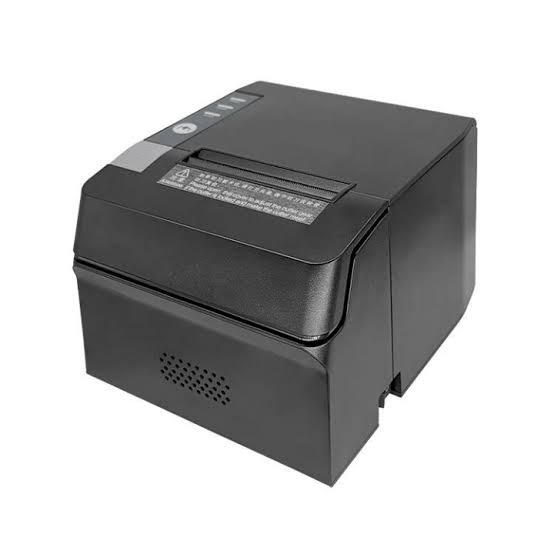
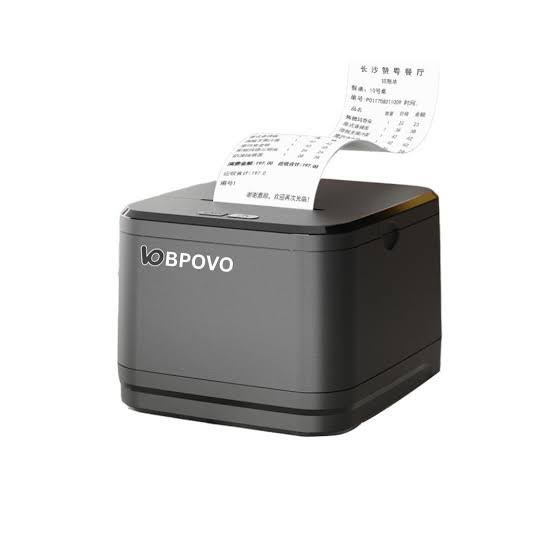
Unlike traditional inkjet and laser printers, thermal printers use heat to create text, images, and barcodes on compatible materials. This technology reduces the need for conventional ink and toner while offering reliable printing performance across various commercial applications. Choosing the right Thermal Printer can help businesses streamline workflows, improve document handling, and support more organized operations.
1. Faster Printing Speeds and Improved Productivity
One of the most important benefits of thermal printers is their ability to produce printed information quickly. Many business environments require frequent printing throughout the day, making printing speed an important factor in operational efficiency.
Retail stores, for example, need to generate receipts immediately after customer transactions. Similarly, warehouses must print shipping labels and product identification information without interrupting packaging and dispatch activities.
Thermal printing technology supports these requirements by using a direct heating process rather than conventional ink-based printing mechanisms.
Faster printing can help businesses:
- Reduce customer waiting times at checkout counters.
- Improve order processing in restaurants and cafes.
- Speed up package preparation in distribution centers.
- Support faster inventory labeling.
- Reduce delays during busy operating periods.
When printing equipment operates efficiently, employees can spend more time on their primary responsibilities rather than waiting for documents or labels.
2. Lower Printing and Operating Costs
Cost management is an important consideration for businesses that produce large quantities of receipts, labels, or tickets. Traditional printers often require ink cartridges or toner replacements, which can increase recurring expenses.
Direct thermal printers eliminate the need for these conventional printing consumables. They use specially coated paper that reacts to heat, simplifying the printing process.
Thermal transfer printers require ribbons, but they do not depend on traditional ink cartridges or toner.
Businesses may benefit from:
- Reduced spending on ink and toner.
- Fewer consumable replacement procedures.
- Simplified printing supply management.
- Lower maintenance requirements in many applications.
- More predictable printing expenses.
Although the actual savings depend on printer type, media costs, and printing volume, thermal technology can provide an economical option for businesses with regular printing requirements.
3. Minimal Maintenance Requirements
Another advantage of thermal printers is their relatively simple printing mechanism. Compared with many conventional printers, they have fewer components associated with ink delivery and toner handling.
This can reduce certain maintenance tasks and make daily operation more convenient.
Businesses generally need to focus on cleaning the printhead, inspecting the platen roller, checking sensors, and replacing printing materials when necessary.
Regular maintenance helps prevent common problems such as faint printing, uneven output, and paper feeding errors.
For organizations operating multiple printing devices, simpler maintenance procedures can also make equipment management more manageable.
4. Quiet Operation in Different Business Environments
Noise levels can influence the comfort and working conditions of employees and customers. Thermal printers generally operate quietly because their printing mechanisms do not require the same processes used by many traditional printers.
This makes them suitable for customer-facing environments where excessive equipment noise may be distracting.
Common applications include:
- Retail checkout counters.
- Hotel reception desks.
- Hospital registration areas.
- Office workstations.
- Restaurant service counters.
- Libraries and administrative facilities.
Quiet printing can contribute to a more comfortable workplace, particularly when equipment is used frequently throughout the day.
5. Clear and Accurate Printing Results
Accurate printing is essential for businesses that rely on readable receipts, product labels, and machine-readable barcodes.
Thermal printers use controlled heating elements to produce text and images. With suitable printing materials and properly maintained components, they can create sharp characters, consistent graphics, and readable barcode patterns.
Print resolution is an important factor in determining the level of detail. Common options include 203 DPI, 300 DPI, and 600 DPI.
Clear printing provides several operational advantages:
- Employees can read product information more easily.
- Barcode scanners can identify properly printed codes.
- Shipping labels remain organized and understandable.
- Receipts provide clear transaction details.
- Inventory identification becomes more consistent.
For businesses that depend on barcode scanning, selecting the correct resolution and label material is especially important.
6. Compact Designs That Save Workspace
Many businesses operate in environments where available workspace is limited. Retail counters, reception desks, and small offices may not have sufficient room for large printing equipment.
Thermal printers are available in compact desktop configurations that can fit into relatively small working areas.
Their space-saving designs make them useful for:
- Small retail stores.
- Convenience shops.
- Restaurants and cafes.
- Medical reception desks.
- Small offices.
- E-commerce packing stations.
Businesses with more demanding printing requirements can also choose industrial models designed for larger workspaces and continuous operations.
7. Flexible Applications Across Multiple Industries
Thermal printing technology supports a wide range of commercial activities. Different printer configurations and printing methods allow businesses to select equipment according to their specific needs.
Retail and Point-of-Sale Operations
Retailers use thermal printers to generate transaction receipts, price labels, product tags, and other customer-related documents.
Fast receipt production helps maintain checkout efficiency, especially during busy shopping periods.
Logistics and Shipping
Shipping companies and e-commerce businesses use thermal printers to produce package labels, tracking barcodes, and delivery documentation.
These printed materials help identify shipments and support organized package handling.
Healthcare Facilities
Hospitals, clinics, and laboratories use specialized thermal printing systems for patient wristbands, specimen identification labels, and prescription documentation.
Accurate printing helps medical employees identify patients and organize important records.
Manufacturing and Warehousing
Manufacturers use thermal transfer printers to produce product identification labels, serial numbers, and component tracking information.
Warehouses also rely on barcode labels to organize shelves, monitor inventory, and manage product movement.
Hospitality and Food Services
Restaurants, cafes, and hotels use thermal printers for billing receipts, kitchen order tickets, and takeaway labels.
These applications help employees coordinate orders and manage customer transactions.
8. Support for Portable and Mobile Business Operations
Modern businesses increasingly require employees to complete tasks outside traditional office environments. Mobile thermal printers support this requirement through compact designs, rechargeable batteries, and wireless connectivity.
Delivery personnel can print receipts or proof-of-delivery documents at customer locations. Field service employees can produce service records, while mobile retailers can generate transaction receipts without returning to a fixed checkout counter.
Common mobile printing applications include:
- Delivery and transportation services.
- Field inspections.
- Mobile retail transactions.
- On-site inventory management.
- Outdoor service operations.
This flexibility can improve workflow efficiency by making printing available wherever business activities take place.
9. Improved Inventory and Product Tracking
Accurate inventory management is essential for businesses that handle large quantities of products. Thermal printers help organizations create labels containing product names, identification numbers, barcodes, batch details, and other relevant information.
These labels support organized storage and product movement throughout the supply chain.
For example, warehouse employees can scan barcode labels when receiving goods, moving products between storage locations, or preparing shipments.
This process helps businesses:
- Improve product identification.
- Reduce manual data entry.
- Support inventory monitoring.
- Organize warehouse storage.
- Maintain better product traceability.
When integrated with inventory management software, thermal printing systems can contribute to more efficient and accurate stock management.
10. Reliable Performance for High-Volume Operations
Some businesses need to print hundreds or thousands of labels or receipts every day. In these environments, consistent equipment performance is essential.
Industrial thermal printers are designed to support demanding printing workloads. They often feature durable components, larger media capacities, and advanced operating capabilities.
Manufacturing plants, distribution centers, and large warehouses can use industrial models to maintain continuous labeling operations.
Selecting a printer with an appropriate duty cycle and media capacity helps businesses reduce interruptions and maintain productivity.
11. Flexible Media and Label Compatibility
Thermal printers support different printing materials depending on their technology and design.
Direct thermal printers generally use specially coated heat-sensitive paper, while thermal transfer printers can work with various label materials when paired with compatible ribbons.
Common options include paper labels, synthetic labels, and specialized materials designed for specific environmental conditions.
This flexibility allows businesses to select printing supplies according to product requirements, storage conditions, and expected label lifespan.
For example, temporary shipping labels may require different materials from industrial asset identification labels that need to remain readable for extended periods.
12. Better Integration with Business Technology
Modern thermal printers can connect with different business systems, helping organizations automate printing activities.
Depending on the model, connectivity options may include USB, Ethernet, Bluetooth, and Wi-Fi.
These connections allow printers to work with:
- Point-of-sale software.
- Warehouse management systems.
- Inventory control applications.
- Enterprise resource planning platforms.
- Mobile business applications.
- Shipping and order management software.
Integration reduces the need for manual printing procedures and allows employees to generate labels or receipts directly from existing business systems.
13. Opportunities for More Sustainable Printing Practices
Businesses are increasingly considering the environmental impact of their daily operations. Thermal printing can support certain resource-efficiency objectives by reducing the need for conventional ink cartridges and toner.
Direct thermal printers also eliminate used ink cartridges and transfer ribbons from their printing process.
However, thermal printing still requires consumable materials, and environmental performance depends on paper sourcing, label construction, waste management, and disposal practices.
Businesses can improve their printing practices by selecting responsibly sourced materials, avoiding unnecessary printing, and choosing recyclable options where suitable.
Factors to Consider Before Investing in a Thermal Printer
Although thermal printers offer many advantages, selecting suitable equipment requires careful evaluation.
Printing Technology: Determine whether direct thermal or thermal transfer printing is more appropriate for the intended application.
Printing Volume: Estimate daily printing requirements to identify whether a desktop, mobile, or industrial model is suitable.
Resolution: Consider the level of detail required for text, graphics, and barcodes.
Connectivity: Check compatibility with existing computers, mobile devices, POS terminals, and business software.
Media Compatibility: Confirm that the printer supports the required paper widths, label dimensions, and material types.
Maintenance and Support: Review cleaning requirements, replacement components, warranty coverage, and technical assistance.
Evaluating these factors before purchasing can help businesses avoid unnecessary expenses and select equipment that meets their long-term operational requirements.
Conclusion
Thermal printers offer several practical benefits for modern business operations, including faster printing, reduced consumable requirements, quiet performance, compact designs, and flexible applications. Their ability to produce receipts, barcodes, product labels, and shipping documents makes them useful across retail, healthcare, logistics, manufacturing, and hospitality industries.
By integrating suitable thermal printing equipment into daily workflows, businesses can improve inventory identification, simplify printing procedures, and support more efficient operations. Careful consideration of printing technology, volume, resolution, connectivity, and maintenance requirements helps organizations choose solutions that deliver reliable performance and long-term value.