Thermal insulation is essential in industrial facilities, commercial buildings, and mechanical systems where temperature control directly affects operational efficiency and equipment performance. In applications involving elevated temperatures, selecting the right insulation material becomes particularly important. The material must provide reliable thermal protection while meeting safety, durability, and installation requirements.
One option receiving attention in specialized industrial applications is High Temperature Fibre Free Thermal Insulation, which refers to insulation solutions designed without conventional fibrous structures for suitable high-temperature environments. These materials can offer practical advantages in applications where fibre release, surface cleanliness, or specific handling requirements are important considerations. However, their suitability depends on their composition, temperature ratings, and verified technical performance.
Understanding Fibre-Free Thermal Insulation
Fibre-free thermal insulation refers to insulation materials that do not rely on traditional fibrous structures, such as mineral wool or fiberglass, to provide thermal resistance.
Depending on their formulation, these products may use cellular, foam-based, or other non-fibrous structures to reduce heat transfer.
Their performance is influenced by several factors, including material composition, density, thermal conductivity, operating temperature, and environmental exposure.
It is important to understand that fibre-free does not automatically mean suitable for every high-temperature application. Some elastomeric foam products, for example, are designed primarily for HVAC and moderate-temperature applications rather than extreme industrial heat.
Why Fibre-Free Insulation Is Considered for Industrial Applications
Industrial environments often involve demanding operating conditions. Manufacturing equipment, processing systems, pipelines, and thermal installations may require insulation that meets specific performance and safety standards.
Fibre-free alternatives may be considered when project requirements involve particular concerns about airborne fibres, surface contamination, or material handling.
1. Reduced Fibre Release Concerns
Traditional fibrous insulation materials can release small particles or fibres when damaged, cut, or disturbed during installation and maintenance.
Certain fibre-free insulation products avoid this particular issue because their structures do not rely on loose or bonded fibres.
This can be beneficial in applications where maintaining clean working conditions is important. Nevertheless, appropriate handling and installation precautions remain necessary.
2. Consistent Thermal Protection
The main purpose of thermal insulation is to reduce heat transfer between equipment and its surrounding environment.
Suitable fibre-free materials can provide thermal resistance through their internal structure, helping maintain operating temperatures and reduce unnecessary heat loss.
Their effectiveness depends on thermal conductivity, material thickness, and operating conditions.
3. Installation and Handling Considerations
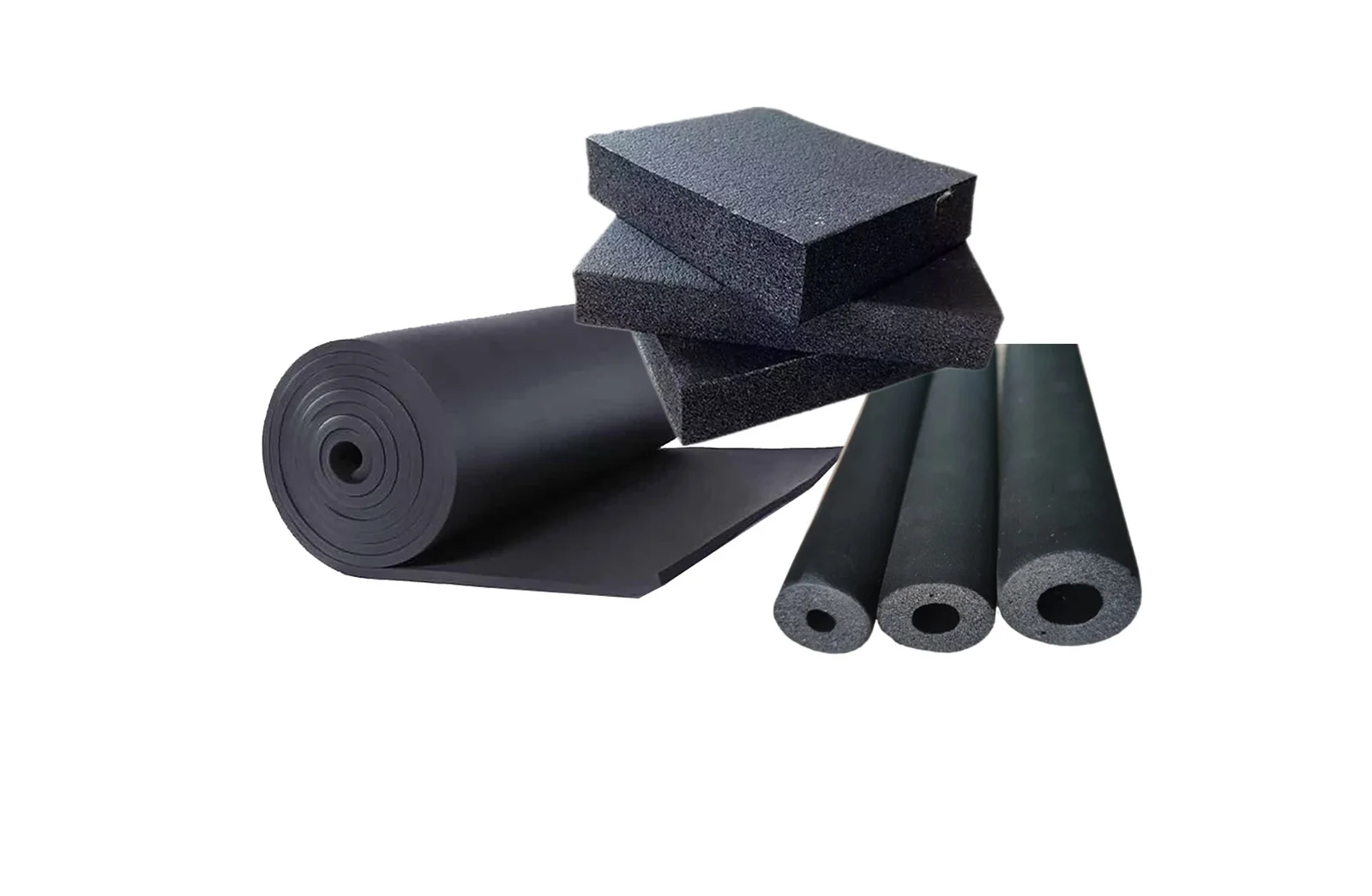
Some non-fibrous insulation products are available in flexible or preformed configurations.
These formats can make installation easier around selected equipment surfaces, pipes, and mechanical components.
The installation process should always follow the manufacturer’s instructions, particularly when materials are exposed to elevated temperatures.
4. Supporting Equipment Protection
Industrial equipment may experience temperature fluctuations that affect its operating conditions and surrounding components.
Appropriate insulation helps reduce unwanted thermal exchange and can protect nearby structures from excessive heat exposure.
Important Characteristics of High-Temperature Insulation Materials
Selecting insulation for elevated-temperature applications requires careful evaluation of several technical properties.
Thermal Conductivity
Thermal conductivity measures how easily heat travels through a material.
Materials with lower thermal conductivity generally provide better resistance to heat transfer.
For industrial projects, manufacturers’ thermal conductivity data should be reviewed across the intended operating temperature range rather than relying on a single value.
Maximum Operating Temperature
Every insulation product has specified temperature limits.
Some materials are designed for HVAC and refrigeration systems, while others are manufactured specifically for furnaces, boilers, kilns, and high-temperature industrial equipment.
Using insulation beyond its approved temperature range may result in deterioration, reduced performance, or safety concerns.
Mechanical Strength
Industrial insulation may experience vibration, pressure, physical contact, and repeated maintenance activities.
The material should have suitable mechanical properties to withstand the expected installation and operating conditions.
Moisture and Chemical Resistance
Industrial environments may involve humidity, water exposure, oils, cleaning agents, or other chemicals.
The insulation material must be compatible with these conditions to prevent premature deterioration.
Fire Performance
Fire behavior is a critical consideration in industrial insulation selection.
Relevant factors include combustibility, flame spread, smoke production, and applicable fire classifications.
These characteristics should be verified through recognized testing and product documentation.
Common Applications of Fibre-Free Thermal Insulation
Fibre-free insulation materials can serve different purposes depending on their composition and temperature ratings.
Industrial Equipment
Manufacturing facilities use a wide range of machinery that generates or transfers heat during operation.
Suitable non-fibrous insulation products may be used on selected equipment surfaces to reduce thermal losses and support temperature management.
HVAC and Mechanical Systems
Certain fibre-free insulation products are suitable for heating, ventilation, and air conditioning installations.
Flexible elastomeric materials, for example, are commonly used around pipes, ducts, and equipment where thermal insulation and condensation control are required.
However, their temperature limitations must be checked carefully before use.
Industrial Piping
Pipelines transporting heated fluids may require insulation to reduce energy losses and maintain process temperatures.
The selected product must withstand the actual operating temperature and remain compatible with the transported medium and surrounding environment.
Clean and Controlled Environments
Some manufacturing and processing facilities have strict cleanliness requirements.
Where fibre contamination is a concern, suitable non-fibrous materials may be considered for selected insulation applications.
Material selection should also account for chemical emissions, surface cleanliness, and relevant industry standards.
Fibre-Free Insulation Compared with Traditional Fibrous Materials
Both fibre-free and fibrous insulation materials have useful applications, but their characteristics differ.
Fibre-free insulation: Uses non-fibrous structures and may be preferred where fibre release or specific cleanliness requirements are important.
Mineral wool: Offers useful thermal and acoustic properties and is available in products designed for demanding industrial temperatures.
Fiberglass insulation: Commonly used in building services and industrial applications because of its thermal performance and availability in different forms.
Ceramic fibre insulation: Designed for certain very high-temperature applications, including furnaces and industrial heat-processing equipment.
The best option depends on operating temperature, fire requirements, mechanical conditions, chemical exposure, and overall project specifications.
Fibre-free products should not automatically be considered superior to traditional materials, particularly in applications involving extreme temperatures.
How to Select the Right Fibre-Free Insulation
Choosing the appropriate material requires a detailed understanding of the installation environment.
Several factors should be reviewed before making a decision.
- Operating temperature: Identify the normal and maximum temperatures the insulation will experience.
- Thermal performance: Compare conductivity values and required insulation thickness.
- Material composition: Confirm whether the product meets the project’s fibre-free requirements.
- Fire safety: Review relevant fire classifications and testing reports.
- Environmental exposure: Consider moisture, chemicals, ultraviolet radiation, and mechanical stress.
- Installation requirements: Evaluate whether sheets, tubes, boards, or preformed components are appropriate.
- Manufacturer documentation: Request technical data sheets, safety information, and temperature performance certifications.
Consulting insulation specialists and industrial engineers can help prevent material selection errors.
Installation Practices for Reliable Performance
Proper installation is essential for achieving the intended thermal performance of any insulation system.
Before installation, the equipment surface should be inspected and prepared according to the manufacturer’s instructions.
Insulation sections should be fitted correctly, and joints should be secured using compatible materials.
Important installation practices include:
- Measuring surfaces accurately before cutting insulation.
- Avoiding unnecessary gaps between sections.
- Using appropriate bonding and fastening methods.
- Protecting insulation from mechanical damage.
- Following specified temperature and curing requirements.
- Inspecting completed installations for defects.
In high-temperature environments, additional protective jackets or mechanical coverings may be necessary.
Maintenance and Long-Term Reliability
Industrial insulation should be inspected regularly to identify deterioration that could affect performance or safety.
Exposure to repeated heating and cooling cycles, vibration, moisture, and physical damage can gradually weaken insulation systems.
Maintenance teams should check for cracks, loose sections, surface deterioration, and changes in material condition.
Damaged components should be replaced with products that meet the original temperature and performance requirements.
Regular inspections also help identify areas where insulation thickness or protective coverings may need improvement.
The Future of Fibre-Free Insulation Technology
The insulation industry continues to develop materials that balance thermal performance, installation requirements, safety, and environmental considerations.
Research into alternative material structures and improved manufacturing methods is creating additional options for specialized industrial applications.
Future developments may focus on improved temperature stability, better mechanical durability, reduced environmental impact, and more reliable performance documentation.
As industrial facilities continue to modernize, selecting insulation according to specific engineering requirements will remain essential.
Conclusion
Fibre-free thermal insulation offers an alternative to conventional fibrous materials in applications where material handling, cleanliness, or fibre release concerns are important. Its suitability depends on the product’s composition, thermal conductivity, mechanical properties, and approved operating temperature range.
For high-temperature industrial applications, careful technical evaluation is essential because not every fibre-free insulation product can withstand extreme heat.
By reviewing manufacturer specifications, fire performance, environmental compatibility, and installation requirements, engineers and facility managers can select insulation solutions that support safe and efficient thermal management.