Industrial electrical projects involve interconnected equipment that must operate as a coordinated system. Transformers, switchgear, circuit breakers, protection relays, busbars, cables, and control components all contribute to safe power distribution. Purchasing these items separately without considering their interfaces can create compatibility problems during installation and commissioning.
Successful Sourcing Electrical Gear begins with a clear understanding of the project’s electrical design, operating conditions, and technical standards. Procurement teams should work closely with electrical engineers to establish requirements before approaching suppliers. This reduces ambiguity and makes technical and commercial comparisons more reliable.
Build an Equipment Procurement Schedule
Start by identifying the equipment required for each part of the installation. A procurement schedule should describe the item, quantity, electrical rating, installation location, required delivery date, and associated technical documents.
Separate major equipment packages from supporting components. For example, a transformer package may include monitoring accessories and connection terminals, while a switchgear package may include protection relays, operating mechanisms, and control wiring.
The schedule should also identify equipment supplied by other contractors. This helps clarify responsibility for cable interfaces, control signals, earthing connections, and installation materials.
Establish Electrical System Requirements
Every item should be selected against the electrical system’s design conditions. Relevant information may include rated voltage, operating frequency, maximum demand, load characteristics, fault levels, and protection philosophy.
For transformers, define capacity, voltage ratio, impedance, vector group, cooling method, and insulation requirements.
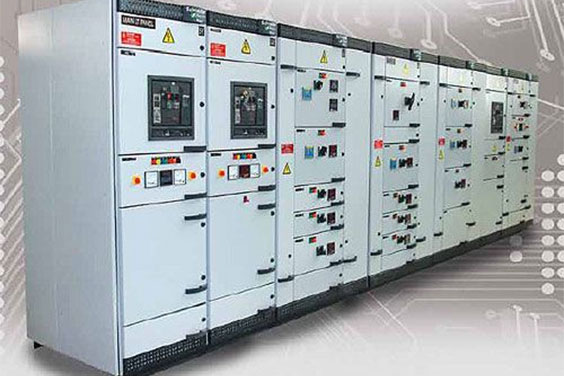
For switchgear, specify rated voltage, continuous current, short-time withstand current, switching duty, and applicable protection functions.
Cable and busbar selections should be coordinated with the same system data. An equipment package may meet its individual catalogue rating but still be unsuitable if it cannot withstand the network’s expected fault conditions.
Check Equipment Compatibility
Industrial equipment must connect correctly both electrically and mechanically. Interface reviews should cover terminal positions, cable sizes, connection types, control voltages, communication requirements, and physical clearances.
Protection coordination deserves particular attention. Circuit breakers, relays, fuses, and transformer protection must operate according to the intended fault-clearing strategy.
If different manufacturers supply the equipment, arrange a technical interface review before orders are finalized. Single-line diagrams, wiring diagrams, general arrangement drawings, and interface schedules can help identify problems early.
Evaluate Manufacturer Capability
A supplier should have the technical and production capability to provide the equipment specified. Review its experience with similar voltage levels, ratings, and industrial applications.
Ask whether design and manufacturing are performed in-house or through subcontractors. If external suppliers are involved, clarify who controls the final design and takes responsibility for product conformity.
Production facilities, engineering resources, testing equipment, quality systems, and delivery capacity should all be considered. For major purchases, a factory audit or independent inspection may be justified.
Verify Standards and Technical Documentation
Electrical gear must meet the standards and regulations applicable to its intended market. Depending on the product, this may involve IEC, IEEE, national regulations, or owner-specific requirements.
Request technical data sheets, drawings, test reports, certificates where required, and installation instructions. Review whether the documents relate to the exact product and configuration being offered.
A supplier should identify deviations clearly. Any alternative component or proposed technical change should be reviewed and approved before it is incorporated into the final equipment.
Consider Site and Environmental Conditions
Industrial sites can expose electrical equipment to heat, dust, moisture, vibration, corrosive substances, and limited ventilation.
The specification should describe the installation environment and required enclosure protection. Indoor and outdoor equipment may need different designs, while installations at altitude or in coastal areas may require additional engineering considerations.
Access for operation, inspection, and maintenance should also be planned. Equipment that fits the electrical rating but cannot be serviced safely may create long-term operational difficulties.
Assess Testing and Quality Control
Testing should be planned before equipment is manufactured. Define the applicable routine tests, any additional project-specific tests, and whether inspections will be witnessed.
Ask how the manufacturer controls incoming materials, assembly, wiring, mechanical operations, and final inspection. Serial-number traceability and documented test results help connect the supplied equipment to its manufacturing records.
Where several components form an integrated system, clarify which functional checks will be completed at the factory and which will take place during site commissioning.
Compare Commercial Offers Fairly
A lower purchase price may exclude important accessories, documentation, testing, packaging, or delivery services. Compare quotations against a common technical schedule and record every deviation.
Consider lead times, warranty coverage, spare-part availability, installation assistance, and the supplier’s response arrangements. Delayed equipment can affect construction schedules and increase project costs.
Lifecycle considerations also matter. Energy losses, maintenance requirements, and expected service conditions can influence total ownership cost.
Plan Logistics and Delivery
Large electrical equipment may require special transport, lifting, and storage arrangements. Confirm package dimensions, weight, handling instructions, shipping protection, and delivery responsibilities.
Check whether the site has suitable unloading equipment and secure storage. Sensitive equipment should be protected from moisture, contamination, and physical damage before installation.
Build a More Reliable Procurement Process
Sourcing electrical gear is most effective when technical, commercial, and project requirements are considered together. A structured procurement process helps ensure that equipment is compatible, documented, tested, and delivered according to the project plan.
By involving engineering teams early, verifying supplier capability, and controlling technical changes, industrial organizations can reduce procurement risks and create a more dependable electrical infrastructure.