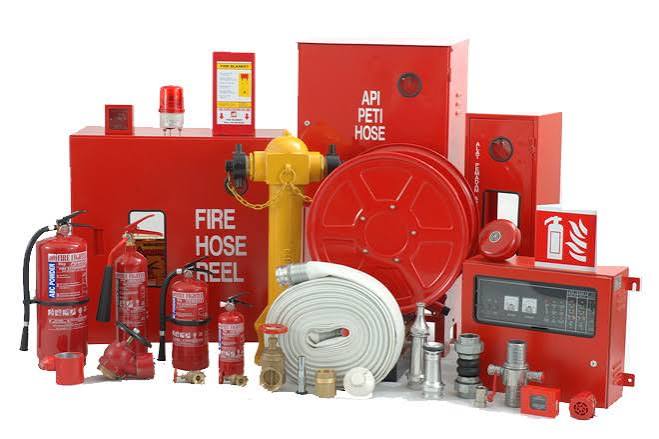
Water delivery at a fireground requires equipment that can direct a substantial flow while remaining manageable for the people operating it. The nozzle is a key part of this arrangement because it shapes the water stream and, on some models, allows the operator to adjust the discharge. Its performance depends on carefully designed internal passages, suitable materials, compatible connections, and the pressure available from the supply. Choosing a nozzle should therefore involve more than comparing its size or external appearance.
A Fire Fighting Nozzle is designed to control and direct the flow delivered through a firefighting hose or branch pipe. Depending on the model, it may produce a straight stream, a spray pattern, or a selection of discharge settings. The correct configuration depends on the operational purpose, water supply, hose arrangement, and applicable equipment standards. It must be selected as part of a complete system so that its flow characteristics and pressure requirements are compatible with connected equipment.
The relationship between nozzle and water flow
A nozzle’s internal geometry influences the way water moves through the outlet. The inlet, internal passage, and discharge opening work together to shape the flow. Differences in diameter and contour can affect the resulting stream, while adjustable components may provide more than one pattern.
The nozzle must be matched to the hydraulic characteristics of the system. Available pressure is affected by the pump, supply line, hose diameter, hose length, elevation, and other connected components. If the nozzle requires conditions that the supply cannot provide, the intended flow may not be achieved. Conversely, operating above the equipment’s limits can create excessive reaction forces or damage.
Stream and spray configurations
A straight or concentrated stream can provide reach and focused water delivery in appropriate circumstances. A spray pattern distributes water over a broader area and may serve different operational needs. Some adjustable models allow users to select between patterns, while fixed-pattern designs provide a predetermined outlet characteristic.
The choice should be guided by the fireground procedure and the nozzle manufacturer’s intended application. A particular pattern should not be assumed suitable for every fire. Water may be inappropriate for certain materials, including some flammable liquids and energized electrical equipment. Responders must follow their training, incident command procedures, and relevant safety guidance.
Flow control and adjustment
Some nozzles include a control mechanism that changes flow or discharge pattern. Such features can help trained operators adapt the outlet to the task, but they also require familiarity and maintenance. Controls should move smoothly, remain clearly identifiable, and hold the intended position.
A nozzle should not be forced through a stiff control range or adjusted with improvised tools. If the mechanism becomes difficult to operate, the component should be inspected and serviced according to manufacturer instructions. Regular checks can help identify wear before it affects use.
Materials and structural strength
Firefighting nozzles may be manufactured from aluminium alloys, brass, stainless steel, engineered plastics, or combinations of materials. Each material offers different characteristics relating to weight, corrosion resistance, impact strength, and environmental suitability.
A lightweight design may be easier to handle, but weight reduction must not compromise pressure capability or durability. The material should withstand the intended operating environment and remain compatible with cleaning methods. Technical specifications and relevant approvals provide a more reliable basis for comparison than appearance alone.
Connection security and ergonomics
The nozzle inlet must fit the hose or branch pipe using the specified coupling, thread, and sealing arrangement. Incompatible fittings can leak or detach when pressurized. Operators should confirm full engagement before the line is put into service.
Grip design and balance also matter. A nozzle should be manageable with the protective equipment used by the intended personnel. Its controls should be accessible without requiring awkward hand positions. Training should cover handling, discharge control, hose reaction forces, and safe operating procedures.
Inspection and care
After use, the nozzle should be cleaned and checked for dirt, deposits, corrosion, cracks, impact damage, blocked passages, and worn seals. Adjustable models require particular attention to moving parts and locking features. The inlet connection should be examined for thread damage and deformation.
Routine servicing should follow the manufacturer’s guidance and applicable standards. Components that are cracked, distorted, or unreliable should be removed from service and assessed by qualified personnel. Altering the outlet or making unapproved repairs can change performance and should be avoided.
Effective control starts with correct specification
A dependable firefighting nozzle balances flow requirements, discharge characteristics, handling, and system compatibility. When selected for a defined application and maintained as part of the complete hose assembly, it supports controlled water delivery. Clear technical specifications and practical operator training help ensure that the equipment performs within its intended limits when needed.