A bathroom fixture used several times each day needs to be selected with long-term performance in mind. In a Muslim home, an ablution basin may receive frequent water exposure and regular cleaning, making durability just as important as appearance. A product that suits the room initially may become inconvenient if its surface is difficult to maintain, its fittings wear quickly, or its dimensions do not accommodate the household. A careful buying decision should therefore balance construction quality with everyday usability.
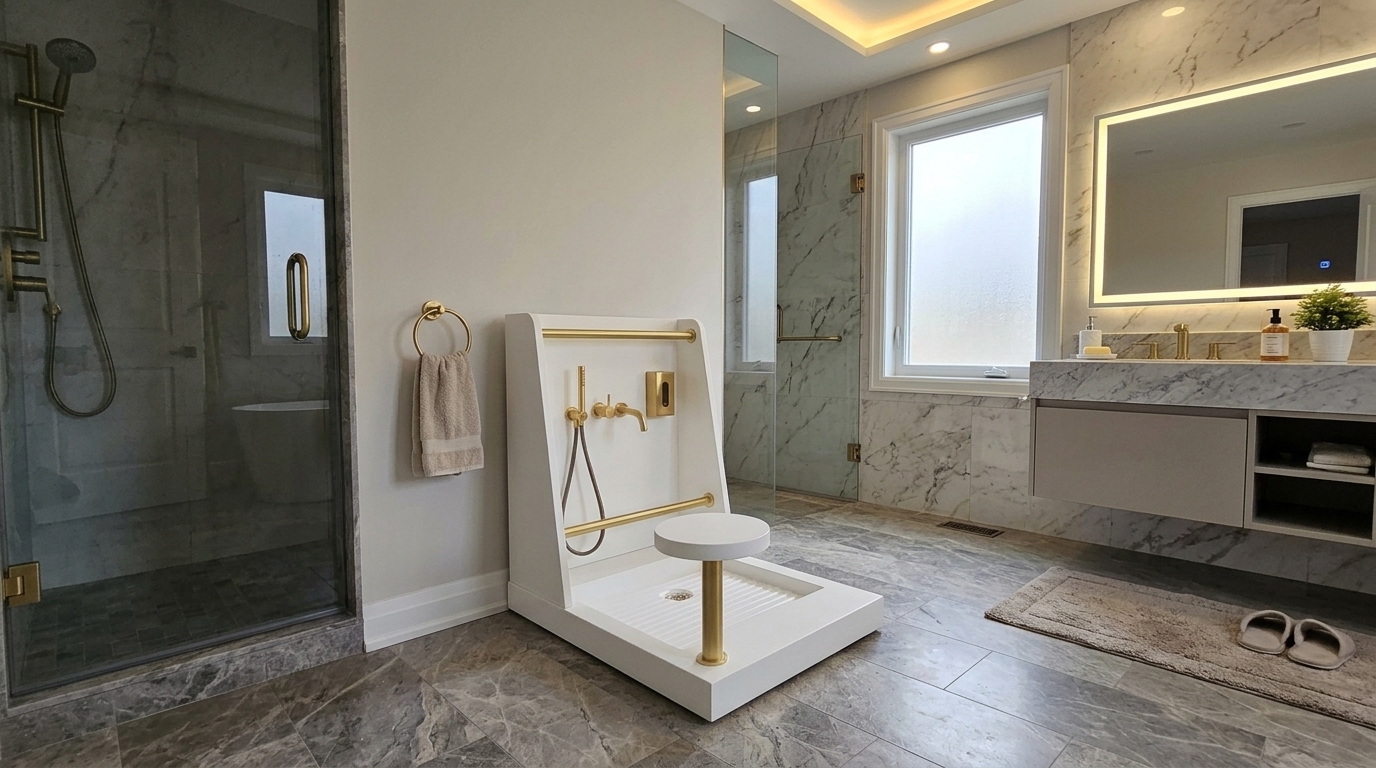
A Wudu basin for Muslim homes is designed to support the washing movements involved in ablution. Depending on its configuration, it may feature a lower washing section, a dedicated foot-washing area, or a basin shaped to provide more room for rinsing. Since these products vary in size, material, and installation method, buyers should compare specifications and assess how each model will perform in the intended bathroom.
Evaluate the Construction Quality
The first step is to understand what the basin is made from and how it has been manufactured. Ceramic and solid-surface products are common options, but material alone does not determine durability. Thickness, surface finish, construction quality, and the manufacturer’s quality controls all influence how a product performs.
Ask the supplier for information about resistance to staining, scratching, and everyday cleaning products. Find out whether minor surface damage can be repaired and whether specialist care is required. A clear warranty and accessible customer support can also provide useful reassurance when purchasing a fixture intended for regular use.
Choose Dimensions That Remain Comfortable
Durability is not enough if the basin is difficult to use. Its height should support the washing movements required by the household, including foot washing where the design is intended for that purpose. A model that is too high may require awkward bending, while one that is too low can make other washing tasks uncomfortable.
Check the bowl’s width, depth, and internal shape. It should provide enough room for rinsing without taking up unnecessary floor area. If the product includes a separate foot-washing section, examine its dimensions and position. Technical drawings can help reveal whether the usable space is suitable.
Inspect Taps and Other Fittings
Taps are operated frequently and should be selected for reliable performance. Check the quality of the controls, the spout reach, and the connection requirements. The water outlet should direct flow into the basin rather than against its edge. If the fixture is supplied without taps, confirm which fittings are compatible before placing an order.
Also review the waste fitting and any supplied mounting hardware. Components should be suitable for the basin and accessible for future maintenance. In a household with children or older users, simple controls may be preferable to complicated fittings.
Plan for Water Exposure and Drainage
A durable basin needs an appropriate installation environment. The waste outlet must connect correctly to the home’s drainage system, and the basin should empty efficiently. Check the outlet dimensions and position against the manufacturer’s installation guide.
The floor and nearby walls should be suitable for regular splashing. Water-resistant materials and properly sealed joints help protect the building, while slip-resistant flooring can reduce the risk of accidents. If the bathroom requires plumbing changes, have a qualified professional assess the proposed installation before work begins.
Consider the Household’s Maintenance Routine
A basin used every day needs regular cleaning, but its finish should not require unnecessarily complicated care. Smooth surfaces are generally easier to wipe down than intricate designs with inaccessible corners. Ask which cleaning products are suitable and whether abrasive tools should be avoided.
Inspect the tap base, drain, and seals periodically. Remove residue before it becomes difficult to clean, and address leaks promptly. Keeping the manufacturer’s maintenance instructions can help family members care for the product consistently.
Check the Fit with the Home
Measure the installation area, including the standing space in front of the basin. Confirm that the fixture will not obstruct a door, shower, or main walkway. Wall-mounted models need suitable structural support, while floor-supported products require compatible floor connections.
The finish should also coordinate with the bathroom’s design. A neutral colour and simple form may blend with existing tiles and fittings, but visual consistency should not take priority over function.
Think Beyond the Initial Price
Compare the total cost of the basin, taps, delivery, plumbing work, waterproofing, installation, and future maintenance. A low-cost product may not offer good value if it requires frequent repairs or difficult cleaning. Review the warranty and availability of replacement components before buying.
Choose for Dependable Everyday Use
A durable and functional basin should combine suitable construction, comfortable dimensions, reliable fittings, and effective drainage. By evaluating these qualities alongside the bathroom layout and household needs, buyers can select a fixture that supports regular ablution and remains practical over the long term.