Landscaping and groundwork involve a wide variety of activities, from preparing planting areas and reshaping terrain to installing drainage systems and constructing outdoor features. These tasks often take place around existing buildings, gardens, pathways, fences, and other structures that require careful handling. Selecting the right equipment can help professionals manage soil movement while maintaining the condition of the surrounding property.
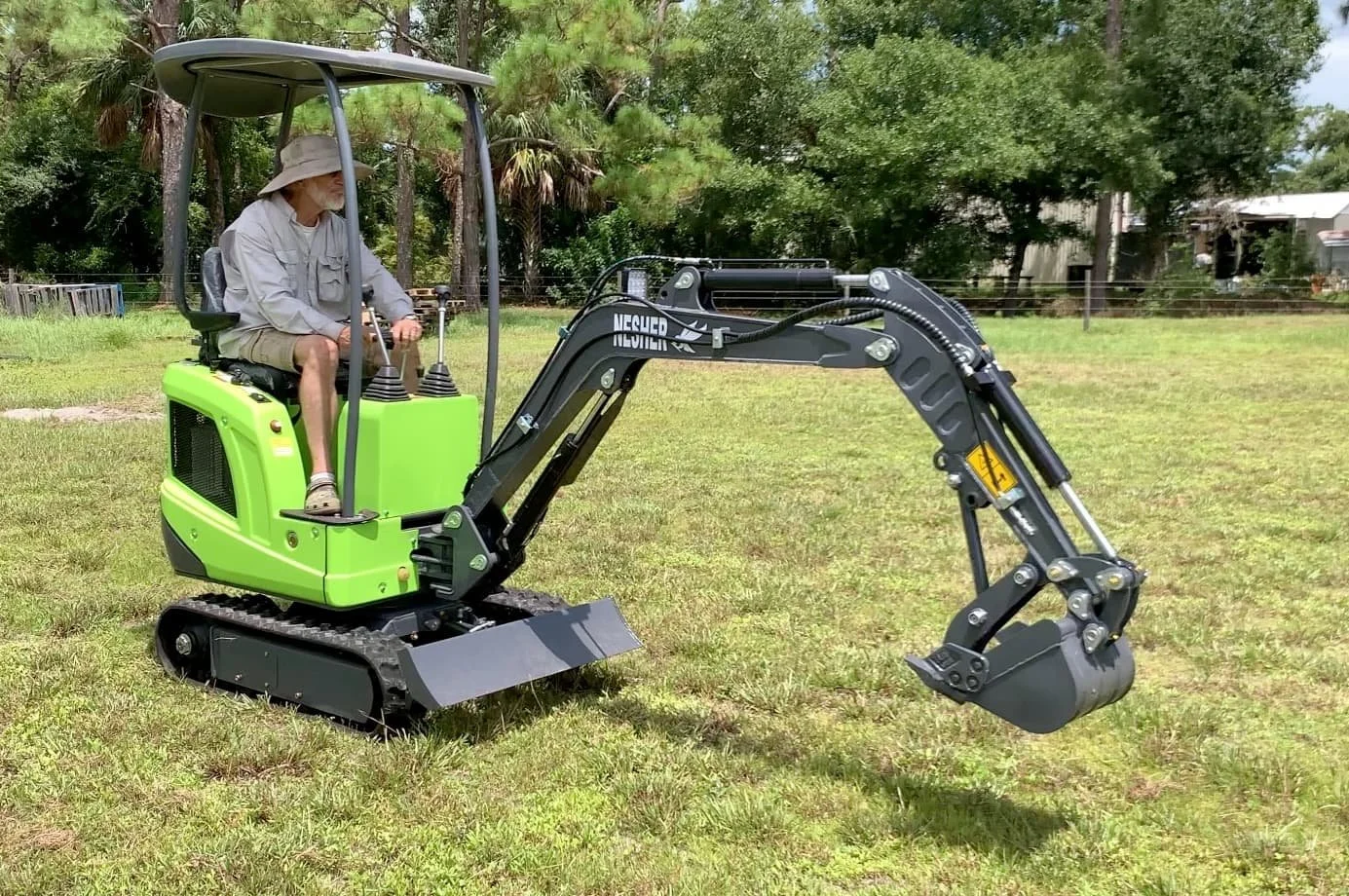
An electric mini excavator can be a useful option for landscaping businesses and groundwork contractors when its size, digging capacity, and operating characteristics match the project. Its compact design may help with access to smaller working areas, while electric power can offer additional advantages on selected sites. Examining its applications provides a clearer understanding of where this equipment may be beneficial.
Preparing Land for Landscaping Projects
Before a landscape design can be implemented, the site may require substantial preparation. Contractors often need to remove unwanted soil, establish levels, create planting beds, excavate selected areas, or prepare the ground for new outdoor structures.
Mini excavators can support these activities by moving soil and completing excavation tasks in locations where larger equipment may be difficult to position. Their ability to work within relatively compact spaces can be valuable when landscaping residential properties, courtyards, commercial gardens, or smaller outdoor developments.
The machine’s bucket size, reach, digging depth, and operating weight should be matched to the preparation work. A suitable configuration may help contractors organize excavation without disturbing more of the site than necessary.
Creating Planting Areas and Garden Features
Landscape installations frequently involve preparing ground for trees, shrubs, flower beds, and decorative features. Some projects require excavation for planting pits, while others involve reshaping soil to create raised areas, pathways, or defined garden zones.
Compact excavation equipment may help reduce the amount of manual digging required for these activities. Operators can remove soil in a controlled manner and work around existing landscape features, provided the machine has sufficient space and visibility.
Care is necessary when working near established trees, irrigation systems, or buried services. Root protection requirements and site-specific environmental considerations should be assessed before excavation begins.
Supporting Drainage and Groundwork
Drainage installation is another common landscaping and groundwork application. Contractors may need to create channels, prepare pipe trenches, install drainage components, or adjust surface levels to help manage water movement.
A mini excavator can assist with trench excavation when its digging range and bucket configuration are appropriate. Its compact dimensions may be useful in gardens or properties where access is limited. The operator must still follow the project’s drainage design, trench safety requirements, and utility-location procedures.
Ground preparation can also include removing material, creating foundation areas for small outdoor structures, and shaping the land around patios or retaining features. The machine’s suitability depends on the depth, soil type, and amount of material involved.
Working Around Existing Properties
Landscaping often takes place after buildings, driveways, pathways, and other features have already been completed. This means equipment must be used carefully to avoid damaging finished surfaces or disturbing property elements.
Electric machinery may be attractive for certain residential or commercial projects where exhaust emissions and engine noise are important considerations. It can offer reduced engine-related noise compared with some conventional machines, although tracks, hydraulic activity, digging, and attachments still generate sound.
Contractors should establish protected travel routes, assess ground bearing conditions, and determine whether mats are needed to protect lawns, paving, or other surfaces.
Managing Attachments and Equipment Versatility
The versatility of an excavator can be influenced by the attachments available for it. Different bucket widths may help with trenching, general excavation, or material handling, while compatible tools may support other groundwork activities.
Before selecting attachments, landscaping businesses should check mounting arrangements, hydraulic requirements, weight limitations, and manufacturer-approved combinations. Attachment changes should be planned so that equipment can be used safely and efficiently.
Businesses that perform a range of landscape projects may benefit from identifying their most common tasks and choosing a machine configuration that addresses those applications without unnecessary complexity.
Organizing Work Efficiently
Landscaping productivity depends on more than excavation speed. Workers must coordinate soil removal, material deliveries, planting, installation, finishing, and site cleanup. Equipment positioning and the location of soil piles can influence how easily other tasks are completed.
A compact excavator may help reduce manual effort on appropriate tasks, but effective planning remains essential. Operators should know where excavated material will be placed, how the machine will move, and which areas need to remain accessible.
Electric models also require planning for battery usage and charging. Contractors should consider the length of the workday, expected workload, and available charging facilities when scheduling machine use.
Conclusion
Landscaping and groundwork require equipment capable of adapting to changing site conditions and diverse tasks. Electric mini excavators may support land preparation, planting-area excavation, drainage work, soil shaping, and outdoor construction when selected according to project requirements. By considering access, attachments, ground protection, digging capability, and charging arrangements, landscaping professionals can determine how compact electric excavation equipment fits into their work.