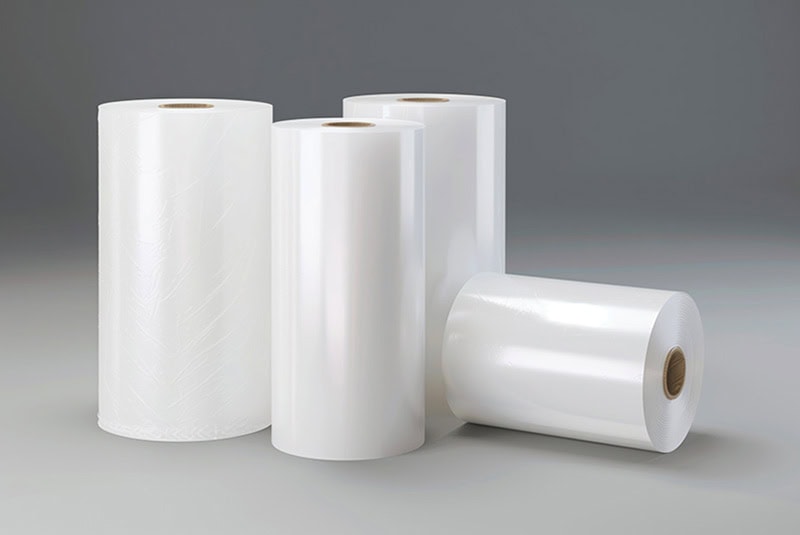
Biaxially Oriented Polypropylene (BOPP) film is a widely used material in the flexible packaging industry, valued for its strength, clarity, and versatility. It plays an essential role in applications such as lamination and heat sealing, where durability, visual appeal, and functional performance are equally important. Its lightweight structure and excellent barrier properties make it suitable for a wide range of packaging formats.
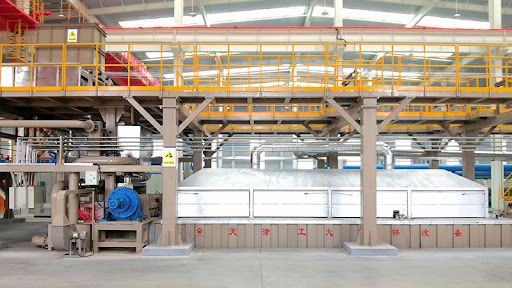
In this specialized segment of the packaging industry, BOPP film manufacturers play a key role in delivering films engineered specifically for lamination and heat-sealing performance. Their production processes are designed to ensure consistent surface quality, thermal stability, and strong bonding characteristics required in modern packaging systems.
Table of Contents
ToggleImportance of BOPP Film in Lamination Applications
Lamination is a critical process in packaging where multiple layers of material are combined to enhance strength, appearance, and protection. BOPP film is widely used as a lamination layer due to its clarity and mechanical stability.
It helps improve packaging durability while also enhancing print quality and resistance to environmental factors such as moisture and abrasion. This makes it a preferred choice in food packaging, labels, and high-end printed materials.
Role of BOPP Film in Heat-Sealing Applications
Heat sealing is essential in flexible packaging, especially for food and consumer goods. It ensures secure closure, product safety, and extended shelf life. Heat-sealable BOPP films are engineered to bond under controlled temperature conditions without compromising film integrity.
These films are commonly used in:
- Snack food packaging
- Confectionery wrappers
- Pharmaceutical sachets
- Resealable pouches and bags
Their ability to form strong seals improves packaging efficiency and product protection.
Manufacturing Considerations for Lamination-Grade BOPP Film
Producing BOPP film for lamination requires precise control over material properties and surface characteristics. Even small variations can affect adhesion quality and final packaging performance.
Key manufacturing factors include:
Surface Treatment
Corona or plasma treatment is applied to increase surface energy, ensuring strong bonding with inks, adhesives, and other film layers.
Thickness Uniformity
Consistent thickness is essential for smooth lamination and reliable mechanical strength across the entire film surface.
Optical Properties
High clarity and gloss are important for maintaining visual appeal in printed laminated packaging.
Thermal Stability
The film must withstand heat during lamination without deformation or loss of structural integrity.
Heat-Sealing Performance Characteristics
BOPP film used in heat-sealing applications is engineered to provide reliable sealing strength under controlled conditions. This is achieved through specialized co-extrusion layers or coatings that enhance thermal bonding.
Important performance characteristics include:
- Strong seal integrity at low and medium temperatures
- Resistance to seal failure during storage or transport
- Compatibility with high-speed packaging machines
- Consistent sealing performance across production batches
These properties are essential for maintaining product safety and packaging reliability.
Role of BOPP Film Manufacturers in Application-Specific Development
Different packaging applications require customized film properties. This is where BOPP film manufacturers play an important role in developing specialized solutions for lamination and heat sealing.
Their responsibilities include:
- Engineering films with optimized sealing layers
- Enhancing surface properties for better adhesion
- Developing multi-purpose films for combined lamination and sealing use
- Ensuring compatibility with modern packaging machinery
Through continuous innovation, manufacturers help meet evolving industry requirements.
Industrial Applications of Laminated and Heat-Sealed BOPP Films
BOPP film is used across multiple industries where lamination and heat sealing are essential for packaging performance.
Common applications include:
- Food packaging for snacks, bakery items, and frozen foods
- Label lamination for bottles and containers
- Retail packaging requiring high-quality print finishes
- Pharmaceutical packaging for secure sealing and protection
- Industrial wrapping for product preservation and transport
Its versatility makes it suitable for both high-end and mass-market packaging solutions.
Advantages of Using BOPP Film in These Applications
BOPP film offers several advantages that make it ideal for lamination and heat sealing:
- Excellent mechanical strength for durable packaging
- High clarity for attractive product presentation
- Good moisture resistance for extended shelf life
- Strong adhesion compatibility for multilayer structures
- Lightweight design for reduced material usage
These benefits contribute to both performance efficiency and cost-effectiveness.
Conclusion
BOPP film has become a vital material in lamination and heat-sealing applications due to its strength, clarity, and adaptability. It enhances packaging performance while supporting efficient production processes across multiple industries.
As demand for high-performance flexible packaging continues to grow, BOPP film manufacturers remain essential in developing advanced film solutions. Their focus on precision engineering and application-specific innovation ensures reliable performance in both lamination and heat-sealing systems worldwide.