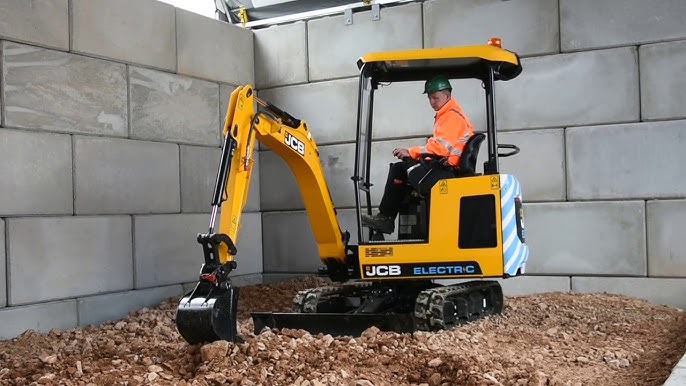
Electric mini excavators are becoming a key part of modern construction due to their efficiency, compact design, and reduced environmental impact. As more contractors shift toward electric machinery, productivity has become one of the most important evaluation criteria. Understanding what truly affects productivity helps buyers make better decisions and maximize job site performance.
When searching for an electric mini excavator for sale, it is important to look beyond basic specifications and focus on how different performance factors influence real-world efficiency. Productivity is not determined by a single feature but by a combination of machine capabilities, energy management, and operational conditions.
Table of Contents
ToggleUnderstanding Productivity in Electric Mini Excavators
Productivity in electric mini excavators refers to how much work the machine can complete within a given timeframe while maintaining efficiency. This includes digging speed, cycle time, battery usage, and operator effectiveness.
Unlike traditional diesel machines, electric models rely on battery power and electric motor efficiency, which means energy management plays a central role in overall productivity.
Battery Efficiency and Work Output
Battery performance is one of the most critical factors affecting productivity. A higher-capacity battery allows longer operation without interruption, reducing downtime caused by recharging.
However, efficiency is just as important as capacity. Machines with optimized energy systems can deliver more work per charge, improving overall productivity even with moderate battery sizes.
Hydraulic System Performance
The hydraulic system directly controls digging force, lifting capacity, and movement speed. A well-designed hydraulic system ensures smooth and consistent operation throughout the working cycle.
If the system is inefficient, energy is wasted, and productivity decreases. High-performance electric mini excavators maintain stable hydraulic pressure even under heavy loads, ensuring consistent output.
Cycle Time and Operational Speed
Cycle time refers to how quickly the machine can complete repetitive tasks such as digging, lifting, and dumping material. Shorter cycle times result in higher productivity.
Electric mini excavators with responsive controls and efficient hydraulics can significantly reduce cycle time, allowing operators to complete more work in less time.
Machine Size and Job Site Efficiency
Compact design plays a major role in productivity, especially in urban and confined job sites. Smaller machines can access tight areas without requiring extensive site preparation.
This reduces delays and allows work to begin faster, improving overall project efficiency.
Operator Skill and Control Precision
Even with advanced machinery, operator skill significantly impacts productivity. Smooth control inputs, efficient digging techniques, and proper machine handling can greatly improve output.
Electric mini excavators often feature precise control systems that make it easier for operators to perform accurate and efficient movements.
Charging Time and Downtime Management
Charging time directly affects productivity, especially on continuous job sites. Long charging periods can interrupt workflow if not properly managed.
Many contractors schedule charging during breaks, shift changes, or overnight periods to minimize downtime and maintain consistent productivity levels.
Attachment Versatility and Flexibility
Attachments such as buckets, augers, and breakers expand the functionality of electric mini excavators. The ability to switch attachments quickly increases job site flexibility and reduces the need for multiple machines.
This versatility improves productivity by allowing one machine to perform multiple tasks efficiently.
Terrain and Environmental Conditions
Job site conditions also play a significant role in productivity. Soft soil allows faster digging, while rocky or compact ground slows progress and increases energy consumption.
Electric mini excavators perform best when operators adjust techniques according to terrain conditions to optimize efficiency.
Maintenance and Equipment Reliability
Frequent breakdowns or maintenance issues can significantly reduce productivity. Electric mini excavators have fewer moving parts compared to diesel machines, which often results in higher reliability.
Reduced maintenance needs mean more uptime and consistent performance across projects.
Noise and Work Environment Efficiency
Lower noise levels improve communication on job sites and reduce operator fatigue. This indirectly contributes to higher productivity by creating a more comfortable working environment.
Quiet operation also allows work in restricted hours, increasing available working time.
Choosing the Right Model for Maximum Productivity
Selecting the right machine depends on project type, workload, and operational environment. Contractors should evaluate:
- Battery capacity and runtime
- Hydraulic efficiency and force output
- Machine size and maneuverability
- Charging infrastructure availability
- Attachment compatibility
A balanced combination of these factors ensures maximum productivity in real-world applications.
Conclusion
Productivity in electric mini excavators depends on multiple interconnected factors, including battery efficiency, hydraulic performance, cycle time, and operator skill. Understanding these elements helps buyers choose the right machine for their needs and ensures better performance on the job site. When selecting an electric mini excavator for sale, focusing on productivity factors leads to improved efficiency, reduced downtime, and stronger long-term value for construction projects.