How to Choose the Best Small Basin for Bathroom Spaces
Choosing the right basin for a compact bathroom requires careful consideration of size, design, functionality, and installation requirements. A well-selected basin can make a small space feel more open while providing enough room for everyday washing and personal hygiene. The key is to find a balance between practical use and a design that complements the overall bathroom layout.
When comparing different options, consider how much wall space is available, where the plumbing is located, and how frequently the basin will be used. Exploring a suitable Small Basin for Bathroom option can help you understand the styles and dimensions available for compact interiors. Taking accurate measurements before purchasing also helps prevent installation problems and ensures comfortable access.
1. Measure Your Available Bathroom Space
Before selecting a basin, measure the width and depth of the area where it will be installed. In a small bathroom, even a few inches can affect movement around the toilet, shower, or bathroom door.
Consider the basin’s projection from the wall, especially if the room has a narrow walkway. A compact model with a shallow depth may provide sufficient washing space without obstructing movement.
Remember to account for taps, pipe connections, and any nearby cabinets or shelves. These details can influence the amount of usable space available after installation.
2. Choose the Right Basin Style
Different basin designs offer distinct advantages, depending on the bathroom layout and the available installation space.
Wall-Mounted Basins
Wall-mounted basins are popular in compact bathrooms because they leave the floor beneath them open. This creates a more spacious appearance and makes cleaning easier.
They are particularly useful in small guest bathrooms and toilets where storage is less important than maintaining clear floor space. However, the wall must provide adequate support for the basin and its fittings.
Corner Basins
Corner basins fit into an unused corner, making them suitable for narrow toilets or irregularly shaped bathrooms. Their placement can free up valuable wall space for other fixtures.
Before choosing this design, check whether the corner position allows comfortable access to the tap and enough clearance for handwashing.
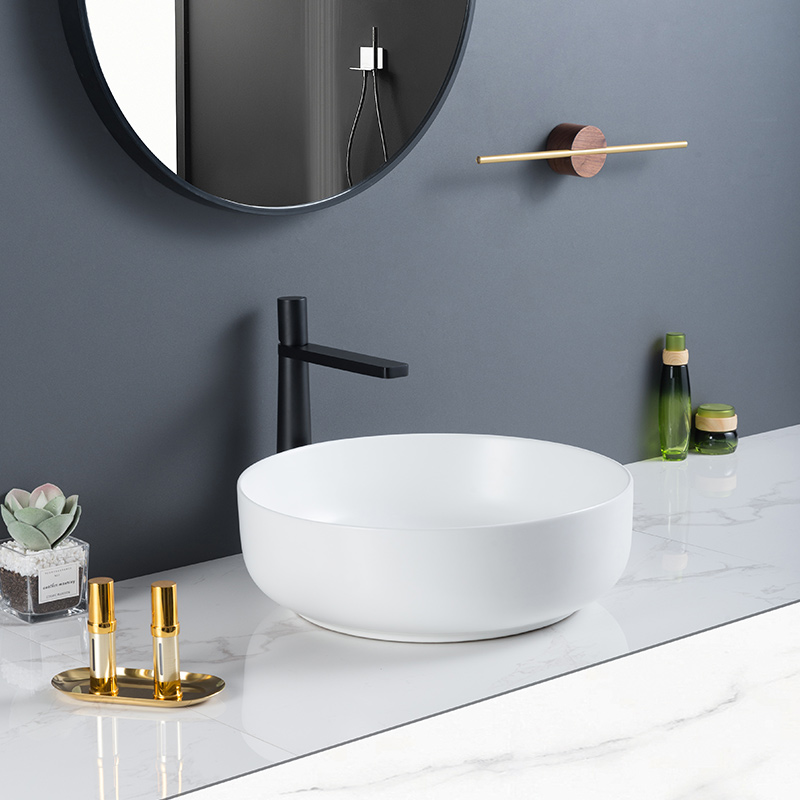
Countertop Basins
Countertop basins sit on a vanity or counter and can introduce a contemporary look to a bathroom. They may also provide storage underneath, depending on the vanity design.
However, the combined height of the counter and basin should be comfortable for daily use. A large countertop model may occupy too much space in an exceptionally small room.
Pedestal Basins
Pedestal basins conceal plumbing behind a supporting column and offer a traditional, finished appearance. Compact versions can work well in bathrooms where exposed pipes would otherwise affect the overall look.
Their main limitation is the reduced storage space around the basin. Measure the pedestal’s footprint carefully before making a decision.
3. Select a Practical Basin Size
The smallest basin is not necessarily the best choice. If the bowl is too narrow or shallow, water may splash onto the surrounding floor and walls, making daily use inconvenient.
Look for a design that accommodates normal handwashing while preserving enough clearance around other fixtures. The ideal dimensions depend on the available space, the basin’s shape, and the intended use.
When comparing models, pay attention to these measurements:
- Width: Determines how much horizontal space the basin occupies.
- Depth: Affects the amount of room available for washing and the basin’s projection into the bathroom.
- Bowl depth: Influences water containment and the likelihood of splashing.
- Installation height: Helps ensure comfortable use by different household members.
Whenever possible, review the manufacturer’s installation drawings rather than relying solely on product photographs.
4. Consider the Material and Durability
The material affects a basin’s appearance, maintenance requirements, durability, and overall cost. Choosing an appropriate material helps ensure the fixture remains practical over time.
Ceramic and porcelain basins are common choices because they have smooth, nonporous surfaces that are relatively easy to clean. They are available in many shapes and finishes, making them suitable for a wide range of bathroom styles.
Solid-surface materials can offer a seamless, contemporary appearance and may allow for distinctive shapes. Their maintenance requirements depend on the specific material and finish, so check the manufacturer’s care instructions.
When evaluating any basin, examine the surface quality, resistance to everyday wear, cleaning recommendations, and availability of compatible replacement fittings.
5. Match the Basin to Your Bathroom Layout
A compact basin should complement the positions of the toilet, shower, door, and storage units. Poor placement can make a small bathroom feel cramped, even when every fixture is relatively small.
For example, a wall-mounted basin may be suitable for a narrow guest toilet, while a corner basin can work better in an awkwardly shaped room. A compact vanity basin may be more appropriate when additional storage is necessary.
Also consider the door’s opening direction and the space needed to stand comfortably in front of the basin. Maintaining a clear approach makes the room easier to use.
6. Evaluate Plumbing and Installation Requirements
Before purchasing a basin, check whether its plumbing connections match the existing bathroom setup. Drain position, water supply locations, tap holes, and mounting arrangements can all affect installation costs.
Some wall-mounted models require additional wall reinforcement, while countertop designs may need a suitable vanity or supporting surface. If you are replacing an existing basin, confirm whether the new model can use the current plumbing connections.
Professional installation is worth considering when changes to water supply lines, drainage, or wall structures are necessary. Planning these details in advance can help prevent unexpected expenses.
7. Choose a Design That Complements the Interior
A small basin can contribute to the overall appearance of a bathroom without overwhelming the space. Simple shapes, clean edges, and neutral colors often work well in compact interiors.
White remains a versatile option because it pairs easily with different tile colors, wall finishes, and bathroom accessories. Other finishes can also work effectively when they coordinate with the taps, mirrors, and surrounding fixtures.
For a cohesive result, consider the basin as part of the complete bathroom design rather than choosing it in isolation. Consistent finishes and appropriately scaled accessories can make the room feel more organized.
8. Compare Price, Quality, and Maintenance
Price is an important consideration, but the cheapest basin may not provide the best long-term value. Compare construction quality, finish, installation requirements, warranty coverage, and the availability of compatible accessories.
It is also useful to understand the cleaning products recommended for the basin’s material. Abrasive cleaners can damage certain finishes, while unsuitable chemicals may affect surface appearance over time.
Before making a final purchase, review the product specifications and confirm exactly what is included, such as mounting brackets, waste fittings, or taps. These details help you compare the total cost of different options accurately.
Common Mistakes to Avoid When Choosing a Small Basin
Several common mistakes can reduce the practicality of a compact bathroom installation.
- Choosing a basin based on appearance alone: An attractive design may still be uncomfortable to use if the bowl is too small.
- Ignoring the projection from the wall: A basin that extends too far can obstruct movement in a narrow room.
- Overlooking tap compatibility: Incorrect tap-hole arrangements or unsuitable fittings can increase installation costs.
- Forgetting storage requirements: A wall-mounted basin may save floor space but provide no built-in storage.
- Skipping installation measurements: Incorrect dimensions can lead to plumbing adjustments or fitting difficulties.
- Neglecting maintenance needs: Some finishes require more careful cleaning than others.
Avoiding these issues helps ensure the selected basin meets both practical and aesthetic requirements.
Conclusion
Choosing the best small basin for a bathroom involves more than finding a compact design. Measurements, basin style, material, plumbing compatibility, and ease of maintenance all contribute to a successful installation.
Start by assessing the available space and identifying your main priorities, whether they are improved movement, additional storage, or a contemporary appearance. Then compare dimensions, installation requirements, and material quality before making a purchase.
With careful planning, a compact basin can provide comfortable everyday functionality while helping a small bathroom remain open, organized, and visually appealing.