How to Choose the Right Electric Skid Steer Loader for Your Project
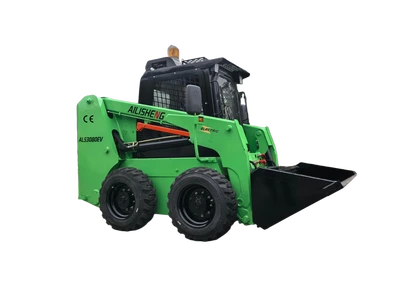
Choosing the right construction equipment can significantly affect project productivity, operating expenses, and workplace safety. For contractors, landscapers, and industrial operators, selecting a machine that matches the demands of the job is essential. Electric skid steer loaders are becoming an alternative to traditional fuel-powered equipment, particularly for projects that require compact machinery, lower operating noise, and reduced local emissions.
However, not every machine is suitable for every application. Before investing in an Electric Skid Steer Loader, it is important to evaluate factors such as lifting capacity, battery runtime, charging requirements, working conditions, and attachment compatibility. Understanding these considerations can help you choose equipment that delivers reliable performance throughout your project.
1. Identify Your Project Requirements
The first step is to understand the tasks the machine will perform. Different projects have different requirements, and selecting equipment based on the actual workload helps prevent unnecessary expenses or performance limitations.
For example, a landscaping project may require moving soil, spreading gravel, and transporting mulch. A construction site may need a loader for debris removal, material handling, and site preparation. Indoor industrial applications may place greater emphasis on machine dimensions, maneuverability, and noise levels.
Before comparing models, consider the following questions:
- What materials will the machine handle?
- How many hours will it operate each day?
- Will it work indoors, outdoors, or in both environments?
- Does the project involve rough terrain, narrow passages, or confined spaces?
- Which attachments are necessary for daily operations?
Clear answers will help you narrow your options and focus on machines suited to your working conditions.
2. Check the Rated Operating Capacity
Lifting capacity is one of the most important specifications to evaluate when selecting a skid steer loader. The rated operating capacity indicates how much weight a machine can safely handle under specified conditions.
Choosing a machine with insufficient capacity can reduce productivity and create safety risks. On the other hand, purchasing a model that is much larger than necessary may increase acquisition and operating costs.
Review the rated operating capacity alongside the tipping load, lift height, breakout force, and load distribution requirements. Remember that attachment weight also affects the load available for handling materials.
Select a machine that can manage your typical workload while maintaining an appropriate safety margin. Always follow the manufacturer’s load limits and operating instructions.
3. Evaluate Battery Capacity and Operating Time
Battery performance is a defining consideration when choosing an electric skid steer loader. The battery determines how much energy the machine can store, while actual operating time depends on the workload and operating environment.
Machines used for light material handling may consume less energy than those performing continuous lifting, digging, or demanding hydraulic work. Rough terrain, frequent acceleration, and heavy attachments can also affect energy consumption.
When comparing models, examine:
- Battery capacity and chemistry
- Expected operating hours per charge
- Energy consumption under realistic working conditions
- Charging time and compatible charging equipment
- Battery warranty and replacement arrangements
Ask manufacturers or suppliers for operating data that reflects your intended application. This is more useful than relying exclusively on an estimated maximum runtime.
4. Understand Your Charging Requirements
A suitable charging arrangement is essential for keeping electric equipment productive. Even a capable machine may cause delays if it cannot recharge within the available work schedule.
Start by checking the required voltage, charging power, connector type, and estimated charging duration. Then assess whether your construction site has an appropriate electrical supply.
For projects with regular working hours, overnight charging may be sufficient. Sites with longer shifts may require opportunity charging during breaks, additional charging equipment, or a second machine to maintain productivity.
If the equipment will move between different locations, consider whether charging facilities are available at each site. Planning this in advance can prevent interruptions and unexpected infrastructure expenses.
5. Consider Machine Size and Maneuverability
Skid steer loaders are valued for their compact design and ability to operate in restricted spaces. Nevertheless, dimensions vary between models, so it is important to confirm that the selected machine can access the work area.
Measure doorways, gates, aisles, ramps, and other access points before making a purchase. Pay attention to the machine’s overall width, height, operating weight, and turning requirements.
You should also consider whether a wheeled or tracked configuration is more suitable. Wheeled models may work well on firm, relatively even surfaces, while tracked machines can provide advantages on certain soft or uneven terrains. Actual performance depends on the ground conditions and machine design.
Selecting the correct configuration helps improve maneuverability, reduce unnecessary surface damage, and maintain efficient material handling.
6. Compare Hydraulic Performance and Attachments
A skid steer loader becomes more versatile when it can operate different attachments. However, compatibility should be confirmed before purchasing the machine.
Common attachments include:
- General-purpose buckets for moving soil, gravel, and debris
- Pallet forks for handling suitable palletized materials
- Augers for drilling holes
- Trenchers for selected trenching applications
- Grapples for handling irregular materials
- Sweepers for cleaning work areas
Each attachment has specific requirements. Check the loader’s hydraulic flow, hydraulic pressure, mounting system, and any necessary electrical connections.
High-demand attachments may require greater hydraulic performance than standard tools. Matching the attachment to the machine prevents compatibility problems and helps maintain efficient operation.
7. Assess the Working Environment
The conditions at your project site should influence the type of electric skid steer you choose. Factors such as temperature, terrain, dust, moisture, ventilation, and available space can affect performance and equipment life.
Indoor Applications
Electric skid steers can be suitable for warehouses, factories, building renovations, and other indoor environments because they produce no exhaust emissions at the point of use during normal electric operation. Their generally lower noise levels can also be beneficial in occupied facilities.
Even so, operators must follow the manufacturer’s ventilation, charging, and safety requirements. Floor load limits, overhead clearance, and turning space should also be evaluated.
Outdoor Construction Sites
Outdoor applications require careful consideration of terrain, weather, and charging access. Confirm that the machine is designed for the expected environmental conditions and that its battery and electrical systems can operate within the specified temperature range.
If the project involves long distances, steep slopes, or heavy continuous workloads, assess how these conditions may affect battery consumption and operating time.
8. Compare Electric and Diesel Models
Electric and diesel skid steers can both handle demanding work, but their operating characteristics differ.
| Factor | Electric Model | Diesel Model |
|---|---|---|
| Energy source | Rechargeable battery | Diesel fuel |
| Local exhaust emissions | None during battery-powered operation | Produces exhaust emissions |
| Operating noise | Generally lower | Generally higher |
| Routine maintenance | No conventional combustion-engine servicing | Requires engine-related maintenance |
| Energy replenishment | Requires suitable charging time | Usually refuels quickly |
| Best-fit conditions | Sites with suitable charging access and suitable duty cycles | Applications requiring rapid refueling or remote operation |
Neither power source is automatically the better choice. An electric model may be more attractive for indoor work, predictable operating schedules, and locations where lower noise is important. Diesel equipment may be preferable where charging access is limited or uninterrupted operation is essential.
Compare machines with similar capabilities and evaluate their total cost of ownership rather than focusing only on their purchase prices.
9. Calculate the Total Cost of Ownership
The initial purchase price represents only one part of the cost of operating a skid steer loader. A thorough financial assessment should include expenses throughout the machine’s expected service life.
Important costs include:
- Initial purchase or financing expenses
- Electricity consumption and charging losses
- Routine maintenance and replacement parts
- Battery warranty coverage and potential replacement
- Charging equipment and electrical installation
- Operator training and downtime
- Insurance, transportation, and resale value
For example, an electric model with a higher initial price may offer lower energy costs under suitable operating conditions. However, those savings can be reduced if the machine requires expensive infrastructure or cannot meet the project’s runtime requirements.
Estimate annual operating hours and calculate expected energy and maintenance costs for each model. Comparing several years of ownership provides a more realistic basis for making a decision.
10. Check Safety Features and Operator Comfort
Safety should be a priority when choosing construction equipment. A suitable skid steer loader should provide the protective features, controls, and visibility required for its intended application.
Depending on the model, useful features may include operator-presence systems, seat belts, protective structures, warning indicators, clear displays, and emergency shutdown controls.
Evaluate the operator’s seating position, visibility, control layout, and ease of entering and exiting the machine. Comfortable controls can help reduce fatigue during extended working periods.
Operators should receive appropriate training and follow all manufacturer instructions. They must also understand load limits, attachment procedures, stability risks, and charging safety requirements.
11. Evaluate Supplier Support and Warranty Coverage
Reliable supplier support can influence the long-term performance of your equipment. Before making a purchase, investigate the availability of spare parts, qualified technicians, diagnostic services, and maintenance guidance.
Battery warranty terms deserve particular attention because battery condition directly affects operating time and equipment value. Review the warranty duration, coverage limitations, service requirements, and conditions that may exclude particular types of damage.
It is also useful to ask about technical documentation, operator training, delivery arrangements, and expected parts availability. A machine with suitable specifications and dependable support may provide better long-term value than a less expensive alternative with limited service resources.
12. Create a Practical Equipment Selection Checklist
Before finalizing your decision, compare your shortlisted machines against the actual needs of the project.
Use the following checklist to organize your evaluation:
- Confirm the rated operating capacity and required lift height.
- Verify that the battery can support the expected daily workload.
- Check charging access, charging time, and electrical requirements.
- Measure site entrances, working areas, and transport clearances.
- Confirm attachment compatibility and hydraulic performance.
- Review terrain suitability and environmental operating limits.
- Compare purchase price, energy costs, maintenance, and battery expenses.
- Examine warranty terms and after-sales service availability.
- Confirm operator safety features and training requirements.
A structured comparison makes it easier to identify which machine offers the best balance of performance, cost, and practicality.
Frequently Asked Questions
What size electric skid steer loader should I choose?
The right size depends on the materials you handle, the required lifting capacity, available workspace, and attachment requirements. Evaluate rated operating capacity, overall dimensions, and lift height before selecting a model.
How long should the battery last during a workday?
Operating time varies by battery capacity, workload, terrain, temperature, and hydraulic demand. Review manufacturer specifications and request practical operating data for applications similar to yours.
Is an electric skid steer suitable for heavy construction work?
Some electric models are designed for demanding material-handling and construction tasks. Their suitability depends on rated capacity, hydraulic performance, battery endurance, and the intensity of the application.
Should I buy or rent an electric skid steer loader?
Renting may be practical for short-term projects or occasional use because it reduces the need for a large upfront investment. Purchasing may make more sense when the machine will be used regularly over several years. Compare rental charges, expected utilization, maintenance responsibilities, and total ownership costs.
What is the most important factor when selecting an electric skid steer?
There is no single factor that applies to every project. However, matching lifting capacity, battery runtime, charging arrangements, and machine dimensions to the intended workload provides a strong starting point.
Conclusion
Choosing the right electric skid steer loader requires a clear understanding of project demands, machine capabilities, and operating conditions. Battery performance, lifting capacity, maneuverability, attachment compatibility, and charging infrastructure all influence how effectively the equipment will perform.
It is equally important to consider safety, warranty coverage, maintenance requirements, and long-term ownership expenses. By comparing these factors carefully, construction companies can select a machine that supports productivity, meets site requirements, and delivers practical value throughout its working life.