In luxury retail environments, the way products are presented is just as important as the products themselves. For watches, which are often associated with precision engineering, craftsmanship, and prestige, the display environment must reflect those same qualities. Materials and finishes used in showcases play a major role in shaping customer perception and brand identity.
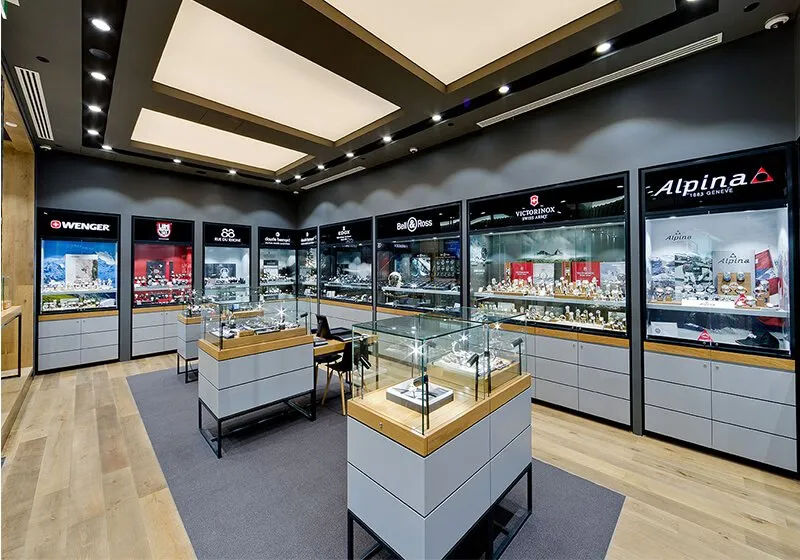
A premium Watch Showcase is carefully constructed to balance aesthetics, durability, and functionality. A well-designed Watch Showcase uses high-quality materials and refined finishes to enhance product visibility while reinforcing the luxury appeal of the timepieces inside.
Table of Contents
ToggleGlass: The Foundation of Modern Watch Displays
Glass is one of the most essential materials used in high-end watch showcases. It provides clarity, protection, and a seamless viewing experience that allows customers to focus entirely on the product.
Common types of glass used include:
- Tempered glass for strength and safety
- Anti-reflective glass to reduce glare
- Ultra-clear glass for maximum visibility
- Laminated glass for added security
Glass showcases create an open and transparent feel while maintaining protection, making them ideal for luxury retail environments.
Wood Finishes for Warmth and Elegance
Wood remains a popular material in premium showcase design due to its natural texture and timeless appeal. It adds warmth and sophistication to retail spaces, balancing the sleekness of glass and metal.
Common wood finishes include:
- Matte walnut for a rich, classic look
- Oak for a natural and versatile aesthetic
- Dark-stained finishes for luxury branding
- Veneered surfaces for a refined, polished appearance
Wood is often used in combination with other materials to create a balanced and inviting display environment.
Metal Accents for a Modern Luxury Feel
Metal is widely used in high-end watch showcases to add structure, durability, and a contemporary edge. It also enhances the perception of precision and strength—qualities closely associated with watchmaking.
Popular metal finishes include:
- Brushed stainless steel for a clean, modern look
- Matte black metal for minimalistic luxury
- Polished chrome for a reflective premium finish
- Gold or rose-gold accents for high-end branding
These finishes are often used in framing, detailing, and structural elements of the showcase.
Acrylic and Composite Materials for Flexibility
While glass and wood dominate luxury design, acrylic and composite materials are increasingly used for their versatility and lightweight properties.
Benefits include:
- Lightweight structure for easy installation
- High durability with impact resistance
- Cost-effective alternatives for modular designs
- Smooth, polished surfaces for modern aesthetics
These materials are especially useful in adaptable retail environments where flexibility is important.
Premium Surface Finishes and Coatings
Finishes are just as important as the base materials. They determine how the showcase looks, feels, and performs over time.
Common high-end finishes include:
- Matte finishes for a subtle and elegant appearance
- Glossy finishes for a bold and reflective look
- Anti-scratch coatings for durability
- Fingerprint-resistant surfaces for cleanliness
These finishes ensure that showcases maintain their visual appeal even with frequent customer interaction.
Lighting Integration Within Materials
In modern showcase design, materials are often engineered to work seamlessly with integrated lighting systems. This enhances product presentation and creates a more dynamic visual experience.
Key integrations include:
- LED strips embedded in metal or wood frames
- Hidden lighting channels within display structures
- Backlit panels using translucent materials
- Reflective surfaces that amplify lighting effects
This combination ensures watches are highlighted effectively from every angle.
Marble and Stone Elements for Luxury Positioning
Some high-end watch showcases incorporate marble or stone elements to reinforce exclusivity and prestige. These materials are often used in flagship stores or luxury brand environments.
Common applications include:
- Base platforms for display units
- Accent panels behind featured collections
- Decorative counter surfaces
- Statement design elements in focal areas
Stone materials communicate permanence, strength, and premium value.
Importance of Material Harmony
A successful watch showcase is not defined by a single material but by how different materials work together. Harmony between glass, wood, metal, and lighting creates a cohesive and visually appealing environment.
Effective combinations include:
- Glass and metal for a modern luxury feel
- Wood and brass for a classic aesthetic
- Acrylic and LED lighting for a contemporary design
- Stone and glass for high-end flagship displays
This balance ensures that no single element overwhelms the overall presentation.
Conclusion
Materials and finishes are fundamental to the success of any high-end retail display. They influence not only the durability and functionality of the showcase but also the emotional response of customers. In luxury watch retail, these details play a critical role in shaping perception and reinforcing brand value.
A well-crafted Watch Showcase uses carefully selected materials and refined finishes to elevate product presentation and create a memorable retail experience. By combining glass, wood, metal, and advanced surface treatments, retailers can design displays that communicate sophistication, build trust, and enhance the overall appeal of their watch collections.