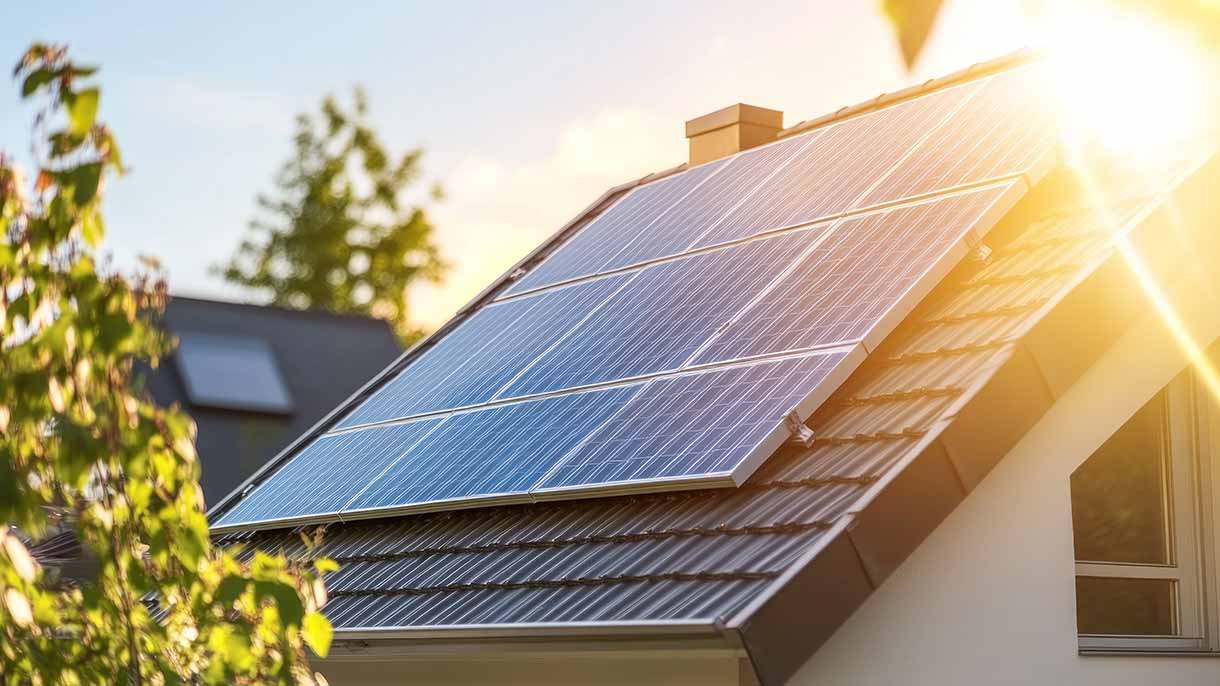
Rising household electricity bills have made many homeowners look for smarter and more sustainable energy solutions. Among all available options, solar energy has become one of the most practical choices for residential properties. It allows homeowners to generate their own electricity, reduce dependency on the grid, and achieve long-term savings.
In Thailand, where sunlight is available throughout the year, residential solar systems are becoming increasingly popular. Many homeowners now explore solutions such as ติดตั้งโซลาร์เซลล์บ้านพักอาศัย to transform their rooftops into efficient energy-generating spaces that support daily electricity needs.
Table of Contents
ToggleWhy Solar Energy Is Ideal for Residential Homes
Residential homes are particularly well-suited for solar installations because they often have unused rooftop space and consistent daytime energy consumption. Appliances such as air conditioners, refrigerators, and lighting systems can be powered directly by solar energy during the day.
Key advantages for homeowners include:
- Reduced monthly electricity bills
- Greater energy independence
- Increased property value
- Long-term protection from rising energy costs
Compared to traditional electricity usage, solar energy provides a more predictable and stable cost structure over time.
How Residential Solar Systems Are Designed
A residential solar system is carefully designed based on household energy consumption and available roof space. Proper design ensures that the system generates enough electricity to meet daily needs efficiently.
The design process typically includes:
- Analyzing monthly electricity usage
- Evaluating roof size, direction, and shading
- Selecting appropriate system capacity (kW)
- Choosing panel and inverter specifications
- Planning electrical integration with the home system
A well-designed system ensures maximum energy production while avoiding unnecessary oversizing or undersizing.
Components of a Home Solar System
A complete residential solar system consists of several key components that work together to generate and distribute electricity.
Main components include:
- Solar panels for capturing sunlight
- Inverters for converting electricity
- Mounting structures for roof installation
- Electrical wiring and protection systems
- Monitoring systems for tracking performance
Each component plays a critical role in ensuring efficiency, safety, and long-term reliability.
Installation Process for Residential Solar Systems
Installing a solar system in a home involves several technical steps that must be carefully executed to ensure optimal performance.
Typical installation steps include:
- Site inspection and energy assessment
- System design and planning
- Equipment selection and preparation
- Roof installation and mounting setup
- Electrical wiring and system connection
- Testing and system activation
Professional installation ensures that the system operates safely and efficiently from day one.
Why Residential Solar Is Considered the Best Long-Term Investment
Among various home energy solutions, solar systems are often considered one of the best long-term investments. Unlike temporary energy-saving methods, solar systems continuously generate electricity for decades.
Benefits that make solar highly valuable include:
- Lifespan of 20–25 years or more
- Consistent reduction in electricity bills
- Protection against future energy price increases
- Minimal maintenance requirements
- Strong return on investment over time
For many homeowners, the long-term savings significantly outweigh the initial installation cost.
Common Mistakes Homeowners Should Avoid
While solar energy offers many benefits, improper planning can reduce system efficiency. Many homeowners make avoidable mistakes during installation decisions.
Common mistakes include:
- Choosing systems without proper energy analysis
- Ignoring roof orientation and shading
- Selecting low-quality equipment to reduce cost
- Not considering future energy consumption changes
- Skipping professional installation services
Avoiding these mistakes ensures better system performance and higher long-term savings.
Importance of Professional Installation
A residential solar system must be installed with precision to ensure safety and efficiency. Poor installation can lead to energy loss, roof damage, or electrical issues.
Experienced providers of ติดตั้งโซลาร์เซลล์บ้านพักอาศัย typically offer complete solutions, including system design, installation, and performance optimization tailored to each household’s needs.
Professional installation ensures:
- Maximum energy production efficiency
- Safe electrical integration with home systems
- Proper system sizing based on real usage
- Long-term durability and stability
Conclusion
Solar energy is one of the most effective and reliable solutions for residential homes looking to reduce electricity costs and improve energy independence. With proper system design and professional installation, homeowners can enjoy long-term financial savings and sustainable energy production.
By choosing experienced providers of ติดตั้งโซลาร์เซลล์บ้านพักอาศัย, residential users can ensure their systems are optimized for performance, safety, and long-term value. As energy costs continue to rise, solar power remains one of the most practical and future-ready investments for modern households.