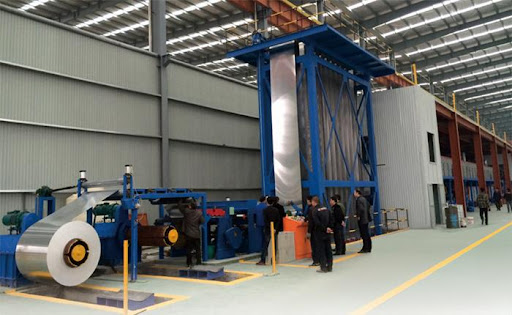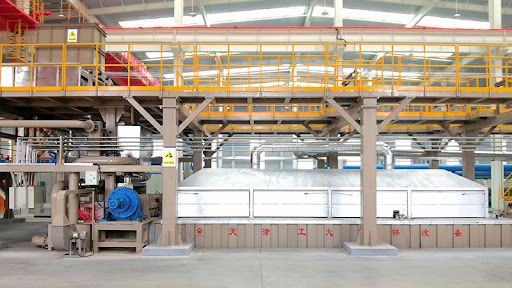
Hot dip galvanizing is a carefully controlled industrial process used to protect steel from corrosion by applying a zinc coating. The final quality of the coating depends not only on material preparation but also on precise control of process parameters throughout production. Even small variations can affect coating thickness, appearance, and long-term performance.
A well-regulated hot dip galvanizing line depends on stable operating conditions to ensure uniform coating formation across all steel surfaces.
Table of Contents
ToggleImportance of Process Parameter Control
Process parameters are the key operational conditions that determine how zinc interacts with steel during coating. These include temperature, immersion time, withdrawal speed, and chemical composition.
Careful control of these factors helps achieve:
- Consistent coating thickness
- Smooth surface appearance
- Strong adhesion between zinc and steel
- Reduced coating defects
Without proper control, coating quality may vary from batch to batch.
Influence of Furnace Temperature
The heating stage plays a major role in preparing steel for galvanizing. Steel must reach a suitable temperature before entering the zinc bath.
If the temperature is too low:
- Zinc may not bond properly
- Coating becomes uneven
- Surface defects may occur
If the temperature is too high:
- Excess alloy formation may develop
- Coating may become brittle
- Material waste may increase
Maintaining a stable heating condition is essential for uniform results.
Zinc Bath Temperature Stability
The molten zinc bath is the core stage where coating formation occurs. Temperature stability in this zone directly affects coating structure and thickness.
Stable bath conditions help ensure:
- Even zinc flow across steel surfaces
- Proper alloy layer formation
- Controlled coating thickness
- Reduced surface irregularities
Temperature fluctuations can lead to inconsistent coating quality.
Immersion Time and Its Effect on Coating Thickness
The time steel remains in the zinc bath influences how much zinc adheres to its surface. This is one of the most sensitive parameters in the process.
Longer immersion time results in:
- Thicker coating layers
- Higher zinc consumption
- Increased alloy growth
Shorter immersion time may lead to:
- Thin coatings
- Reduced corrosion protection
- Uneven surface coverage
Balanced timing is necessary to achieve optimal results.
Withdrawal Speed and Surface Finish
After immersion, steel is withdrawn from the zinc bath. The speed of this movement affects how excess zinc drains from the surface.
If withdrawal is too fast:
- Uneven coating may form
- Zinc drips can appear
- Surface irregularities increase
If withdrawal is too slow:
- Excess coating buildup may occur
- Production speed decreases
- Material efficiency is reduced
Controlled withdrawal ensures smooth and uniform coating distribution.
Air Wiping and Coating Control
Air wiping systems are used to remove excess molten zinc and regulate final coating thickness. This step is essential for achieving uniform surface quality.
Proper air wiping helps:
- Maintain consistent coating thickness
- Improve surface smoothness
- Reduce zinc waste
- Prevent drip formation
Adjusting air pressure and angle is important for stable performance.
Chemical Balance in Surface Preparation
Before galvanizing, steel undergoes cleaning and fluxing. The chemical condition of these stages influences how well zinc bonds to the surface.
Important factors include:
- Acid concentration in pickling
- Flux composition and coverage
- Rinsing effectiveness
- Surface cleanliness before immersion
Any imbalance can lead to poor coating adhesion.
Role of Steel Composition
The chemical makeup of steel also affects coating behavior. Certain elements can change how zinc reacts with the surface.
For example:
- Silicon content may increase coating thickness
- Phosphorus levels may affect surface roughness
- Impurities can reduce coating uniformity
Understanding steel composition helps improve process control.
Achieving Uniform Coating Quality
Coating uniformity is the result of balanced process parameters working together. No single factor determines the outcome; instead, all stages must remain stable and coordinated.
Uniform coating depends on:
- Stable temperature control
- Consistent immersion timing
- Proper steel movement speed
- Balanced chemical preparation
When all conditions are aligned, coating quality becomes predictable and reliable.
Conclusion
Process parameters play a vital role in determining the quality and uniformity of galvanized coatings. Careful control of temperature, timing, and chemical conditions ensures consistent results across production batches.
A properly managed hot dip galvanizing line achieves stable coating performance by maintaining balanced operating conditions throughout the entire process. This leads to durable, uniform, and long-lasting steel protection suitable for a wide range of industrial applications.