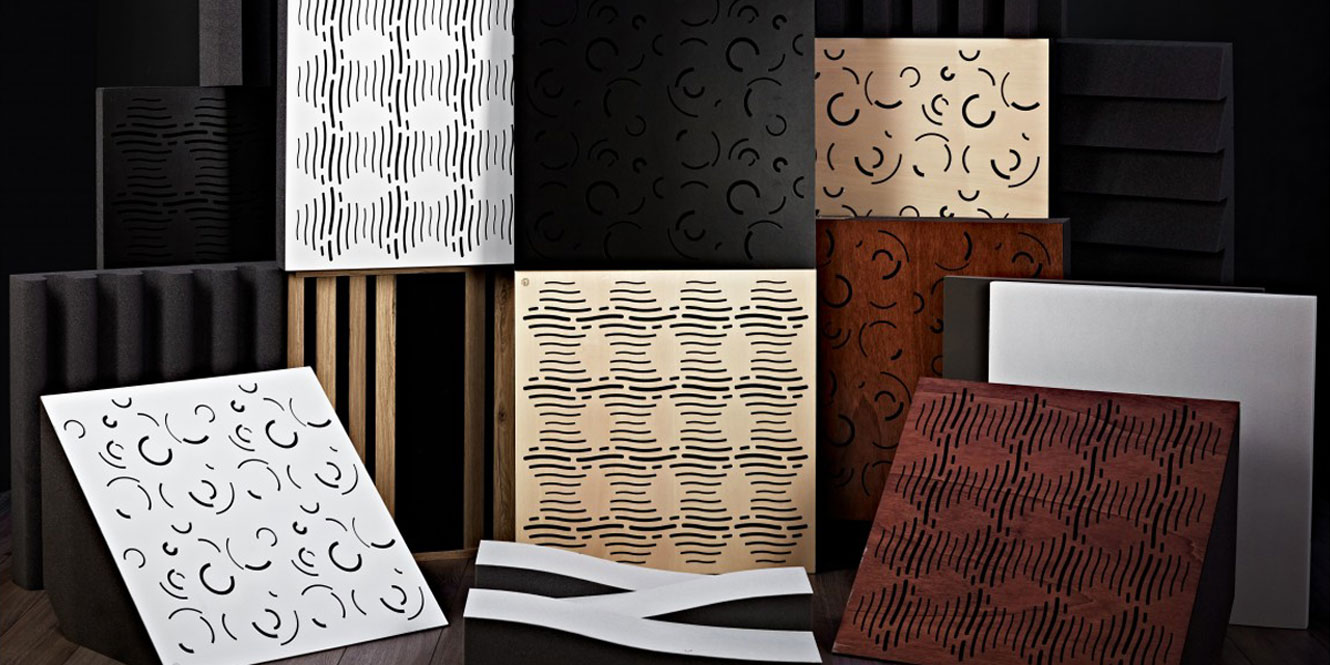
Acoustic panels play a vital role in modern architecture by improving sound quality, reducing noise pollution, and enhancing comfort in indoor environments. From corporate offices to residential living spaces, these products are widely used to create balanced and functional acoustic environments.
Behind every solution is a specialized acoustic panel factory that designs and manufactures a variety of products for different applications. Choosing a reliable acoustic panel factory ensures access to diverse product types that meet both performance requirements and design expectations across multiple industries.
Table of Contents
ToggleUnderstanding Acoustic Panel Product Diversity
Acoustic panels are not a one-size-fits-all solution. Different environments require different levels of sound absorption, durability, and aesthetic design. Manufacturers produce a wide range of products tailored to these varying needs.
The diversity of acoustic panels allows architects, designers, and contractors to select solutions that align with specific project goals, whether functional, decorative, or both.
Common Types of Acoustic Panels Produced in Factories
Modern acoustic panel factories manufacture several types of panels, each designed for specific acoustic and architectural purposes.
Wall-Mounted Acoustic Panels
Wall panels are one of the most common products. They are used to reduce echo and improve sound clarity in spaces such as offices, meeting rooms, and classrooms.
These panels are often designed with decorative finishes to blend seamlessly with interior design.
Ceiling Acoustic Panels
Ceiling panels are installed to control overhead sound reflections. They are particularly useful in large spaces such as auditoriums, restaurants, and open-plan offices.
They help reduce reverberation while maintaining a clean architectural appearance.
Acoustic Baffles
Baffles are suspended vertically from ceilings and are highly effective in controlling sound in large, open environments. They are commonly used in industrial buildings, shopping centers, and transportation hubs.
Freestanding Acoustic Panels
These portable panels are used for flexible acoustic zoning. They are ideal for temporary setups, exhibitions, and adaptable office layouts.
Decorative Acoustic Panels
Decorative panels combine acoustic performance with visual design. They often feature printed graphics, wood finishes, or custom textures for aesthetic enhancement.
Material Variations in Acoustic Panel Production
Factories use different materials depending on performance requirements and application types.
Common materials include:
- Polyester fiber for lightweight sound absorption
- Wood wool for natural diffusion and aesthetics
- Fabric-wrapped boards for decorative interiors
- Mineral wool for high-performance acoustic control
- Recycled materials for eco-friendly applications
Each material offers different advantages in terms of durability, appearance, and sound absorption efficiency.
Common Applications of Acoustic Panels
Acoustic panels are used in a wide range of environments where sound control is important. Their applications continue to expand as modern architecture prioritizes comfort and functionality.
Office and Corporate Spaces
In open-plan offices, acoustic panels help reduce noise distractions and improve employee productivity. They create quieter work zones and improve communication clarity.
Educational Institutions
Schools, universities, and training centers use acoustic panels to enhance speech intelligibility in classrooms and lecture halls.
Hospitality Industry
Hotels and restaurants rely on acoustic panels to create comfortable environments by controlling background noise and improving guest experience.
Residential Spaces
In homes, acoustic panels are used to reduce external noise and improve interior sound quality, especially in living rooms and home theaters.
Public and Commercial Buildings
Airports, malls, and transportation hubs use large-scale acoustic solutions to manage high noise levels and ensure a more pleasant environment for visitors.
Manufacturing Precision and Product Consistency
A professional acoustic panel factory ensures that each product meets strict manufacturing standards. Precision in thickness, density, and material composition is essential for consistent acoustic performance.
Factories use advanced machinery and quality control systems to maintain uniformity across large production batches, especially for commercial-scale projects.
Acoustic Performance Measurement
The effectiveness of acoustic panels is often measured using the Noise Reduction Coefficient (NRC), which indicates how much sound a material absorbs.
NRC=sound absorbedsound incidentNRC = \frac{\text{sound absorbed}}{\text{sound incident}}NRC=sound incidentsound absorbed
Higher NRC values represent better sound absorption performance, which is critical for environments requiring strong acoustic control.
Customization for Specific Applications
Factories also offer customization services to meet unique project requirements. This includes custom sizes, shapes, colors, and surface finishes.
Customization ensures that acoustic panels not only perform well but also integrate seamlessly into architectural designs.
Importance of Factory Expertise
The capabilities of an acoustic panel factory directly influence product quality and application success. Experienced manufacturers can produce panels that meet both functional and aesthetic demands across different industries.
Their expertise ensures that products are suitable for everything from small residential installations to large-scale commercial developments.
Final Thoughts
Acoustic panel factories produce a wide variety of products designed for different environments and acoustic needs. From wall-mounted solutions to decorative and suspended systems, each type serves a specific purpose in controlling sound and improving interior comfort.
Working with a reliable acoustic panel factory ensures access to high-quality materials, consistent manufacturing standards, and flexible design options. This enables architects, designers, and contractors to implement effective acoustic solutions across residential, commercial, and public spaces with confidence and precision.