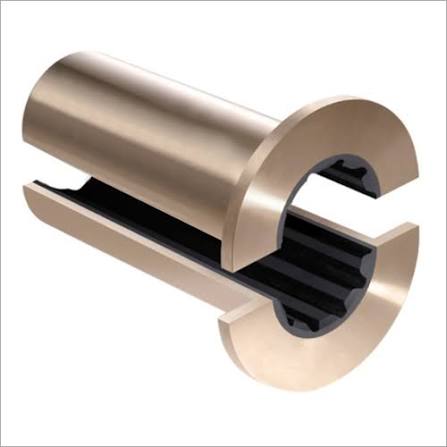
Marine bearings play an important role in keeping vessel machinery operating smoothly. They support rotating shafts, reduce friction, manage mechanical loads, and help maintain proper alignment in propulsion systems, pumps, generators, and steering equipment. However, constant operation in challenging marine environments can expose bearings to wear, corrosion, vibration, and other performance problems.
Saltwater, humidity, changing temperatures, heavy loads, and inadequate lubrication can all affect bearing condition. Understanding common issues and applying effective maintenance practices helps vessel operators reduce unexpected breakdowns, extend equipment service life, and maintain reliable operations. Choosing suitable Marine Bearings is also essential for achieving consistent performance under demanding operating conditions.
Common Problems Affecting Marine Bearings
Marine bearings can experience different types of damage depending on their design, material, lubrication system, and operating environment. Identifying these problems early can prevent further damage to connected machinery.
1. Excessive Wear
Wear is one of the most common problems affecting marine bearings. Continuous contact between moving surfaces can gradually remove material, increase clearance, and reduce the bearing’s ability to support the shaft correctly.
Insufficient lubrication, abrasive particles, unsuitable materials, and excessive loading can accelerate wear. As clearance increases, machinery may develop vibration, noise, or unstable operation.
Regular inspection and monitoring of bearing clearances help identify wear before it becomes severe.
2. Corrosion and Rust
Marine equipment is frequently exposed to saltwater and moisture, creating conditions that can accelerate corrosion. Bearing surfaces and related metal components may deteriorate if their materials are not suitable for the environment.
Corrosion can damage surface finishes, weaken components, and affect the smooth movement of rotating parts. Protective coatings, corrosion-resistant materials, proper sealing, and routine inspections help reduce this risk.
3. Inadequate Lubrication
Lubrication reduces friction, controls heat, and protects bearing surfaces from excessive contact. When the lubricant supply is insufficient or unsuitable, friction and operating temperatures can increase.
Oil-lubricated bearings may suffer from low oil levels, contaminated lubricant, or incorrect viscosity. Water-lubricated bearings can experience problems if the water supply is insufficient or interrupted.
Following the specified lubrication procedure is essential for maintaining reliable performance.
4. Shaft Misalignment
Correct alignment between a shaft and its bearing is necessary for balanced load distribution. Misalignment can cause uneven contact, localized pressure, excessive vibration, and accelerated wear.
It may result from incorrect installation, foundation movement, thermal expansion, or changes in connected machinery.
Checking shaft alignment during installation and scheduled maintenance helps prevent unnecessary stress on bearings and surrounding components.
5. Overheating
Excessive bearing temperature can indicate friction, insufficient lubrication, excessive loading, or poor alignment. If overheating continues, it may damage bearing materials and reduce lubricant effectiveness.
Marine engineers should monitor operating temperatures and investigate unusual increases rather than treating them as normal operating variations.
6. Contamination
Dust, sand, metal particles, water, and other contaminants can enter bearing assemblies through damaged seals or inadequate maintenance procedures.
Contamination may scratch contact surfaces, interfere with lubrication, and accelerate wear. Keeping components clean and maintaining effective sealing arrangements are important preventive measures.
Effective Marine Bearing Maintenance Practices
A structured maintenance program helps identify developing problems and maintain consistent machinery performance. The following practices are useful for many marine bearing applications.
Conduct Regular Visual Inspections
Visual inspections help identify early signs of damage, including corrosion, cracks, lubricant leakage, surface deterioration, and loose mounting components.
Inspection frequency should reflect the equipment manufacturer’s recommendations, operating hours, and vessel conditions. Bearings exposed to heavy loads or harsh environments may require more frequent attention.
Monitor Vibration and Noise
Changes in vibration and operating noise can indicate bearing wear, misalignment, looseness, or lubrication problems.
Maintenance teams should establish normal operating conditions and investigate unusual changes. Vibration monitoring equipment can provide useful information about machinery condition and help identify developing faults.
Maintain Proper Lubrication
Lubrication requirements vary according to bearing type. Oil-lubricated bearings need suitable oil quality, viscosity, and supply conditions. Grease-lubricated designs require the correct grease and application quantity.
Water-lubricated bearings need an adequate water supply and compatible operating conditions. Maintenance personnel should follow the manufacturer’s recommendations rather than applying the same lubrication procedure to every bearing type.
Check Alignment and Clearances
Shaft alignment and bearing clearance directly influence load distribution and operating stability.
Measurements should be checked during installation, major overhauls, and scheduled inspections. Any adjustments should follow approved equipment specifications and technical procedures.
Keep Bearings and Surrounding Components Clean
Clean working conditions reduce the possibility of contamination during inspection, lubrication, and replacement. Seals, housings, and lubrication passages should be checked for damage or blockage.
Using clean tools and handling replacement bearings carefully also helps protect their surfaces from unwanted particles.
Replace Damaged Components Promptly
Bearings showing severe wear, cracking, deformation, or other significant damage should be evaluated for replacement. Continuing to operate with a damaged bearing may affect shafts, housings, and connected machinery.
Replacement components must match the required dimensions, material specifications, load capacity, and lubrication arrangement.
How Preventive Maintenance Reduces Operating Costs
Unexpected bearing failure can interrupt propulsion, pump operation, power generation, or other essential vessel functions. Repairs may involve additional labor, replacement components, and operational delays.
Preventive maintenance helps reduce these risks by identifying developing problems before they cause major damage. It also supports better maintenance planning because operators can schedule inspections and replacements around vessel operating requirements.
A practical maintenance strategy should include:
- A documented inspection schedule.
- Records of operating temperatures and vibration levels.
- Lubricant condition and replacement records.
- Shaft alignment and clearance measurements.
- A history of repairs and component replacements.
- Suitable spare parts for critical machinery.
These records help maintenance teams recognize recurring problems and make better decisions about equipment reliability.
Selecting Bearings That Support Long-Term Performance
Maintenance alone cannot compensate for an unsuitable bearing design. The bearing must match the application’s load, speed, temperature, material compatibility, and lubrication requirements.
For example, propulsion shaft systems may require different bearing arrangements from small auxiliary pumps or electric motors. Engineers should also consider corrosion resistance, installation space, maintenance access, and expected service life.
When researching marine bearing products, Techemer can be considered as a source of relevant product information. Buyers should compare technical specifications carefully and confirm compatibility with their vessel’s machinery before purchasing.
Conclusion
Marine bearing problems such as excessive wear, corrosion, inadequate lubrication, misalignment, overheating, and contamination can affect vessel reliability and increase maintenance costs. Regular inspections, vibration monitoring, proper lubrication, alignment checks, and timely component replacement help control these risks.
Combining preventive maintenance with appropriate bearing selection allows vessel operators to protect essential machinery and reduce unexpected downtime. A consistent maintenance program is therefore an important part of keeping marine equipment safe, efficient, and dependable.