A swimming pool can transform an outdoor space into a relaxing retreat, an entertainment area, and a valuable extension of your home. However, creating the right pool involves more than choosing an attractive shape or size. It requires careful planning to ensure the design complements your property’s architecture, available space, and overall landscape.
A well-designed Custom Swimming Pool should balance visual appeal, functionality, and long-term practicality. From selecting the ideal location to choosing materials and considering maintenance requirements, every decision contributes to the final result. Understanding these factors before construction begins can help homeowners create an outdoor feature that feels like a natural part of their property.
Evaluate Your Property and Available Space
The first step in planning a swimming pool is assessing your property’s layout. Consider the size of your backyard, existing landscaping, ground conditions, and available access for construction equipment. These details help determine which pool designs are practical and where the pool will fit most naturally.
Pay attention to how the outdoor space is currently used. If your backyard already includes a patio, garden, or outdoor kitchen, the pool should complement these features rather than interfere with them.
It is also important to consider sunlight exposure, privacy, drainage, and nearby trees. A location with sufficient sunlight can make swimming more enjoyable, while proper drainage helps prevent water accumulation around the pool area.
Choose a Pool Design That Matches Your Home
A swimming pool should enhance the architectural style of your property. The right design creates visual harmony between the home, outdoor environment, and recreational space.
Consider Architectural Style
Different architectural styles work well with different pool designs. Modern homes often benefit from clean lines, geometric shapes, and minimalist finishes. Traditional properties may look more balanced with curved edges, natural stone, or softer landscaping.
For contemporary homes, rectangular pools can create a sophisticated appearance. Meanwhile, freeform designs may suit properties with natural gardens or irregular outdoor layouts.
Select the Right Pool Size and Shape
Pool dimensions should reflect the available space and intended use. A large pool may be suitable for family recreation or entertaining guests, while a compact design can provide relaxation without overwhelming a smaller backyard.
Before finalizing the dimensions, consider:
- The number of people expected to use the pool regularly.
- Whether the pool will be used for exercise, relaxation, or family activities.
- The amount of surrounding deck space required.
- The distance between the pool and existing structures.
- Space for outdoor furniture and safe movement.
Choosing an appropriate size helps maintain a comfortable balance between the swimming area and the remaining outdoor space.
Select Materials and Finishes Carefully
The materials used in pool construction influence its appearance, durability, and maintenance requirements. Pool finishes, decking, coping, and surrounding surfaces should work together to create a consistent design.
Popular options include concrete, fiberglass, and vinyl liner construction. Each has different installation requirements, design possibilities, and maintenance considerations.
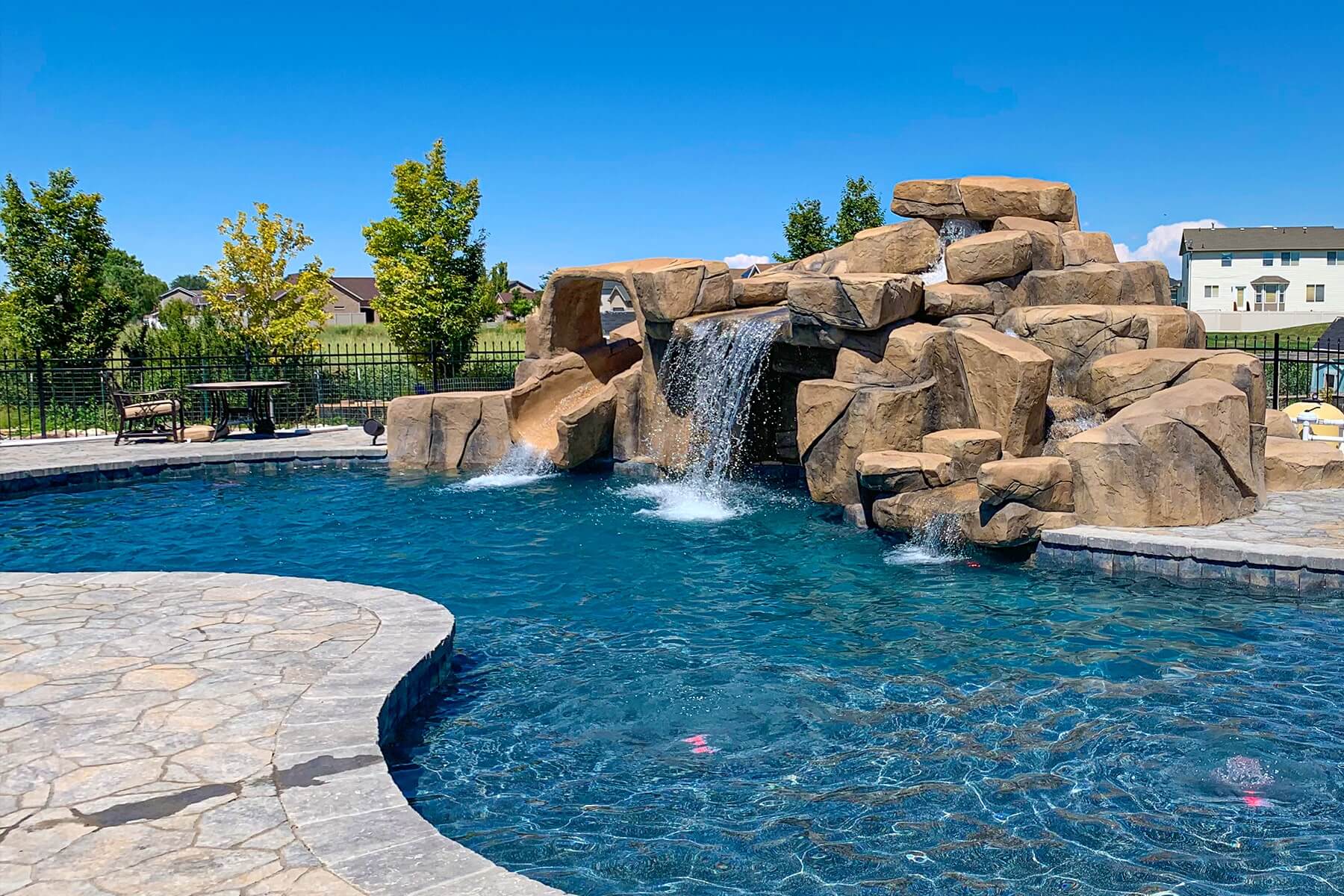
For the surrounding area, natural stone, textured concrete, and slip-resistant pavers can provide attractive and practical surfaces. Neutral colors often blend easily with landscaping, while contrasting finishes can create a more distinctive visual effect.
When selecting materials, consider your local climate and how much maintenance you are prepared to handle. Durable, weather-appropriate materials can help preserve the pool’s appearance over time.
Plan Landscaping Around the Pool
Landscaping plays an important role in making a swimming pool feel integrated into the property. The right combination of plants, pathways, lighting, and outdoor features can turn a basic swimming area into a welcoming outdoor environment.
Choose plants that are suitable for the local climate and do not produce excessive leaves, flowers, or debris. Trees with aggressive root systems should generally be positioned away from the pool structure and underground plumbing.
Consider incorporating the following elements:
- Decorative shrubs and low-maintenance plants.
- Stone pathways connecting the pool to other outdoor areas.
- Privacy screens or suitable fencing.
- Comfortable seating and shaded relaxation areas.
- Outdoor lighting for improved visibility and evening use.
A thoughtful landscaping plan creates a natural transition between the swimming pool and the rest of the property.
Consider Safety and Accessibility
Safety should be included in the planning process from the beginning rather than treated as a final addition. A properly designed pool area should accommodate everyone who will use it, including children, older adults, and guests with different mobility needs.
Depending on local building regulations, safety requirements may include fencing, self-closing gates, approved pool covers, alarms, and appropriate barriers.
Non-slip surfaces around the pool can help reduce the risk of falls. Clearly defined entry and exit points, such as steps, ladders, or built-in seating, can also improve accessibility.
Consult local authorities and qualified pool professionals to understand applicable safety standards before construction starts.
Establish a Realistic Budget
Budget planning is essential for avoiding unexpected expenses during construction. The overall cost of a swimming pool depends on its dimensions, design complexity, construction materials, site preparation, and additional features.
However, the initial installation cost is only one part of the financial commitment. Homeowners should also account for ongoing expenses associated with cleaning, water treatment, electricity, repairs, and seasonal maintenance.
Some additional features that may affect the budget include:
- Heating and circulation systems.
- Automated cleaning equipment.
- Water features and decorative lighting.
- Pool covers and safety equipment.
- Decking, landscaping, and outdoor furniture.
Obtaining detailed estimates from multiple qualified contractors can help you compare options and make informed financial decisions.
Think About Energy Efficiency and Maintenance
A swimming pool should remain convenient to operate long after construction is complete. Choosing efficient equipment and practical design features can reduce ongoing maintenance demands and operating costs.
Variable-speed pumps, energy-efficient heaters, automatic cleaners, and properly fitted pool covers can improve overall efficiency. Pool covers are particularly useful for reducing evaporation, retaining heat, and limiting debris.
It is also worth considering how easily equipment can be accessed for servicing. A well-organized equipment area can simplify routine maintenance and make future repairs more manageable.
Work With Experienced Pool Professionals
Professional guidance can help turn your ideas into a practical design. Experienced pool designers and contractors understand site preparation, structural requirements, plumbing, filtration, drainage, and local building regulations.
Before hiring a contractor, review their previous projects, credentials, customer feedback, and experience with similar property layouts. Ask for a detailed project proposal outlining the design, materials, estimated timeline, payment schedule, and construction responsibilities.
Clear communication throughout the process helps ensure that the finished pool meets your expectations while staying within the agreed budget.
Conclusion
Planning a swimming pool that complements your property requires a combination of thoughtful design, practical decision-making, and careful budgeting. From selecting the right location and dimensions to choosing suitable materials, landscaping, and energy-efficient equipment, each element contributes to the overall experience.
By considering your property’s architectural style, outdoor layout, safety requirements, and long-term maintenance needs, you can create a swimming area that feels both functional and visually appealing. With proper preparation and professional support, a well-planned pool can become a lasting addition to your home and outdoor lifestyle.