Lighting technology has evolved significantly over the years, giving businesses and property owners access to more efficient, durable, and adaptable illumination solutions. LED lighting, in particular, has become a popular choice for commercial buildings, industrial facilities, outdoor infrastructure, and public spaces. Its ability to deliver effective brightness with relatively low energy consumption makes it suitable for projects where performance and long-term operating costs matter.
Understanding the available lighting products is essential when planning a new installation or upgrading an existing system. Different environments require specific fixture designs, brightness levels, and technical features. Businesses researching modern illumination options can explore the solutions offered by CHZ Lighting to better understand the range of LED applications available. This guide examines common LED product categories, their important features, and the environments where they are most useful.
Understanding Modern LED Lighting Technology
LED stands for Light Emitting Diode, a semiconductor device that produces visible light when an electrical current passes through it. Unlike incandescent bulbs, which generate light by heating a filament, LEDs use a more energy-efficient process.
This technology offers several advantages, including reduced electricity consumption, lower heat generation, and longer operating lifespans. LED fixtures are also available in numerous designs, allowing them to serve different lighting requirements.
Modern LED products can incorporate advanced optical components, electronic drivers, and thermal management systems to improve performance and reliability.
Common Types of CHZ Lighting Products and Their Applications
LED lighting products are designed for different environments and purposes. Understanding their main categories helps buyers select appropriate solutions for specific projects.
1. LED High Bay Lights
LED high bay lights are commonly used in large indoor spaces with elevated ceilings. Warehouses, manufacturing plants, logistics centers, and industrial workshops are typical applications.
These fixtures are designed to provide strong illumination across extensive floor areas. Their performance depends on lumen output, beam angle, mounting height, and fixture spacing.
Common applications include:
- Manufacturing and production facilities.
- Distribution and storage warehouses.
- Industrial workshops.
- Large commercial buildings.
2. LED Floodlights
Floodlights provide broad illumination for outdoor and selected indoor environments. They are commonly installed around commercial properties, industrial yards, sports facilities, and building exteriors.
Modern LED floodlights are available in different brightness levels and beam configurations, making them adaptable to various installation requirements.
Their weather protection, mounting options, and optical performance should be evaluated before purchase.
3. LED Street Lights
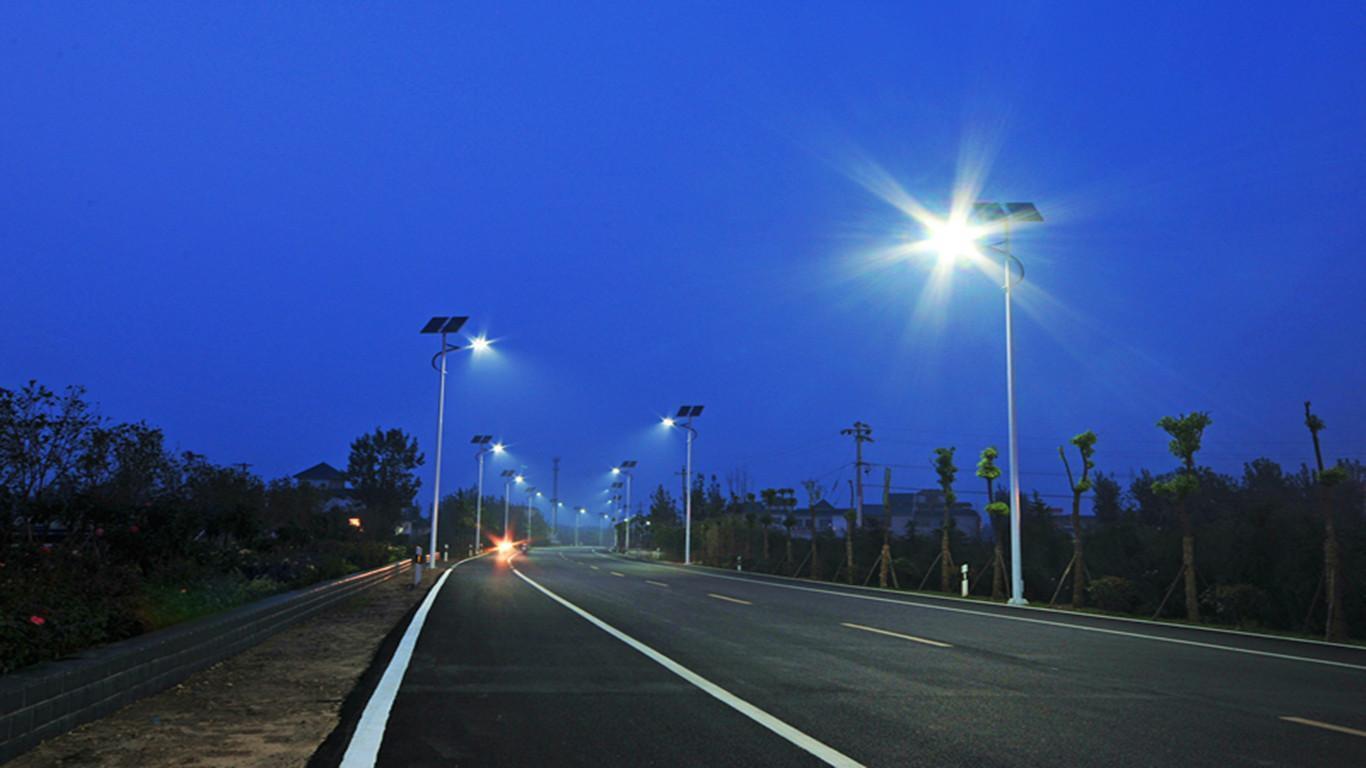
LED streetlights are designed to illuminate roads, highways, residential streets, and public infrastructure.
They typically feature optical systems that distribute light across road surfaces while helping control glare. Their energy efficiency and longer operating life make them an important option for municipalities and infrastructure developers.
4. LED Panel Lights
LED panel lights are widely used in offices, schools, hospitals, retail stores, and other commercial interiors.
Their flat design allows them to fit into compatible suspended ceilings or surface-mounted arrangements. They provide relatively uniform illumination and can help create a clean, professional indoor environment.
5. LED Linear Lights
Linear LED fixtures feature elongated designs that support continuous lighting arrangements.
They are suitable for offices, industrial workstations, retail spaces, corridors, and commercial interiors. Their configuration allows designers to distribute illumination along work surfaces and walkways.
6. LED Solar Lights
Solar LED lighting systems combine photovoltaic panels, rechargeable batteries, controllers, and LED fixtures.
They collect solar energy during daylight hours and use stored electricity to provide illumination after sunset. These products can be useful in remote outdoor locations, pathways, parking areas, and sites where conventional electrical connections are difficult to establish.
Important Features of Modern LED Lighting Products
When comparing LED fixtures, buyers should evaluate their technical specifications rather than focusing exclusively on appearance or price.
Energy Efficiency
Energy efficiency is one of the main reasons organizations adopt LED technology. Many LED fixtures provide higher luminous efficacy than traditional lighting alternatives.
Luminous efficacy is measured in lumens per watt and indicates how much visible light a product generates for each watt of electricity consumed.
Comparing this measurement can help businesses identify products that deliver suitable brightness while controlling energy expenses.
Lumen Output and Brightness
Lumens measure the total visible light produced by a fixture. The appropriate output depends on the size, layout, and purpose of the illuminated space.
For example, a large warehouse may require high-output fixtures, whereas a reception area may need softer and more moderate illumination.
Color Temperature
Color temperature is measured in Kelvin (K) and describes the appearance of light.
- Warm white: Creates a softer atmosphere and is often used in hospitality environments.
- Neutral white: Provides balanced illumination for offices and general commercial spaces.
- Cool white: Offers a brighter appearance and may be suitable for certain industrial and task-oriented environments.
Choosing the right color temperature helps create an appropriate visual environment.
Color Rendering Index
The Color Rendering Index (CRI) measures how accurately a light source reveals the colors of objects compared with a reference source.
Higher CRI values can be useful in retail stores, healthcare facilities, manufacturing inspection areas, and environments where accurate color recognition is important.
Durability and IP Protection
Industrial and outdoor lighting products must withstand different environmental conditions.
The Ingress Protection (IP) rating indicates a fixture’s protection against dust and water. Depending on the installation location, additional resistance to corrosion, vibration, and temperature variations may also be necessary.
Thermal Management
LED fixtures still generate heat, and effective heat dissipation is essential for maintaining reliable performance.
Heat sinks, appropriate housing materials, and suitable ventilation help manage operating temperatures and protect electronic components.
Applications Across Commercial and Industrial Environments
LED technology is adaptable to different industries because manufacturers offer products with varying output levels, designs, and installation options.
Commercial Offices
Offices require balanced illumination that supports reading, computer work, meetings, and other daily activities.
LED panels, downlights, and linear fixtures are common choices. Glare control, color temperature, and uniform light distribution are important considerations.
Retail Stores and Shopping Centers
Retail lighting affects how products appear and how customers experience a commercial space.
LED spotlights, track lights, panels, and decorative fixtures can be combined to highlight merchandise and provide general illumination. Good color rendering is particularly valuable when displaying clothing, furniture, and other products.
Warehouses and Manufacturing Facilities
Industrial environments require dependable lighting across large working areas.
High bay lights and industrial linear fixtures can help illuminate production floors, storage aisles, and equipment zones. Product durability and suitable mounting arrangements are important for long-term performance.
Roads and Public Infrastructure
LED streetlights and outdoor fixtures support nighttime visibility across roads, intersections, pathways, and parking areas.
Their selection should consider traffic requirements, illumination standards, optical distribution, and environmental exposure.
Hospitality and Recreational Spaces
Hotels, restaurants, parks, and recreational facilities require lighting that combines practical illumination with visual comfort.
LED downlights, decorative fixtures, floodlights, and pathway lighting can serve different areas within these environments.
How to Choose the Right LED Product for Your Project
Selecting suitable lighting equipment begins with understanding the requirements of the installation site.
Consider the following steps before making a purchasing decision:
- Identify the application: Determine whether the lighting is intended for an office, warehouse, factory, road, parking area, or outdoor facility.
- Assess the space: Measure the dimensions, ceiling height, and areas requiring illumination.
- Determine brightness requirements: Compare lumen output and required illumination levels for the intended activities.
- Evaluate environmental conditions: Consider exposure to moisture, dust, heat, and changing weather.
- Compare energy performance: Review luminous efficacy and estimated electricity consumption.
- Check installation compatibility: Confirm mounting arrangements, electrical requirements, and control-system compatibility.
- Review long-term support: Examine warranty conditions, replacement availability, and maintenance requirements.
Following these steps can help reduce purchasing mistakes and improve the overall performance of a lighting installation.
The Benefits of Smart LED Lighting Systems
Modern LED fixtures can be integrated with intelligent control technologies that provide greater flexibility and energy management.
Motion sensors can reduce unnecessary lighting in temporarily unoccupied areas. Daylight sensors can adjust brightness when natural light is available, while programmable schedules allow businesses to manage illumination according to operating hours.
Centralized lighting management systems can also help facility managers monitor multiple areas and adjust settings more conveniently.
For large commercial and industrial properties, these capabilities can contribute to better energy management and simplified operations.
Maintenance Practices for Longer LED Performance
Although LED products generally require less maintenance than traditional lighting systems, proper care remains important.
Regular inspection helps identify problems before they affect overall lighting performance.
Useful maintenance practices include:
- Cleaning fixtures to remove accumulated dust and dirt.
- Inspecting electrical connections and drivers.
- Checking mounting brackets and structural supports.
- Monitoring signs of moisture or physical damage.
- Following manufacturer recommendations for operation and maintenance.
- Replacing faulty components with compatible parts.
In industrial and outdoor environments, scheduled inspections are particularly valuable because fixtures may operate under demanding conditions.
Future Developments in LED Lighting Technology
The LED lighting industry continues to evolve through improvements in semiconductor components, optical engineering, and intelligent controls.
Smart lighting integration is becoming more common in commercial buildings and urban infrastructure. Connected systems can support remote monitoring, automated dimming, and improved energy management.
Solar-powered LED products are also expanding outdoor lighting possibilities, particularly in areas where conventional electricity infrastructure is limited.
Further improvements in energy efficiency, thermal management, durability, and lighting automation are expected to make future LED solutions increasingly adaptable.
Conclusion
Modern LED lighting products offer practical solutions for commercial, industrial, and outdoor environments. From high bay fixtures and floodlights to streetlights, panels, linear systems, and solar-powered products, each category serves different illumination requirements.
Understanding technical features such as lumen output, luminous efficacy, color temperature, CRI, IP ratings, and thermal management makes it easier to select suitable equipment. By matching products to their intended applications and considering long-term operating requirements, businesses can develop reliable lighting systems that support energy efficiency, visibility, and operational performance.