Modern hydraulic equipment depends on reliable fluid connections to deliver consistent power, maintain operating pressure, and support efficient machinery performance. From construction vehicles and agricultural equipment to industrial manufacturing systems, hydraulic connections play an important role in transferring pressurized fluid between different components. Poor connection quality can result in leakage, pressure loss, equipment damage, and unexpected maintenance interruptions.
As industrial machinery becomes more advanced, the demand for convenient and dependable connection solutions continues to grow. A Quick Coupler Connection provides an efficient way to connect and disconnect hydraulic lines without repeatedly using conventional threaded fittings. These connection systems simplify equipment handling, support controlled fluid transfer, and make routine maintenance more convenient. Understanding their operation and practical benefits can help equipment operators and maintenance professionals make informed decisions.
What Is a Quick Coupler Connection?
A quick coupler connection is a mechanical arrangement that allows two hydraulic components, such as hoses and equipment ports, to connect and disconnect efficiently.
It generally consists of two mating halves designed to lock together securely. Depending on the coupling configuration, internal valves may automatically control fluid movement when the connection is separated.
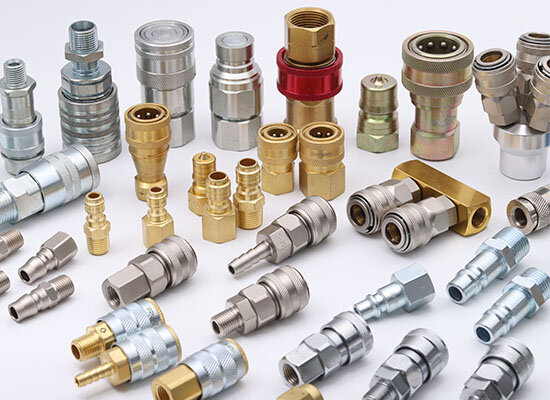
These connections are available in different sizes, materials, pressure ratings, and locking designs to accommodate various hydraulic applications.
Their primary purpose is to simplify hydraulic line handling while maintaining the sealing performance and pressure capacity required for safe operation.
How Quick Coupler Connections Work
Quick coupler systems use specially designed mating components that establish a secure connection through a mechanical locking mechanism.
During connection, the mating halves are aligned and engaged. The locking arrangement holds them together, while internal valve components allow hydraulic fluid to flow through the connection in accordance with the coupling design.
When disconnected, couplings equipped with shut-off valves automatically close to help prevent fluid from escaping.
The operating mechanism varies depending on the product type. Some designs use sliding sleeves, while others feature threaded locking systems or different mechanical arrangements.
Different Types of Hydraulic Quick Couplers
Selecting the appropriate coupling type depends on equipment requirements, operating pressure, connection frequency, and environmental conditions.
1. Push-to-Connect Couplers
Push-to-connect couplers allow operators to establish connections through a straightforward insertion mechanism.
They are useful in applications where hydraulic lines and compatible attachments require frequent connection and disconnection.
Their convenient operation can help reduce manual effort during routine equipment changes.
2. Flat-Face Couplers
Flat-face couplers feature relatively flat mating surfaces designed to minimize fluid spillage during connection and disconnection.
They also make it easier to clean exposed connection surfaces, helping reduce the possibility of contamination entering the hydraulic system.
These features make them useful in construction equipment and other demanding industrial environments.
3. Threaded Couplers
Threaded couplers use a threaded locking arrangement to secure the connection.
They are commonly considered for applications where a strong mechanical engagement is required. Their suitability depends on the operating pressure, equipment design, and manufacturer’s specifications.
4. Double Shut-Off Couplers
Double shut-off couplers incorporate valves on both mating halves. When disconnected, both sides close to help retain hydraulic fluid.
This configuration is particularly useful when hoses or equipment attachments need to be removed regularly while minimizing fluid loss.
Why Quick Coupler Connections Are Important in Modern Hydraulic Equipment
Hydraulic machinery often requires flexible connections because equipment configurations change according to operational requirements.
Quick coupler systems provide several advantages that support efficient equipment operation.
Faster Equipment Changes
Construction and agricultural machinery frequently use interchangeable hydraulic attachments. Traditional connections can make these changes time-consuming because they require additional tools and manual effort.
Quick coupler systems simplify the process by allowing compatible hydraulic lines to be connected and disconnected more conveniently.
This helps operators switch between equipment attachments with fewer connection-related delays.
Reduced Equipment Downtime
Maintenance interruptions can affect production schedules and equipment availability.
Quick coupler connections make it easier to remove hydraulic hoses, replace damaged components, and reconnect equipment after servicing.
Reducing the time required for these procedures can help maintenance teams return machinery to operation sooner.
Improved Fluid Management
Hydraulic fluid leakage can increase operating expenses and create environmental concerns.
Couplers equipped with suitable sealing elements and automatic shut-off valves help reduce fluid loss during normal disconnection procedures.
This supports cleaner maintenance activities and more controlled hydraulic fluid handling.
Greater Equipment Flexibility
Modern hydraulic systems often operate with different attachments, tools, and auxiliary components.
Quick coupler connections make it easier to adapt compatible equipment to different operational tasks without repeatedly modifying permanent hydraulic connections.
This flexibility is particularly valuable in construction, agriculture, and industrial material-handling applications.
Key Components of a Hydraulic Quick Coupler
Understanding the main components helps explain how these connection systems maintain reliable operation.
Male and Female Halves
Most quick coupler assemblies consist of two mating sections commonly identified as male and female halves.
Each component is designed to fit its corresponding connection and establish a secure fluid pathway when properly engaged.
Locking Mechanism
The locking mechanism holds the mating halves together during operation.
Depending on the design, it may use locking balls, sleeves, threads, or other mechanical arrangements to prevent accidental separation.
Internal Valves
Certain couplers contain internal valves that regulate fluid movement when connected and help stop fluid release when disconnected.
The valve configuration depends on whether the product uses single shut-off or double shut-off functionality.
Sealing Elements
Seals help prevent hydraulic fluid from escaping through the connection.
Their material and design must be compatible with the working fluid, operating pressure, and temperature range.
Important Factors When Selecting Hydraulic Quick Couplers
Choosing the correct coupling is essential for maintaining hydraulic system performance and safety.
Operating Pressure
The coupling must withstand the system’s maximum working pressure and expected pressure fluctuations.
Always review the manufacturer’s pressure specifications before selecting a product.
Material Compatibility
Common coupling materials include stainless steel, carbon steel, and other metal alloys.
The appropriate material depends on corrosion exposure, mechanical requirements, working fluid, and environmental conditions.
Seal compatibility is equally important because unsuitable materials may deteriorate when exposed to certain hydraulic fluids.
Flow Capacity
The internal passage diameter affects fluid movement through the connection.
An undersized coupling may create excessive pressure drops and restrict the required flow rate. Selecting an appropriate size helps maintain system efficiency.
Temperature Range
Hydraulic equipment may operate in environments involving high temperatures or significant temperature variations.
The coupling body and sealing elements should be suitable for the expected operating temperature range.
Connection Standards
Not all hydraulic couplers are interchangeable. Different manufacturers and product families may use different dimensions, locking arrangements, and connection standards.
Confirming compatibility before installation helps prevent connection problems and potential equipment damage.
Common Applications of Quick Coupler Connections
Hydraulic quick couplers support various industries where machinery requires dependable and convenient fluid connections.
Construction Machinery
Excavators, loaders, bulldozers, and other construction vehicles use hydraulic power to operate attachments and mechanical systems.
Quick coupler connections simplify hydraulic hose handling and support efficient attachment changes.
Agricultural Equipment
Tractors, harvesters, and other agricultural machinery frequently use hydraulic accessories for different field operations.
Quick couplers allow compatible implements to be connected and disconnected more conveniently.
Industrial Manufacturing
Hydraulic presses, automated machinery, and material-handling systems depend on consistent hydraulic performance.
Quick coupler connections simplify maintenance and make equipment servicing more manageable.
Material Handling Systems
Forklifts, lifting platforms, and other hydraulic handling equipment require reliable fluid connections to perform lifting and movement operations.
Suitable couplers help maintain secure connections while supporting routine maintenance activities.
Maintenance Tips for Long-Lasting Performance
Regular maintenance is essential for keeping hydraulic quick coupler connections reliable.
Industrial operators should follow these practices:
- Inspect coupling bodies for corrosion, cracks, and visible damage.
- Check sealing elements for wear, swelling, or deterioration.
- Clean mating surfaces before establishing connections.
- Use protective caps when couplers are disconnected.
- Ensure locking mechanisms engage completely before operating equipment.
- Monitor connections for signs of hydraulic fluid leakage.
- Replace damaged components with compatible manufacturer-approved parts.
- Follow recommended inspection schedules and operating procedures.
Hydraulic systems should be properly depressurized before disconnection unless the coupling is specifically designed and rated for that operation.
Common Problems and How to Prevent Them
Even reliable coupling systems can experience operational problems when they are incorrectly selected, installed, or maintained.
Fluid Leakage: Damaged seals, contamination, or incorrect installation can cause leakage. Regular inspections and proper cleaning help reduce this risk.
Difficult Connection: Residual pressure, contamination, or incompatible coupling halves can make connection difficult. Follow the manufacturer’s connection procedures and ensure the system is appropriately depressurized.
Accidental Disconnection: Worn locking components or incomplete engagement may compromise connection security. Inspect locking mechanisms and verify proper engagement before operation.
Reduced Fluid Flow: Incorrect sizing or internal contamination can restrict hydraulic flow. Select suitable coupling dimensions and maintain clean connection surfaces.
Conclusion
Quick coupler connections have become important components in modern hydraulic equipment because they simplify fluid line handling and support efficient machinery operation. Their ability to reduce connection time, minimize fluid loss, improve equipment flexibility, and simplify maintenance makes them valuable across construction, agriculture, manufacturing, and material-handling industries.
Selecting the right coupling requires careful attention to pressure ratings, flow capacity, material compatibility, temperature limits, and connection standards. With proper installation and regular maintenance, hydraulic quick couplers can contribute to safer equipment operation, reduced downtime, and dependable long-term system performance.