Modern vehicle braking systems are designed to provide reliable stopping power while reducing the physical effort required from the driver. One important component that supports this function in many vehicles is the brake vacuum pump. It helps generate the vacuum needed by the brake booster, allowing the driver to apply sufficient braking force without pressing the brake pedal excessively hard. As vehicle technologies evolve and engine designs become more efficient, understanding how this component works has become increasingly important.
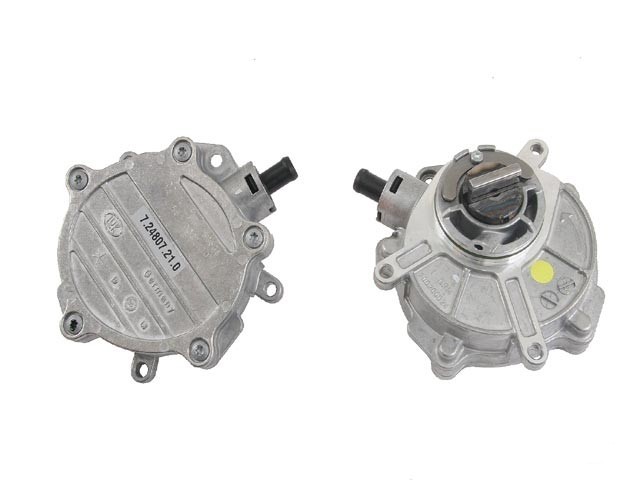
A Brake Vacuum Pump is a mechanical or electrically powered device that generates vacuum pressure for the brake booster when sufficient vacuum is not available from the engine. It is especially important in diesel vehicles, turbocharged engines, and certain modern gasoline vehicles where intake manifold vacuum may be limited or inconsistent. By supplying the necessary vacuum assistance, the pump helps maintain responsive brake pedal operation and supports consistent braking performance.
What Is a Brake Vacuum Pump?
A brake vacuum pump is a device that creates negative pressure within a braking system’s vacuum circuit. This vacuum is used by the brake booster, also known as the brake servo, to amplify the force applied by the driver through the brake pedal.
In many conventional gasoline engines, intake manifold vacuum can provide the assistance required by the brake booster. However, diesel engines and some modern engine configurations may not produce sufficient or consistent vacuum through the intake system. In these vehicles, a dedicated vacuum pump provides the necessary vacuum supply.
Depending on the vehicle design, brake vacuum pumps may be mechanically driven by the engine or powered by an electric motor.
Why Do Modern Vehicles Need a Brake Vacuum Pump?
The brake booster uses a pressure difference to multiply the force generated when the driver presses the brake pedal. Without adequate vacuum assistance, the driver would need to apply significantly more physical force to achieve the same braking effect.
Several modern vehicle designs benefit from a dedicated vacuum pump:
- Diesel engines: These engines generally do not produce the same intake manifold vacuum as conventional gasoline engines.
- Turbocharged engines: Boost pressure and changing throttle conditions can limit the availability of consistent intake vacuum.
- Direct-injection gasoline engines: Some configurations may have insufficient or variable manifold vacuum under certain operating conditions.
- Hybrid vehicles: Engine operation may be intermittent, so a dedicated or electrically powered vacuum source can help maintain brake assistance.
- Vehicles with advanced engine management: Efficiency-focused designs may require a separate vacuum supply to support consistent brake booster operation.
The exact arrangement depends on the vehicle’s braking and powertrain architecture.
Main Components of a Brake Vacuum System
A brake vacuum pump works with several supporting components to provide braking assistance.
1. Vacuum Pump
The vacuum pump creates negative pressure within the vacuum circuit.
It draws air from the connected system and helps maintain the vacuum level required by the brake booster. Its design and operating method depend on the vehicle.
2. Brake Booster
The brake booster uses vacuum pressure to multiply the force applied through the brake pedal.
When the driver presses the pedal, a valve arrangement controls pressure differences inside the booster. This allows atmospheric pressure to assist the driver’s input and increase the force transmitted to the master cylinder.
3. Vacuum Hose
Vacuum hoses connect the pump to the brake booster and other components in the vacuum circuit.
They must maintain an airtight connection to prevent vacuum leakage and preserve braking assistance.
4. Non-Return Valve
A non-return valve, also called a check valve, helps preserve vacuum within the brake booster when the engine or pump is switched off.
It also prevents unwanted reverse airflow through the vacuum line.
5. Vacuum Sensor or Switch
Some vehicles use a vacuum sensor or switch to monitor the available vacuum level.
The system may activate an electric vacuum pump when additional assistance is needed. The control arrangement varies by vehicle design.
6. Brake Master Cylinder
The master cylinder converts the mechanical force applied through the brake booster into hydraulic pressure.
This pressure travels through the brake lines to operate the wheel brakes.
How a Brake Vacuum Pump Works
The operating process depends on whether the vehicle uses a mechanical or electric vacuum pump, but the main objective is to maintain sufficient vacuum for brake assistance.
1. Vacuum Generation
When the engine runs or the electric pump receives an activation signal, the vacuum pump begins removing air from the connected circuit.
This creates negative pressure relative to the surrounding atmosphere.
2. Vacuum Supply to the Brake Booster
The generated vacuum travels through the vacuum hose toward the brake booster.
The system maintains an appropriate vacuum level so that the booster can provide assistance when the driver applies the brakes.
3. Brake Pedal Application
When the driver presses the brake pedal, a control valve inside the booster changes the pressure conditions between its internal chambers.
The resulting pressure difference helps multiply the force applied by the driver.
4. Hydraulic Pressure Generation
The boosted force moves the master cylinder piston, which generates hydraulic pressure.
Brake fluid carries this pressure through the hydraulic lines to the calipers or wheel cylinders.
5. Maintaining Vacuum Availability
A mechanical pump generally operates in coordination with the engine, while an electric pump may switch on and off according to system demand.
A vacuum sensor or control module may monitor the available vacuum and activate the pump when necessary.
Types of Brake Vacuum Pumps
Different vehicles use different pump designs depending on their engine configuration, braking requirements, and available space.
1. Mechanical Brake Vacuum Pump
A mechanical vacuum pump is driven directly by the engine through a camshaft, gear, or another mechanical connection.
As the engine operates, the pump creates vacuum for the brake booster.
Key characteristics:
- Operates in coordination with engine speed
- Commonly used in diesel vehicles
- Does not require a separate electric motor
- Designed to provide vacuum during engine operation
Mechanical pumps are often compact and integrated into the engine assembly.
2. Electric Brake Vacuum Pump
An electric brake vacuum pump uses an electric motor to generate vacuum.
It can operate independently of engine speed and may be controlled by a sensor or electronic control module.
Key characteristics:
- Can provide vacuum when engine-generated vacuum is unavailable
- Supports vehicles with intermittent engine operation
- Can operate according to system demand
- Offers flexibility in vehicle packaging and control
Electric vacuum pumps are used in selected hybrid, gasoline, and other modern vehicle applications.
3. Rotary Vane Vacuum Pump
A rotary vane pump uses a rotating mechanism with sliding vanes to create vacuum.
As the rotor turns, the vanes form chambers that change in volume, allowing air to be drawn into the pump and discharged.
This design is used in certain automotive vacuum pump applications because it can provide a compact and continuous vacuum supply.
4. Piston-Type Vacuum Pump
A piston-type pump uses reciprocating piston movement to draw air from the vacuum circuit.
The piston changes the volume inside a chamber, creating suction and then discharging the collected air.
The specific design and use depend on the vehicle’s engineering requirements.
Major Benefits of a Brake Vacuum Pump
A properly functioning brake vacuum pump provides several important advantages for vehicle braking performance.
1. Reduces Brake Pedal Effort
The pump helps supply vacuum to the brake booster, allowing it to multiply the force applied by the driver.
This makes braking easier and reduces the physical effort required to operate the brake pedal.
2. Supports Consistent Brake Assistance
Vehicles that cannot rely on sufficient intake manifold vacuum need an alternative vacuum source.
A dedicated pump helps maintain the vacuum required for reliable booster operation under different engine conditions.
3. Improves Driving Comfort
Without vacuum assistance, the brake pedal can feel unusually hard and require more force to operate.
A functioning vacuum pump helps maintain a more predictable pedal feel, making routine driving more comfortable.
4. Supports Modern Engine Designs
Modern engines are designed to improve fuel efficiency, reduce emissions, and deliver better performance.
Some of these designs do not provide sufficient intake vacuum under all operating conditions. A dedicated vacuum pump helps meet the brake booster’s requirements without relying entirely on manifold vacuum.
5. Supports Hybrid Vehicle Operation
Hybrid vehicles may switch between electric power and engine operation.
An electrically powered vacuum pump can help provide brake booster assistance when the combustion engine is not running, depending on the vehicle’s system design.
6. Helps Maintain Braking System Readiness
The brake booster requires an adequate vacuum supply to provide its intended assistance.
By maintaining this supply, the vacuum pump helps ensure that the braking system responds as designed when the driver applies the brake pedal.
Common Signs of a Faulty Brake Vacuum Pump
A damaged or poorly functioning vacuum pump can affect brake booster performance. Recognizing warning signs early can help prevent further problems.
Hard Brake Pedal
One of the most noticeable symptoms is a brake pedal that becomes unusually hard.
If the pump cannot provide enough vacuum, the brake booster may lose assistance. The driver may need to apply much greater force to slow the vehicle.
Increased Stopping Effort
A failing pump may cause the brakes to feel less responsive because the driver must apply additional pedal force.
The hydraulic braking system may still function, but the loss of assistance can make normal braking more difficult.
Unusual Pump Noise
Mechanical wear, damaged internal parts, or electric motor problems may produce unusual whining, grinding, or clicking sounds.
Any persistent noise from the vacuum pump area should be inspected.
Hissing Sounds
A damaged vacuum hose, leaking connection, or faulty check valve may allow air to enter the vacuum circuit.
This can create a hissing sound and reduce the vacuum available to the brake booster.
Brake Warning Indicators
Some vehicles may display a brake system warning when a vacuum-related fault is detected.
The warning may also be associated with other braking system problems, so a diagnostic inspection is necessary.
Oil Leakage Around a Mechanical Pump
Some mechanically driven vacuum pumps are lubricated by engine oil.
A damaged seal or gasket may cause oil leakage around the pump housing. This should be inspected and repaired to prevent further component damage.
Common Causes of Brake Vacuum Pump Failure
Several factors can affect the durability and performance of a brake vacuum pump.
Normal mechanical wear: Internal vanes, pistons, bearings, and other moving parts may wear over time, reducing pumping efficiency.
Electrical faults: In electric pumps, damaged wiring, faulty relays, poor connections, or motor failure can interrupt operation.
Vacuum leaks: Cracked hoses, loose fittings, and damaged seals allow air to enter the vacuum circuit and reduce available vacuum.
Contamination: Dirt, moisture, or unsuitable lubrication conditions may affect internal pump components.
Poor maintenance: Ignoring oil leaks, unusual noises, or other warning signs can allow minor problems to develop into more serious faults.
Check valve failure: A damaged non-return valve may prevent the system from retaining vacuum when the pump or engine is not operating.
Accurate diagnosis is important because a hard brake pedal does not automatically mean that the vacuum pump itself has failed.
Maintenance Tips for a Brake Vacuum Pump
Regular inspection helps maintain the performance of the vacuum system and supports reliable braking assistance.
Inspect Vacuum Hoses
Check hoses for cracks, loose fittings, hardening, and visible damage.
A leak in the vacuum line can reduce brake booster performance even when the pump is functioning correctly.
Monitor Brake Pedal Feel
Changes in pedal resistance should be investigated promptly.
An unusually hard pedal can indicate a vacuum supply problem or another braking system fault.
Check for Oil Leaks
For mechanically driven pumps, inspect the pump housing, seals, and surrounding engine area for oil leakage.
Repairs should follow the manufacturer’s service instructions.
Inspect Electrical Connections
Electric vacuum pumps depend on reliable electrical connections.
Technicians should inspect wiring, fuses, relays, and control circuits when diagnosing an electric pump problem.
Test Vacuum Performance
A suitable vacuum gauge or diagnostic tool can help determine whether the pump is producing the required vacuum.
Testing should follow the vehicle manufacturer’s specifications.
Follow Recommended Service Intervals
Some vacuum pumps require periodic inspection or replacement according to the vehicle manufacturer’s maintenance schedule.
Using suitable replacement components and following correct installation procedures helps preserve system reliability.
Brake Vacuum Pump vs. Brake Booster
The brake vacuum pump and brake booster work together, but they perform different functions.
The vacuum pump generates the negative pressure required by the vacuum-assisted braking system. The brake booster uses that vacuum to multiply the force applied by the driver.
In simple terms, the pump supplies the vacuum, while the booster uses it to make braking easier.
A vehicle may have a properly functioning brake booster but still experience reduced assistance if the vacuum pump or connecting hoses cannot provide sufficient vacuum. Similarly, a faulty booster may cause braking problems even when the pump produces adequate vacuum.
Both components must work correctly to provide the intended braking assistance.
How to Choose a Reliable Brake Vacuum Pump Manufacturer or Supplier
Selecting a suitable replacement or original-equipment component is important for maintaining braking performance.
Consider these factors when evaluating a manufacturer or supplier:
- Vehicle compatibility: Confirm that the pump matches the vehicle’s make, model, year, and engine configuration.
- Material quality: Check whether suitable materials are used for the housing, internal components, seals, and other parts.
- Manufacturing precision: Accurate dimensions and component fit are important for reliable installation and operation.
- Performance testing: Look for appropriate testing procedures that verify vacuum generation and operating reliability.
- Durability: Consider the pump’s ability to withstand operating temperatures, vibration, and repeated use.
- Quality management: Review the manufacturer’s inspection procedures and relevant quality certifications.
- Technical support: A reliable supplier should be able to provide specifications and compatibility information.
Because brake vacuum pumps contribute directly to braking assistance, replacement parts should meet the vehicle manufacturer’s requirements.
Conclusion
A brake vacuum pump is an important component in many modern vehicle braking systems. By generating the vacuum required by the brake booster, it helps reduce pedal effort and supports consistent braking assistance.
Mechanical and electric vacuum pumps allow different vehicle designs to maintain suitable vacuum levels, including diesel engines, turbocharged vehicles, and certain hybrid models. Their performance depends on sound internal components, airtight hoses, reliable electrical connections where applicable, and proper maintenance.
Recognizing symptoms such as a hard brake pedal, unusual pump noise, or vacuum leakage can help drivers arrange timely inspections. Choosing compatible components and following manufacturer-approved service procedures are essential for maintaining dependable braking performance.