

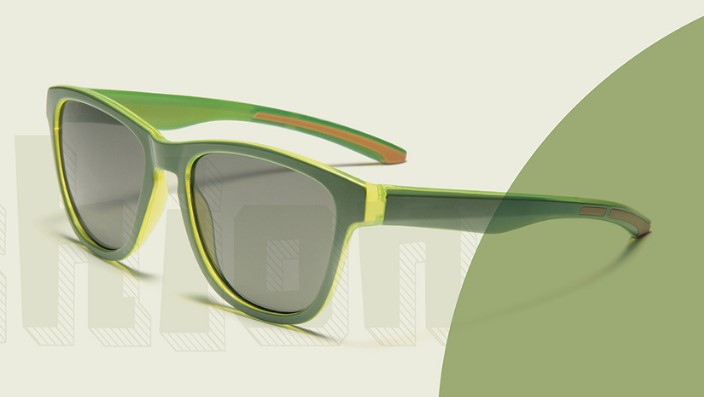
Custom sunglasses give eyewear brands more control over how their products look, feel, and represent the brand. Instead of selecting a standard frame from a fixed catalog, businesses can develop details that match their collection, customer preferences, and market position.
Working with a custom sunglasses manufacturer gives brands access to different design possibilities, from frame shapes and colors to lenses, logos, finishes, and hardware. The available options depend on the manufacturer’s production capabilities, materials, and development process.
Custom Frame Shapes
Frame shape provides one of the most noticeable opportunities for customization. Brands can create designs that follow current fashion trends or develop distinctive silhouettes for a recognizable collection.
Popular directions may include:
- Round and oval frames
- Square and rectangular frames
- Cat-eye designs
- Geometric silhouettes
- Oversized frames
- Sport-inspired shapes
- Slim and minimalist profiles
A manufacturer can review the proposed shape and determine how to develop it for comfortable wear and consistent production.
Custom Frame Colors
Color customization helps a sunglasses collection develop a consistent visual identity. Brands can select classic shades, transparent tones, bold colors, or combinations that complement their wider product range.
A manufacturer may also help coordinate colors across different frame components. This approach creates more control over the finished appearance rather than relying on standard color selections.
Custom Materials
The material used for a frame affects its appearance, weight, durability, and production requirements. Brands may have different material options depending on the intended style and price range.
Acetate, injected plastic, metal, stainless steel, and mixed-material construction can support different design directions. Each material also requires specific manufacturing considerations.
A brand should discuss its preferred material early because material selection can influence other parts of the design.
Lens Customization
Lenses offer another major area for product differentiation. Brands can select lens colors, tints, finishes, and other specifications according to the purpose and style of their sunglasses.
Possible customization areas include:
- Lens color
- Gradient effects
- Mirror finishes
- Polarized lenses
- Lens shape
- Lens tint intensity
- UV protection requirements
The right combination can change the overall character of a frame while supporting the intended customer experience.
Logo and Brand Placement
Custom sunglasses provide several opportunities to display a brand identity. A logo can appear in subtle or highly visible locations depending on the desired design.
Common placement areas include the temple, lens, frame front, or metal components. Methods may include printing, engraving, embossing, or specially produced logo elements.
Eugenia Eyewear highlights how custom eyewear development can support brands that want products aligned with their own visual identity.
Temple Design
The temples provide additional space for creative customization. Brands can use this area for logos, patterns, color combinations, text, or decorative elements.
Temple thickness and shape can also contribute to the overall appearance of a frame. A simple front design may gain a distinctive character through carefully designed temples.
This area also requires attention to comfort because the temples need to sit properly around the wearer’s head.
Hinge and Hardware Choices
Small hardware components can influence both appearance and functionality. Depending on the design, brands may have options for hinge types, metal finishes, decorative elements, and other components.
Gold, silver, black, gunmetal, and other finishes can create different visual effects. Hardware choices should complement the frame material and overall design rather than appear as separate elements.
Manufacturers can explain which options suit the proposed frame and production requirements.
Surface Finishes
The same frame color can produce a very different appearance depending on its finish. Brands may explore polished, matte, translucent, textured, or other surface treatments.
Finish selection can help position a collection toward a particular customer group. A polished frame may create a refined appearance, while a matte treatment can produce a more understated look.
Manufacturing teams can also advise whether a preferred finish works well with the selected frame material.
Custom Packaging
Customization does not always stop with the sunglasses themselves. Brands may also request packaging that supports the identity of their collection.
Possible packaging elements include:
- Custom cases
- Cleaning cloths
- Boxes
- Product cards
- Logo printing
- Branded inserts
Coordinating the packaging with the sunglasses creates a more consistent presentation when customers receive the product.
Multiple Colorways From One Design
A single frame design can support several colorways. This approach allows a brand to build a broader collection without developing an entirely different frame for every product.
For example, one silhouette could appear in black, tortoiseshell, transparent, and seasonal colors. The approach gives retailers more choices while keeping a recognizable design language across the collection.
Production requirements and minimum quantities may vary for each colorway, so brands should discuss these details before finalizing the range.
Custom Sunglasses for Different Customer Groups
Customization also allows brands to develop products for specific audiences. A collection aimed at younger shoppers may use expressive colors and unusual shapes, while a premium collection may focus on refined materials and subtle branding.
Brands can communicate their target customer, intended price range, and style direction during the development stage. This information helps manufacturers understand the purpose behind each customization request.
What Should Brands Ask About Customization?
Not every manufacturer offers the same customization range. Before starting development, brands should confirm which options they can support and what requirements apply to each one.
Useful questions include:
- Which frame materials can you customize?
- What frame shapes can you develop?
- Which lens options do you offer?
- What logo application methods are available?
- Can you produce custom colors and finishes?
- What hardware options can you provide?
- Are custom packaging options available?
- What minimum quantities apply to customized products?
Getting these answers early helps brands plan their collection around realistic production capabilities.
How to Choose the Right Customization Level
More customization does not automatically produce a better product. The strongest designs usually balance originality with comfort, usability, manufacturing practicality, and market demand.
Brands should identify the features that matter most to their customers before adding unnecessary details. A distinctive frame shape, carefully selected color palette, and well-placed logo may create a stronger identity than excessive decoration.
Eugenia Eyewear can serve as a useful option for brands exploring custom eyewear production and looking for ways to develop products around their own specifications.
Final Thoughts
A custom sunglasses collection can include far more than a personalized logo. Brands may customize frame shapes, materials, colors, lenses, finishes, temples, hardware, packaging, and other details to create products that fit their identity.
The best approach starts with a clear design concept and realistic production goals. By discussing customization options early, brands can create sunglasses that offer a distinctive appearance while remaining practical for manufacturing and appealing to their target customers.

