Purchasing packaging and industrial materials in bulk is an important decision for businesses that depend on consistent product quality and reliable supply. A large order can reduce purchasing costs and simplify production planning, but choosing the wrong material may lead to waste, processing problems, and unexpected expenses. For this reason, buyers should evaluate material specifications carefully before placing a high-volume order.
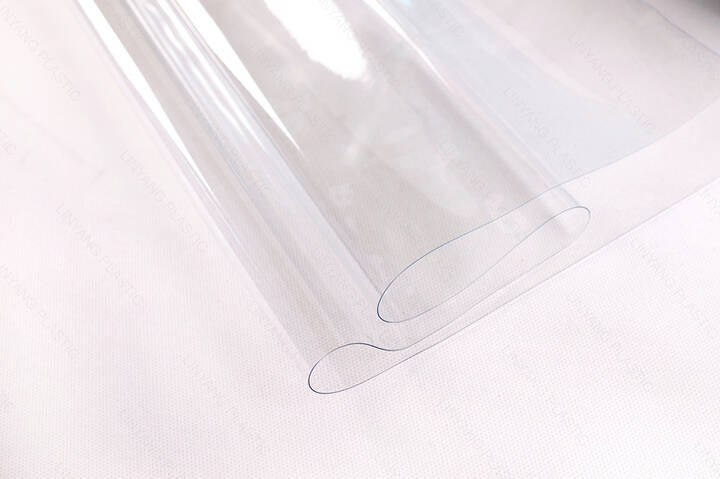
When sourcing plastic materials, businesses need to consider more than the quoted price. The quality, thickness, clarity, flexibility, and intended application all influence long-term performance. Before ordering Transparent PVC Film in large quantities, it is important to understand the available grades, confirm supplier capabilities, and ensure that the material meets your production requirements.
1. Understand Your Application Requirements
The first step in bulk purchasing is identifying exactly how the film will be used. Different applications require different material characteristics, so a grade suitable for one purpose may not perform well in another.
For example, packaging manufacturers may prioritize optical clarity and sealing compatibility, while industrial users may focus more on durability and flexibility.
Consider the following questions before contacting suppliers:
- Will the film be used for packaging, protective covers, or industrial applications?
- Does the finished product require high transparency?
- Will the material need to be folded, wrapped, cut, or thermoformed?
- Will it be exposed to moisture, heat, or sunlight?
- Does the application require specific safety or regulatory approvals?
Clear requirements make it easier to compare products and avoid purchasing unsuitable material.
2. Check the Film Thickness
Thickness is one of the most important specifications when buying PVC film in bulk. It directly affects flexibility, handling, strength, and suitability for different production processes.
A thinner film may be appropriate for lightweight packaging and applications requiring greater flexibility. Thicker grades can provide additional resistance to handling damage and may be better suited to protective applications.
Before placing an order, confirm the required thickness and its acceptable tolerance.
It is also useful to request sample measurements or technical specifications to verify that the supplier can maintain consistent thickness across production batches.
3. Evaluate Transparency and Optical Clarity
For applications where product visibility matters, clarity should be a major purchasing consideration.
A good-quality transparent film should provide a clear view of the packaged item without excessive haze, discoloration, or visible surface defects.
When evaluating samples, look for:
- Consistent transparency across the entire sheet or roll.
- Minimal haze or cloudiness.
- No noticeable bubbles or embedded particles.
- Smooth and uniform surface appearance.
- Consistent color throughout the material.
These characteristics are particularly important for retail packaging, display covers, and products where visual presentation influences customer perception.
4. Assess Flexibility and Mechanical Strength
PVC film is available in different formulations, which can influence its softness, flexibility, and resistance to physical stress.
Some applications require a material that bends easily around products, while others need a firmer film that maintains its shape during handling.
Bulk buyers should check whether the selected grade can withstand the bending, stretching, folding, or forming processes involved in production.
Requesting samples for practical testing can help identify potential problems before committing to a large order.
5. Confirm Processing and Machinery Compatibility
Even a high-quality material may cause production difficulties if it is not compatible with existing equipment.
Before purchasing, confirm whether the film is suitable for the intended manufacturing process. Depending on the application, this may include:
- Heat sealing.
- Thermoforming.
- Printing.
- Cutting and trimming.
- Lamination.
- Folding and wrapping.
Ask the supplier for recommended processing temperatures and other relevant operating guidelines when necessary.
Testing the film on your own machinery is especially useful because actual production conditions can differ from laboratory specifications.
6. Review Technical Specifications and Quality Standards
Reliable purchasing decisions should be based on documented product information rather than appearance alone.
Ask suppliers to provide a technical data sheet containing relevant details about the material.
Depending on the intended use, important specifications may include:
| Specification | Why It Matters |
|---|---|
| Thickness and tolerance | Helps maintain consistent production quality |
| Transparency and haze | Determines visual clarity |
| Tensile properties | Indicates resistance to pulling forces |
| Elongation | Shows how the film behaves when stretched |
| Hardness or flexibility | Helps determine suitability for different applications |
| Thermal properties | Supports appropriate processing decisions |
| Chemical composition | Helps verify material suitability and compliance |
For regulated applications, request applicable certifications, test reports, and compliance documentation.
7. Compare Supplier Reliability
Choosing the right supplier is just as important as selecting the right material.
A dependable supplier should be able to provide consistent product specifications, clear communication, and realistic delivery schedules.
When comparing potential suppliers, consider:
- Experience in manufacturing or supplying PVC film.
- Ability to meet your required specifications.
- Production capacity for large orders.
- Availability of technical documentation.
- Quality inspection procedures.
- Communication and after-sales support.
- History of meeting agreed delivery schedules.
It is also useful to ask whether the supplier can maintain the same formulation and specifications for repeat orders.
8. Calculate the Total Purchasing Cost
The lowest quoted price does not always represent the best value.
Bulk buyers should evaluate the complete cost of purchasing and using the material. Additional expenses can influence the final price per usable unit.
Consider factors such as:
- Unit price and minimum order quantity.
- Shipping and freight charges.
- Import duties and applicable taxes.
- Packaging and handling costs.
- Storage requirements.
- Production waste caused by inconsistent quality.
- Potential delays or replacement costs.
A slightly higher-priced material may provide better value if it reduces production waste and delivers more consistent performance.
Request detailed quotations from multiple suppliers using the same specifications to make comparisons more meaningful.
9. Check Minimum Order Quantity and Production Capacity
Manufacturers and distributors often establish minimum order quantities based on production processes and packaging requirements.
Before negotiating a bulk purchase, confirm that the supplier’s minimum order quantity matches your business needs.
You should also evaluate whether the supplier can support future demand. A supplier may be suitable for a one-time purchase but unable to maintain the volume required for regular production.
Discuss expected monthly or quarterly requirements and ask about lead times for repeat orders.
10. Review Packaging, Storage, and Transportation Conditions
PVC film can be affected by unsuitable storage and handling conditions.
Large orders may remain in storage for extended periods, so the material should arrive properly packed and protected.
Before purchasing, confirm:
- Whether rolls or sheets are packed securely.
- Whether the packaging protects against dust and surface damage.
- Whether the material is protected from excessive heat.
- Whether rolls are properly supported during transportation.
- Whether storage recommendations are provided.
Once delivered, store the film in a clean, dry location and follow the manufacturer’s handling instructions.
11. Request Samples Before Placing a Large Order
One of the most effective ways to reduce purchasing risk is to test a sample before committing to bulk quantities.
A sample allows your team to evaluate the material under actual operating conditions.
Check its appearance, thickness, flexibility, sealing behavior, and compatibility with production equipment.
If possible, conduct a small production trial rather than relying only on visual inspection. This can reveal issues that may not be apparent when examining an unused sample.
For repeat purchases, retain an approved reference sample so future deliveries can be compared against the original material.
12. Understand Payment Terms and Delivery Agreements
Commercial purchasing involves more than product specifications and pricing. Clear agreements help prevent misunderstandings between buyers and suppliers.
Before confirming an order, review the payment schedule, production lead time, shipping arrangements, and delivery terms.
The purchase agreement should clearly state:
- Product grade and specifications.
- Ordered quantity.
- Unit price and total cost.
- Production and dispatch schedule.
- Packaging requirements.
- Inspection and acceptance procedures.
- Procedures for handling defective or nonconforming goods.
Written confirmation of these details can make bulk transactions easier to manage.
Common Mistakes to Avoid When Buying Transparent PVC Film in Bulk
Even experienced buyers can overlook important details when focusing mainly on price or delivery speed.
Avoid these common mistakes:
Choosing based only on price: Low-cost film may have inconsistent thickness, poor clarity, or unsuitable processing characteristics.
Skipping sample testing: A product that looks acceptable may still perform poorly on production machinery.
Ignoring thickness tolerances: Small variations can affect finished product quality and manufacturing efficiency.
Overlooking supplier capacity: An inability to fulfill repeat orders can disrupt production planning.
Failing to verify documentation: Missing technical information can create problems, especially in regulated applications.
Ordering excessive quantities: Large purchases without accurate demand forecasting can increase storage costs and tie up working capital.
Conclusion
Bulk purchasing of transparent PVC film requires careful evaluation of material properties, supplier capabilities, pricing, and production requirements. Factors such as thickness, optical clarity, flexibility, processing compatibility, and quality consistency should be reviewed before placing a large order.
Businesses can reduce purchasing risks by requesting samples, checking technical documentation, comparing complete quotations, and establishing clear delivery agreements. Working with a supplier that understands your specifications and can maintain consistent quality also supports long-term procurement planning.
A structured purchasing process helps manufacturers and distributors secure suitable materials, control costs, and maintain reliable production operations.