Dinosaur-themed attractions have become popular features in amusement parks, shopping malls, family entertainment centers, and recreational venues. Their imaginative designs and recognizable prehistoric characters appeal to young visitors, making them an effective way to create engaging family experiences. Among the available options, ride-on attractions offer children an opportunity to interact with dinosaur characters while enjoying a fun recreational activity.
A well-designed Dinosaur Ride On attraction combines an appealing dinosaur appearance with suitable movement, comfortable seating, and practical operating features. However, selecting the right model involves more than choosing an attractive design. Venue operators and buyers should evaluate safety, age suitability, construction quality, operating requirements, and long-term maintenance before making a purchase.
1. Consider the Intended Age Group
Age suitability should be one of the first factors to evaluate when choosing a children’s ride-on attraction. Different models may be designed for different age ranges, body sizes, and levels of physical coordination.
Younger children generally need simpler riding experiences with stable seating and easy-to-understand controls. Older children may be comfortable with additional movement or interactive features, provided the equipment is specifically designed for their age and size.
Before purchasing, review the manufacturer’s recommended age range, rider capacity, height restrictions, and weight limits. These specifications help ensure that the attraction is appropriate for its intended audience.
2. Evaluate the Dinosaur Design
The appearance of a dinosaur ride plays an important role in attracting children’s attention. A recognizable character with colorful details can become a visual highlight in an entertainment area.
Popular Dinosaur Characters
Different dinosaur species offer different visual styles and themes:
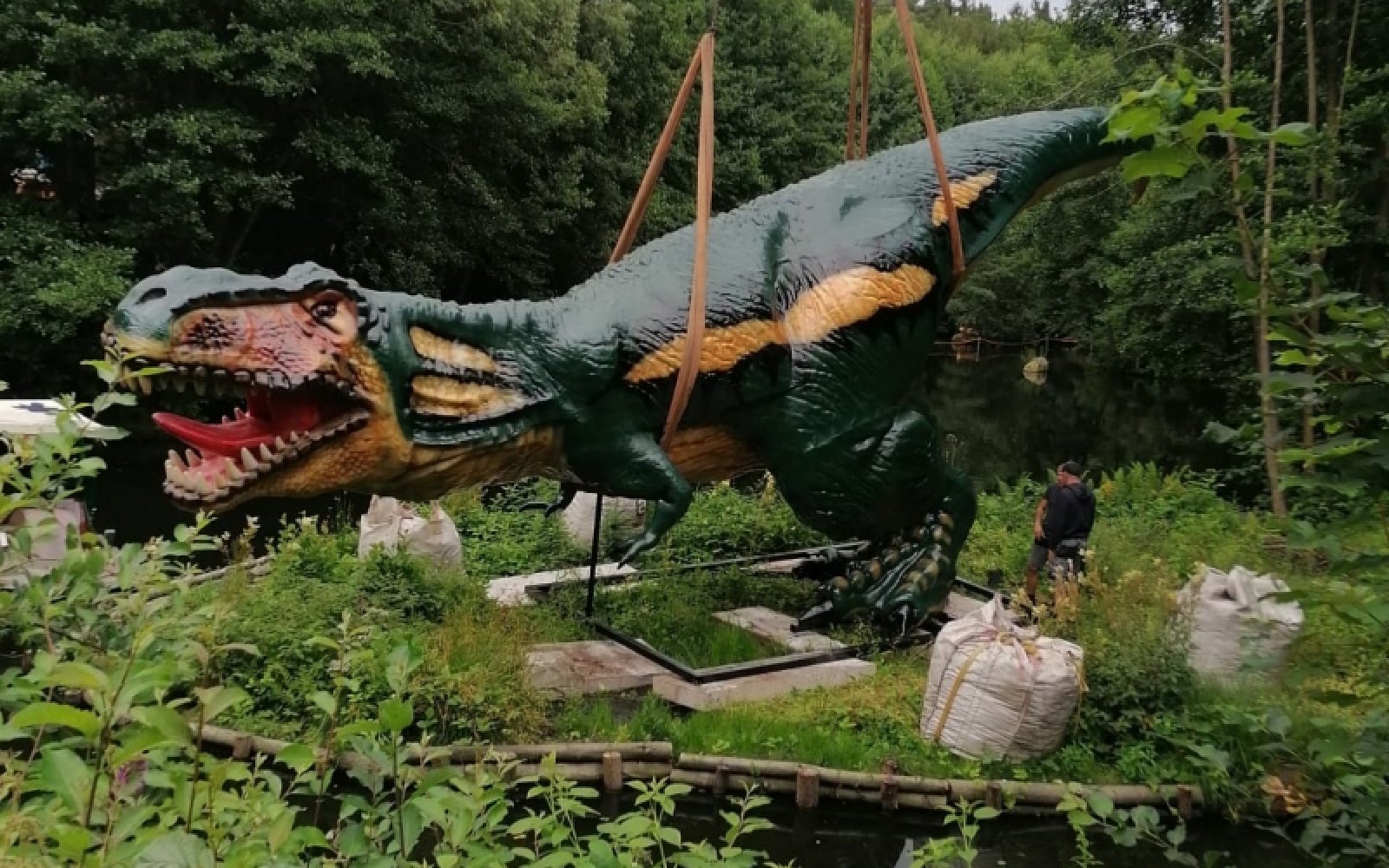
- Tyrannosaurus rex: Its large head and distinctive appearance make it a popular choice for exciting themed attractions.
- Triceratops: Its three horns and protective frill create a recognizable design that can look friendly and appealing.
- Stegosaurus: Its back plates and tail spikes give it a distinctive silhouette.
- Brachiosaurus: Its long neck creates an interesting shape that stands out in themed environments.
- Velociraptor: Its smaller body and agile appearance can suit playful dinosaur concepts.
The selected character should match the venue’s overall theme and the preferences of its target audience.
Color and Surface Details
Bright colors, smooth finishes, and carefully designed facial features can make a ride more attractive. Details such as eyes, scales, teeth, and decorative patterns help create a recognizable dinosaur character.
The finish should also be durable enough to maintain its appearance through regular use and cleaning.
3. Check Comfort and Seating Design
Children need a comfortable and properly supported seating arrangement to enjoy a ride. Poorly designed seating can make the experience uncomfortable and may affect the rider’s position during operation.
Important features to examine include:
- Seat dimensions suitable for the intended age group.
- Appropriate back support where provided.
- Secure handholds for maintaining balance.
- Convenient foot placement.
- Smooth and accessible entry and exit points.
- Restraints or safety features specified by the manufacturer.
The seating arrangement should allow children to remain properly positioned throughout the ride. Operators should follow all manufacturer instructions regarding rider placement and supervision.
4. Review Movement and Riding Features
The movement system determines much of the attraction’s entertainment value. Different dinosaur ride-on models may offer rocking, bouncing, rotation, or other controlled movements.
Some products are designed for gentle motion, while others may include more interactive operating functions. The best option depends on the intended users and the environment where the attraction will be installed.
When comparing models, consider:
- Whether the movement is suitable for young children.
- How smoothly the ride starts, operates, and stops.
- Whether the controls are straightforward for staff.
- Whether movement can be adjusted or programmed.
- What operating conditions and limitations the manufacturer specifies.
The attraction should provide an enjoyable experience without unnecessary complexity.
5. Prioritize Safety and Stability
Safety is essential for every children’s amusement attraction. A visually appealing design should never take priority over reliable construction and appropriate operating procedures.
Before purchasing, examine the following areas:
Stable Structure
The ride should have a suitable base and structural design to support its intended load. Stability is particularly important during movement and when children enter or leave the attraction.
Reliable Safety Features
Depending on the model, safety features may include seat restraints, handholds, protective covers, and controlled movement systems. Buyers should verify which features are included rather than assuming that every model provides the same equipment.
Electrical Safety
Powered rides require appropriate electrical components and installation procedures. Wiring, switches, connections, and power supplies should be suitable for the intended environment.
Clear Operating Instructions
Operators should receive instructions covering rider restrictions, starting and stopping procedures, emergency shutdown, and routine inspection.
Adult Supervision
Children should be supervised according to the manufacturer’s requirements. Clear signs can help parents and caregivers understand age limits, riding rules, and other restrictions.
6. Assess Material Quality and Durability
A ride-on attraction may be used many times each day, particularly in busy commercial venues. Its materials and construction should therefore be suitable for repeated operation.
Common materials and components may include:
- Fiberglass: Often used for detailed dinosaur shells and decorative exterior structures.
- Reinforced frames: Provide internal support and help maintain structural stability.
- Durable surface finishes: Help protect the exterior from scratches, dirt, and routine wear.
- Mechanical components: Support movement and should be selected for reliable operation.
- Electrical systems: Control powered functions and require appropriate protection and maintenance.
Buyers should ask about material specifications, manufacturing quality, expected operating conditions, and recommended maintenance procedures.
7. Choose the Right Size for the Available Space
The physical dimensions of a dinosaur ride-on attraction can affect where it can be installed and how visitors interact with it.
Before selecting a model, measure the proposed location and consider the equipment’s full operating footprint. Additional space may be necessary for children to approach the ride, enter and exit safely, and wait for their turn.
For indoor venues, check doorway dimensions, ceiling clearance, floor capacity, and access for transporting the equipment. Outdoor installations require additional consideration of the ground surface, weather exposure, and suitable protection.
A well-planned layout can improve visitor flow and make supervision easier.
8. Compare Operating and Maintenance Costs
The purchase price is only one part of the total investment. Venue operators should also consider electricity consumption, servicing, replacement parts, cleaning supplies, and potential repair costs.
A practical evaluation should include:
- Initial purchase and delivery expenses.
- Installation and setup requirements.
- Regular electricity or operating costs.
- Routine inspection and maintenance expenses.
- Availability of replacement parts.
- Technical support and repair arrangements.
Comparing these factors can help buyers understand the long-term financial requirements of owning and operating the attraction.
9. Consider Where the Attraction Will Be Used
The intended location can influence which model is most suitable. Different venues have different space limitations, visitor patterns, and operating requirements.
Shopping Malls
Shopping centers often need compact attractions that can fit into children’s entertainment zones or open public areas. A colorful dinosaur ride can provide a short activity for young visitors while families shop or dine.
Family Entertainment Centers
These venues may operate several attractions in the same area. Choosing a dinosaur ride that complements existing games and play equipment can help create a consistent entertainment theme.
Amusement Parks
Amusement parks may use dinosaur ride-on attractions in dedicated children’s sections. The model should suit the park’s visitor volume, operating schedule, and overall safety procedures.
Restaurants and Resorts
Family restaurants, hotels, and resorts may use smaller attractions to improve their children’s entertainment facilities. Space planning and supervision are particularly important in these settings.
Temporary Events
Fairs, festivals, and promotional events may require equipment that can be transported and installed efficiently. Buyers should check the model’s weight, assembly requirements, and transportation arrangements.
10. Look for Easy Operation and Maintenance
An attraction that is difficult to operate or maintain can create unnecessary challenges for venue staff. Simple controls and accessible maintenance points can make daily management more efficient.
Before selecting a product, ask whether the supplier provides:
- A user manual and operating instructions.
- Installation guidance.
- Routine maintenance recommendations.
- Troubleshooting information.
- Access to replacement components.
- Technical assistance when needed.
Regular inspections should cover the structure, seating, movement system, electrical components, and visible exterior surfaces. Any unusual noise, movement, or malfunction should be investigated before the ride returns to service.
11. Explore Customization Options
Some projects may benefit from customized dinosaur designs. Customization can help an attraction match a venue’s visual identity or a particular entertainment theme.
Potential options may include:
- Different dinosaur species and body poses.
- Customized colors and surface patterns.
- Decorative logos or themed graphics.
- Additional lighting or sound effects.
- Selected movement functions.
- Special finishes for particular environments.
Not every supplier offers the same customization options, so buyers should confirm technical feasibility, additional costs, and production timelines before placing an order.
12. Questions to Ask Before Purchasing
A structured supplier evaluation can help prevent misunderstandings and make product comparisons easier.
Consider asking these questions:
- What age group and rider weight range is the model designed for?
- What are its dimensions and space requirements?
- Which safety features are included?
- What movement functions does it provide?
- Which materials are used in its construction?
- Is the model suitable for indoor or outdoor installation?
- What electrical supply does it require?
- How often should it be inspected and serviced?
- Are replacement parts and technical support available?
- What are the delivery, installation, and warranty arrangements?
Clear answers help buyers evaluate whether a product meets their operational and commercial needs.
Conclusion
Choosing the right dinosaur ride-on attraction requires careful consideration of design, comfort, safety, durability, movement features, and operating costs. The ideal model should appeal to children while meeting the practical requirements of the venue where it will be installed.
By reviewing manufacturer specifications, comparing construction quality, planning the installation area, and establishing regular maintenance procedures, buyers can make a more informed investment. A thoughtfully selected dinosaur attraction can become an enjoyable feature of shopping malls, amusement parks, family entertainment centers, and other destinations that welcome young visitors.