A paper cup may look simple when it reaches a customer, but producing it consistently requires carefully selected materials and dependable manufacturing processes. The paperboard must suit the cup’s dimensions, the coating must match its intended application, and the converted blank must fit the forming equipment. For businesses sourcing custom cup materials, choosing the right supplier is therefore an important purchasing decision.
Working with a Custom Kraft Paper Cup Fan Supplier can help a business obtain fan-shaped blanks that match its product requirements. However, a suitable supplier should offer more than a competitive quotation. Material knowledge, specification control, production consistency, communication, and delivery reliability all contribute to a successful supply relationship.
Begin With Your Product Requirements
Before contacting manufacturers, define the type of cups your business intends to produce. Consider the cup sizes, intended beverage applications, expected production volume, and forming machinery. These details help suppliers understand what kind of paper fan is required.
A useful specification should cover:
- Required cup capacity and dimensions
- Paperboard grammage and thickness
- Kraft paper appearance and grade
- Coating type and coating weight, where applicable
- Printing requirements and artwork
- Expected order quantity
- Packaging and delivery preferences
Providing accurate information at the beginning makes quotations easier to compare. It also reduces the risk of receiving a material that appears suitable but does not work properly on the production line.
Examine the Supplier’s Material Knowledge
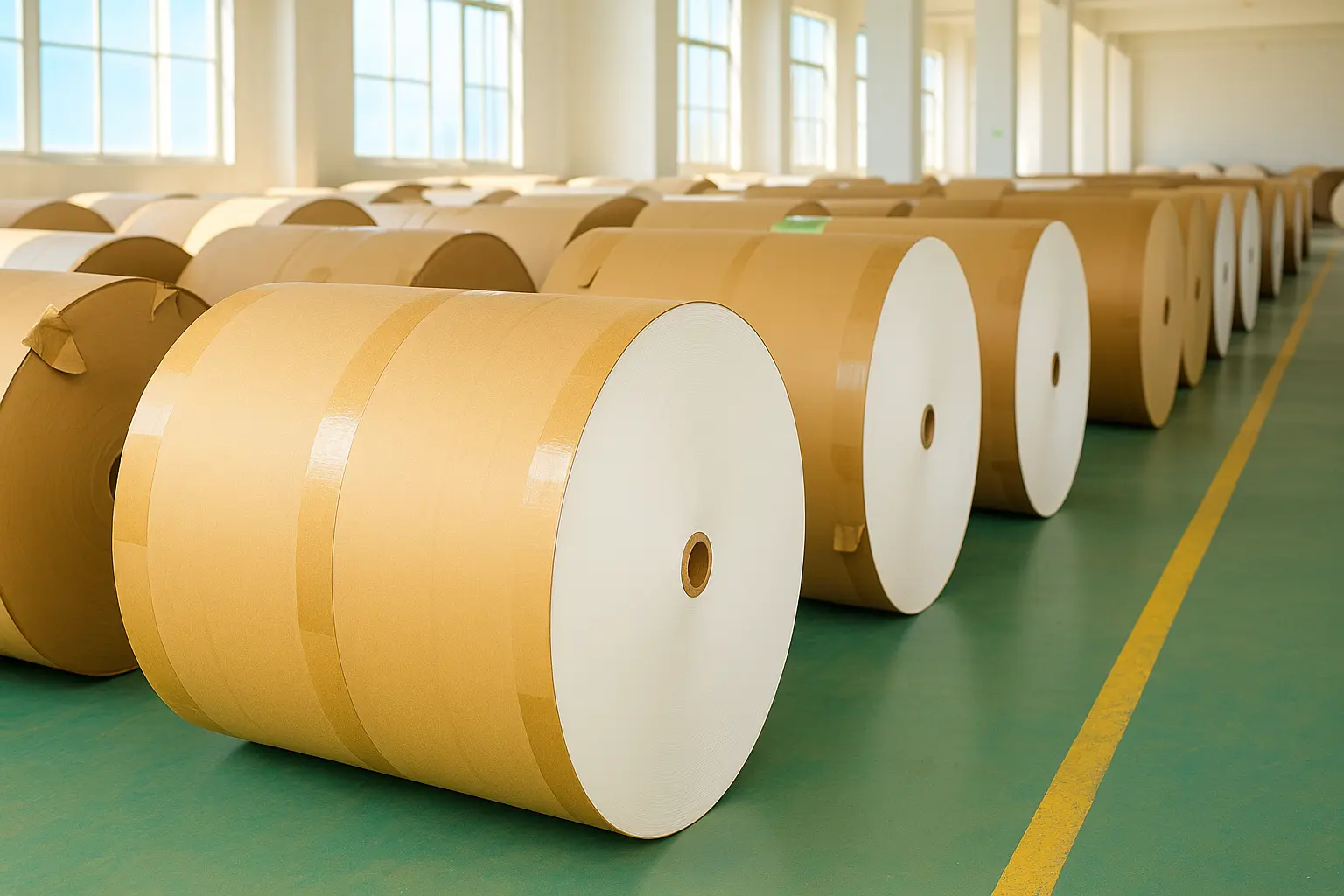
Kraft paper is available in different grades and specifications. Its appearance alone does not determine whether it is appropriate for a particular cup. Buyers should ask suppliers to explain the available paper options and how those options relate to cup size, stiffness, converting, and intended use.
Coating is another important consideration. Depending on the product design, paper cup stock may use a polyethylene coating or another specified barrier system. The coating arrangement should be selected according to the beverage application, forming process, and applicable food-contact requirements.
A capable supplier should be able to explain the material being offered without relying on vague descriptions. Request technical data covering grammage, thickness, coating details, and other relevant properties. For food-contact applications, ask for documentation applicable to the intended market and use.
Check Customization Capabilities
Customization can involve more than printing a company logo. A business may need particular fan dimensions, cup sizes, paper grades, coating specifications, or artwork arrangements.
Ask the supplier which elements can be customized and which are restricted by available machinery or material specifications. Confirm whether the supplier can work from technical drawings, approved samples, or established cup dimensions.
Artwork preparation deserves attention as well. Printing files should be checked for dimensions, color requirements, positioning, and any technical limitations. A pre-production proof or sample can help identify problems before a larger order is manufactured.
Not every customization request is automatically practical. The supplier should communicate tooling limitations, minimum order quantities, production lead times, and any additional setup requirements clearly.
Evaluate Quality Control Procedures
Consistent fan quality is essential for efficient cup forming. Variations in dimensions, cutting accuracy, paper condition, or coating can affect how blanks move through production equipment.
Ask prospective suppliers how they inspect incoming raw materials and finished fan blanks. Useful checks may include:
- Dimensional accuracy: Blanks should match the agreed specifications and fit the intended forming process.
- Cutting quality: Edges should be clean and consistent, without excessive burrs or unwanted deformation.
- Printing consistency: Printed designs should maintain acceptable registration, color appearance, and positioning.
- Material condition: Paper should be protected from moisture, dirt, and handling damage.
- Coating consistency: The supplied material should conform to the agreed coating specification.
Where possible, request a sample batch and test it on your own cup-forming equipment. A supplier’s inspection report is helpful, but an actual production trial provides additional evidence of compatibility.
Compare Communication and Order Management
A good supplier relationship depends on clear communication throughout the purchasing process. Pay attention to how quickly a potential supplier responds, whether its answers are specific, and whether it confirms important details in writing.
A quotation should clearly identify the material specification, quantity, unit price, packaging method, payment terms, and estimated delivery schedule. Clarify how changes to artwork or specifications are handled after an order has been approved.
It is also useful to ask how the supplier manages repeat orders. If your business relies on regular production, consistent specifications and documented order records can make replenishment easier. Confirm whether the same material grade can be supplied over time and how any proposed changes will be communicated.
Consider Samples Before Placing a Large Order
Samples provide an opportunity to examine appearance, dimensions, printing, and handling characteristics. They can also be used to test whether the paper fans work smoothly with your equipment.
During a trial, observe feeding, alignment, side-seam formation, bottom attachment, and the overall shape of finished cups. The exact checks will depend on your machinery and cup design. Record the results so that future batches can be compared against an approved reference.
Avoid approving a supplier solely because a sample looks attractive. Production performance and repeatability matter just as much as appearance.
Look Beyond the Initial Price
The lowest quotation may not represent the best purchasing value. Material waste, machine interruptions, inconsistent quality, delayed deliveries, and repeated adjustments can increase the real cost of sourcing.
Compare suppliers using the complete specification and the service they provide. A slightly higher material price may be reasonable when supported by better consistency, clear documentation, dependable communication, and reliable delivery performance.
Build a Reliable Long-Term Supply Relationship
Finding the right custom kraft paper cup fan supplier involves matching material capability with your production requirements. Define your specifications, check technical knowledge, examine quality procedures, test samples, and compare commercial terms carefully.
Once a supplier has demonstrated consistent performance, maintain approved specifications and communicate forecasts early. This approach can make purchasing more predictable and help your business maintain a stable supply of paper cup materials as production needs develop.