Industrial control systems must often accommodate changes that were not fully known when the original plant was designed. A manufacturer may add a production cell, relocate a machine, install new inspection equipment, or increase the number of measurements collected from a process. If the control architecture is difficult to expand, even a modest change can require extensive rewiring and cabinet modifications. Flexible I/O architecture helps reduce this limitation by allowing signal connections to be distributed across the facility.
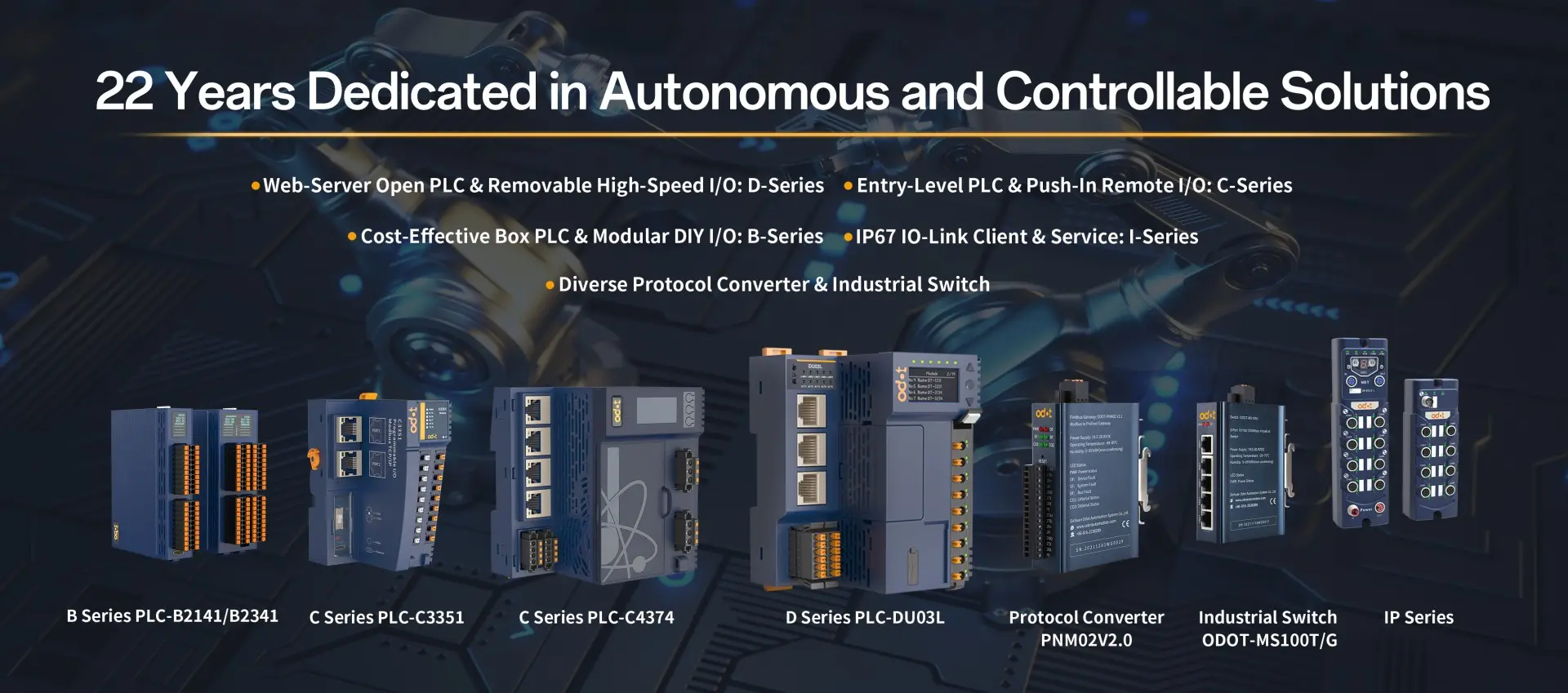
Modern Remote Io Solutions connect field devices to controllers through distributed stations that can be placed near individual machines or process areas. This approach makes it possible to build a control system from defined sections rather than relying entirely on one central collection point. Scalability, however, depends on network capacity, controller resources, compatible hardware, and a realistic plan for future development.
Building Around Production Zones
A flexible automation design begins by identifying natural divisions within the facility. These may be production lines, machine cells, process stages, utility areas, or separate buildings. Each zone can have its own remote I/O station or group of stations.
Local devices connect to the nearest suitable station, while the network carries process information to the controller. This physical arrangement can make the system easier to document because signal connections correspond to identifiable areas.
For machine builders, the same principle supports standardized equipment modules. A conveyor section or packaging unit can be designed with a defined I/O arrangement and network connection. Reusing the same architecture across similar machines can reduce engineering variation and simplify spare-parts management.
Planning for Future Expansion
Scalability should be considered before the first station is installed. Engineers need to understand how many devices may be added, where new equipment is likely to be located, and whether the existing controller and network can support additional data.
A design may reserve spare channels, unused station capacity, or network connection points. The appropriate amount depends on the likelihood and cost of expansion. Leaving a small practical margin can be useful, but excessive unused hardware may raise the initial project cost.
Expansion also involves software. New stations need configuration, addresses, data mapping, controller logic, alarms, and updated documentation. A system is not truly scalable if adding a device requires undocumented changes throughout the control program.
Selecting a Communication Structure
Remote I/O products use different communication protocols. PROFINET, EtherCAT, Modbus TCP, Modbus RTU, and other industrial networks each have specific capabilities and engineering requirements.
The selected protocol should be compatible with the controller and suitable for the required response time and network layout. Where a plant uses more than one protocol, gateways may provide an integration path, but they introduce additional configuration and troubleshooting considerations.
Network segmentation can help organize traffic and support cybersecurity. Industrial control devices should not be connected casually to general office networks. Access should be controlled, and remote maintenance should use approved secure methods.
Adapting to Different Signal Requirements
A flexible solution should accommodate the actual field devices rather than forcing the application into an unsuitable module configuration. Digital signals, analog measurements, temperature inputs, pulse signals, and specialized interfaces may require different modules.
The design should consider future measurement needs as well. A process that currently monitors only motor run status may later require current, vibration, or temperature measurements for condition monitoring. It may be practical to reserve space or network capacity for such additions if they are likely.
Signal ranges, channel isolation, accuracy, and electrical loading must still be checked for every application. Flexibility does not remove the need for technical compatibility.
Maintaining Availability During Changes
Expanding an operating facility can be difficult because production interruptions may be costly. Distributed I/O can help isolate modifications to particular zones, although the extent of isolation depends on the network and control architecture.
Before making changes, engineers should identify whether a station or network segment can be modified without affecting other equipment. Redundancy, where required, must be designed into the appropriate parts of the system rather than added as an afterthought.
Change control is equally important. Updated drawings, software versions, station configurations, and commissioning records should be maintained whenever equipment is added or relocated.
Environmental and Lifecycle Considerations
Stations installed near field equipment may experience dust, moisture, heat, vibration, or electromagnetic interference. Selecting suitable enclosures and hardware ratings is essential. Power distribution, grounding, and cable protection also influence long-term reliability.
Lifecycle planning should include product availability, firmware support, engineering tools, replacement procedures, and spare modules. A flexible architecture is most valuable when it can be maintained throughout the expected service life of the facility.
Conclusion
Remote I/O solutions support flexible industrial control by distributing signal interfaces and allowing systems to grow in defined sections. Their scalability depends on more than adding modules: controller capacity, network design, software standards, environmental suitability, and change management all matter. With these elements addressed early, a distributed architecture can accommodate production changes without making the control system unnecessarily difficult to maintain.