A basin intended for ablution must do more than look appropriate in a bathroom. It needs to support repeated washing, provide a comfortable position for users, and remain easy to maintain in a wet environment. Material, shape, dimensions, and installation method all affect how well the fixture performs. Reviewing these factors together helps homeowners and facility managers choose a product that suits the room and its expected level of use.
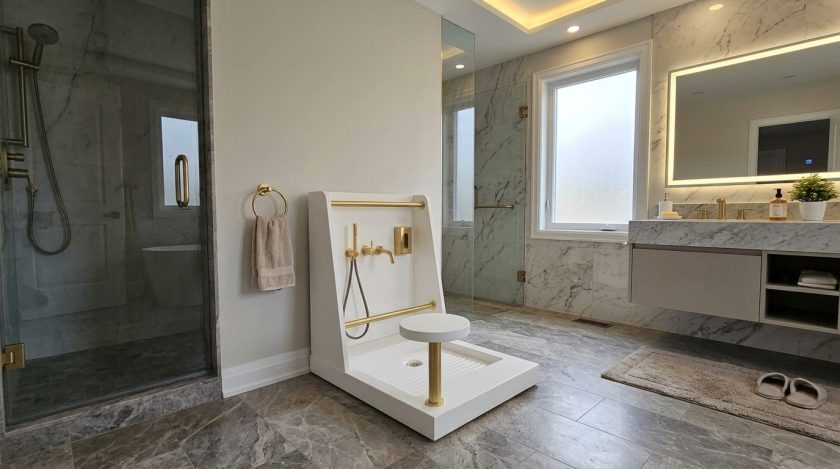
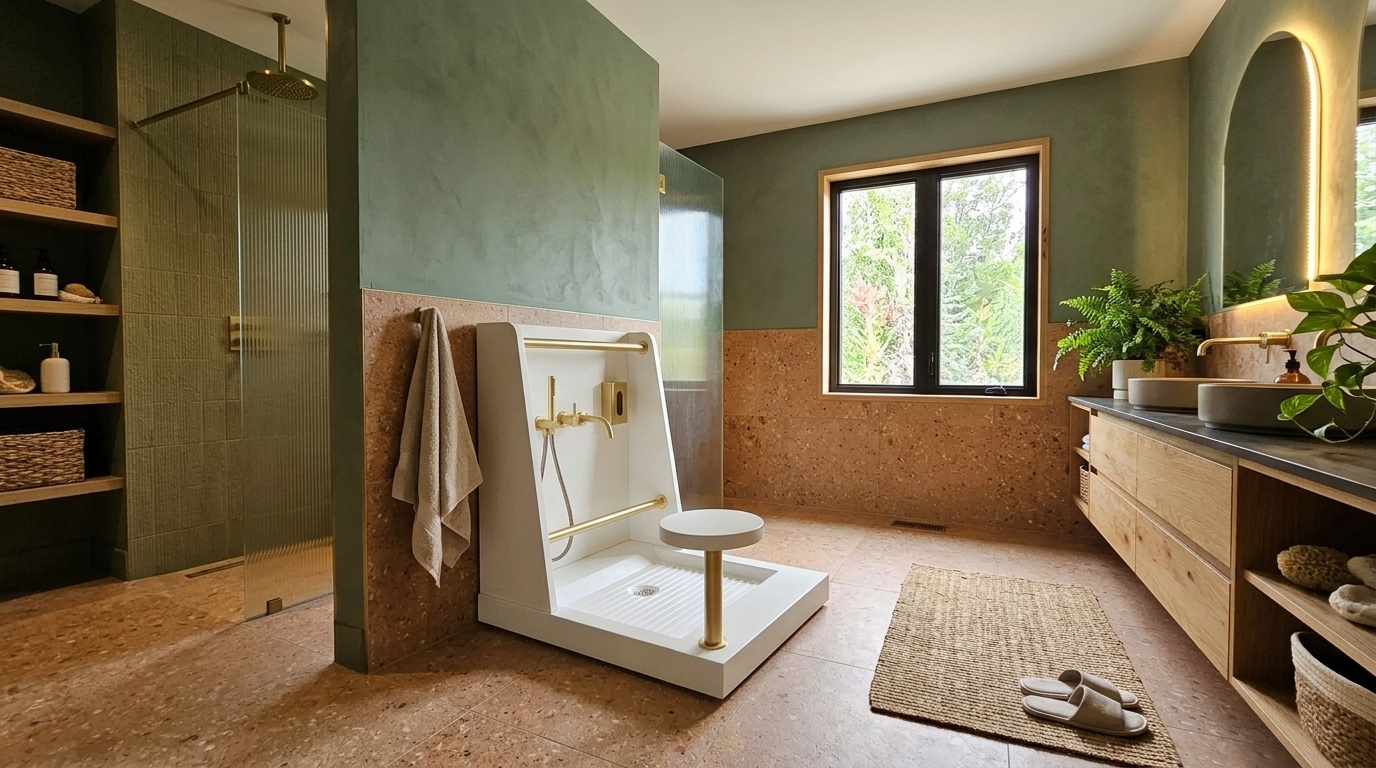
A Wudu basin is designed around the practical requirements of washing during wudu. Depending on the model, it may feature a lower washing area, a dedicated foot-washing section, a wider bowl, or tapware arranged for convenient rinsing. These features are not standardized across all products, which makes it important to compare detailed specifications rather than rely on broad descriptions.
Understanding Common Basin Materials
Ceramic is a familiar choice for bathroom basins. It has a smooth, finished surface and is available in many shapes and colours. Its suitability depends on the quality of the product and the care instructions provided by the manufacturer. Buyers should ask about resistance to everyday cleaning products and the correct way to deal with chips or surface damage.
Solid-surface materials are another option. They can be manufactured into different shapes and may allow smooth transitions between the bowl and surrounding surfaces. Their weight, repair characteristics, and cleaning requirements vary by product, so check the technical information before purchase.
Natural stone may appeal to buyers seeking a distinctive appearance, but it can require more specialized care. Some stones are more porous than others and may need sealing or specific cleaning products. The material should be selected for its performance in a frequently wet area, not just its visual effect.
Choose a Shape That Supports the Washing Routine
The basin’s shape determines how much room users have and how effectively water is contained. A broad bowl may provide space for rinsing, while a deeper design can help reduce splashes. However, a basin that is too large may be difficult to fit into a compact bathroom.
Some ablution fixtures include a separate lower area for foot washing. Others rely on a wider or specially contoured basin. Buyers should check the dimensions of any dedicated section and consider whether users can reach it comfortably. Internal corners and transitions should also be considered because complicated shapes may take longer to clean.
Dimensions and Installation Style
Measure the proposed location before comparing products. Record the available width, depth, and height, then check the clearance needed in front of the basin. The fixture should not interfere with a door, shower enclosure, or main walkway.
Wall-mounted basins can create an open appearance and leave floor space visible. They require suitable wall support and secure mounting hardware. Floor-supported designs may be appropriate where wall reinforcement is impractical or where the plumbing arrangement favours a floor connection. Confirm the installation method with the supplier before ordering.
Tapware and Drainage Compatibility
A basin is only as practical as the fittings connected to it. Check whether the product includes a tap and waste fitting or whether these must be purchased separately. The tap’s spout should reach the washing area, and its controls should be convenient for the intended users.
The waste outlet must match the building’s plumbing. Confirm its size, position, and installation requirements using the manufacturer’s drawing. If several basins are planned, a plumber should assess whether the drainage system can handle simultaneous use.
Finishes and Cleaning Requirements
A smooth finish can make routine cleaning easier, but different materials respond differently to cleaners and abrasive tools. Ask the supplier for written maintenance instructions. Regularly remove residue, wipe the tap area, and inspect the drain for buildup. In shared facilities, accessible fittings can make maintenance faster and reduce disruption.
Compare Value Beyond the Purchase Price
The full cost includes the basin, tapware, mounting components, delivery, plumbing alterations, waterproofing, and installation. Warranty terms, replacement-part availability, and expected maintenance should also be considered. A product with a lower initial price may be less economical if it requires complicated fitting or specialist care.
Select for Long-Term Practicality
The best basin balances material performance, suitable dimensions, comfortable access, and reliable drainage. By checking these details before buying, property owners can select a fixture that suits its environment and remains manageable through years of regular use.