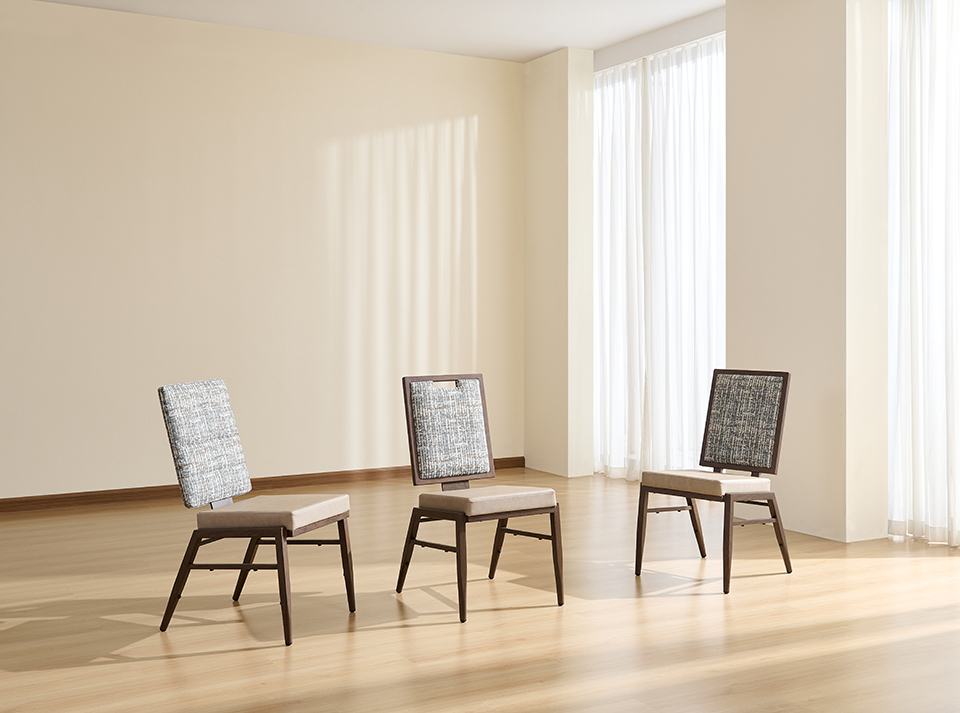
Metal wood grain chairs are a perfect example of how modern manufacturing blends technology with design. These chairs offer the visual charm of wood while maintaining the strength and durability of metal. Understanding how they are made helps explain why they have become such a reliable and widely used furniture option.
At a glance, these chairs may look like traditional wooden seating, but their construction process is far more advanced. From raw materials to finishing touches, each step is carefully designed to ensure both performance and aesthetics. To explore more about their features and variations, you can visit this detailed page on the Metal Wood Grain Chair, which provides additional insights into their design and applications.
Table of Contents
ToggleStep 1: Selecting the Base Material
The process begins with choosing the right metal. Manufacturers typically use aluminum or steel due to their strength, corrosion resistance, and long lifespan.
- Aluminum is lightweight and resistant to rust
- Steel offers higher strength and load-bearing capacity
The choice depends on the intended use of the chair, whether for indoor, outdoor, or heavy-duty commercial environments.
Step 2: Frame Fabrication
Once the material is selected, the metal is cut, bent, and welded into the desired chair shape. This stage defines the structure and stability of the final product.
Precision is critical here. Advanced machinery ensures that each component is accurately shaped and assembled. The result is a मजबूत frame that can withstand frequent use without losing its integrity.
Step 3: Surface Preparation
Before applying the wood grain finish, the metal surface must be properly prepared. This step ensures that the coating adheres effectively and lasts longer.
The preparation process typically includes:
- Cleaning to remove dust, oil, or contaminants
- Sanding or polishing for a smooth surface
- Applying a base coating to enhance adhesion
Proper preparation is essential for achieving a high-quality finish.
Step 4: Powder Coating Base Layer
A powder coating layer is applied to the metal frame to create a durable base. This coating not only protects the metal from corrosion but also provides a foundation for the wood grain effect.
The coated frame is then heated in an oven, allowing the powder to melt and form a uniform, hard layer. This step significantly improves the chair’s resistance to wear and environmental factors.
Step 5: Wood Grain Transfer Process
This is the most distinctive part of the manufacturing process. A special heat transfer technique is used to apply the wood grain pattern onto the metal surface.
The process involves:
- Wrapping the coated metal frame with a printed wood grain film
- Placing the wrapped frame into a high-temperature chamber
- Allowing heat and pressure to transfer the pattern onto the surface
The result is a realistic wood-like texture that closely mimics natural grain patterns.
Step 6: Curing and Finishing
After the wood grain pattern is applied, the chair undergoes a curing process. This step ensures that the finish is permanently bonded to the metal surface.
Additional finishing touches may include:
- Protective top coatings for added durability
- Quality checks for consistency and appearance
- Minor adjustments or polishing
These final steps ensure that each chair meets quality standards before reaching the market.
Step 7: Quality Inspection
Before distribution, every chair is inspected to ensure it meets durability and design requirements. Manufacturers check for:
- Structural strength
- Surface finish consistency
- Resistance to scratches and wear
Only chairs that pass these checks are approved for use.
Why This Process Matters
The manufacturing process of metal wood grain chairs is what makes them stand out from traditional furniture. Each step contributes to a product that is:
- Highly durable and long-lasting
- مقاوم to environmental damage
- Visually appealing with a natural wood look
- Easy to maintain over time
This combination of benefits explains their growing popularity in both residential and commercial settings.
Conclusion
Metal wood grain chairs are the result of a carefully engineered process that combines metal fabrication with advanced finishing techniques. From selecting high-quality materials to applying realistic wood grain patterns, every step is designed to deliver both strength and style.
By understanding how these chairs are made, it becomes clear why they are such a practical and attractive choice. Their durability, low maintenance, and timeless appearance make them a valuable addition to modern furniture design.