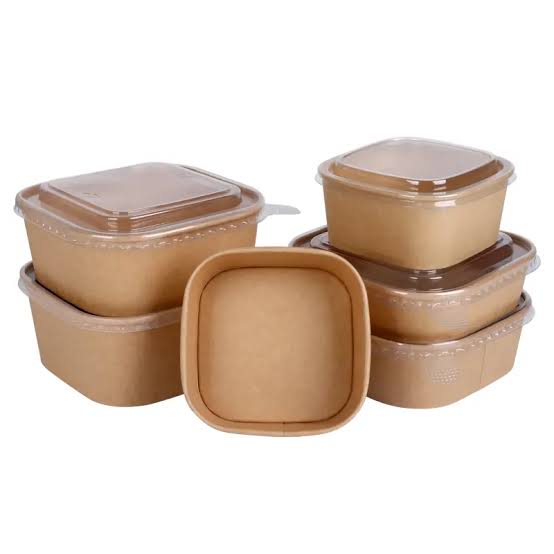
Choosing the right packaging partner is an important decision for restaurants, catering companies, takeaway businesses, and food retailers. A reliable supplier helps maintain packaging consistency, control purchasing costs, and ensure that meals reach customers in good condition. Since paper lunch boxes are used for different food types and serving requirements, businesses should evaluate several factors before committing to a supplier.
Working with an experienced Paper Lunch Box Supplier can help businesses find packaging solutions that match their operational needs. However, selecting a supplier should involve more than comparing prices. Product quality, material safety, production capacity, customization options, and delivery reliability all contribute to a successful long-term partnership.
Material Quality and Food Safety
The quality of materials used in paper lunch boxes directly affects their performance. Food packaging should be strong enough to hold meals without bending, tearing, or leaking during handling and transportation. Businesses should check whether the supplier uses suitable food-grade paper materials and maintains consistent manufacturing standards.
Food safety is another essential consideration. Packaging that comes into direct contact with meals should be manufactured using materials appropriate for food applications. Depending on the intended use, businesses may also need to evaluate grease resistance, moisture protection, and the suitability of coatings or barrier treatments.
Product Range and Available Sizes
Different food businesses require different packaging formats. A supplier with a broad product range can provide options for individual meals, combination dishes, snacks, and larger portions. Having access to multiple sizes and designs makes it easier to select packaging that fits specific menu items.
Before placing an order, consider whether the supplier offers:
- Single-compartment and multi-compartment lunch boxes
- Different capacities and dimensions
- Foldable and easy-to-assemble designs
- Containers suitable for hot and cold foods
- Options for takeaway, delivery, and catering services
A diverse product selection can also simplify purchasing by allowing businesses to source several packaging types from one supplier.
Customization and Branding Capabilities
Custom packaging can help food businesses create a recognizable identity. Printed logos, brand colors, product information, and distinctive designs can make lunch boxes more recognizable while improving the overall presentation of takeaway meals.
When evaluating customization capabilities, ask about available printing methods, artwork requirements, minimum order quantities, and design approval procedures. It is also useful to request a sample or printed proof before approving a large production order. This helps confirm that the final packaging matches the intended appearance.
Pricing and Minimum Order Quantities
Price is an important factor, particularly for businesses that purchase packaging regularly. However, the lowest quoted price does not always represent the best value. Material quality, product durability, printing standards, and shipping expenses should all be considered when comparing suppliers.
Request detailed quotations that explain unit prices, setup charges, customization costs, and transportation fees. Minimum order quantities should also match the business’s storage capacity and expected packaging consumption.
A supplier with flexible order quantities may be more suitable for small restaurants or growing businesses, while larger distributors may benefit from bulk purchasing arrangements.
Production Capacity and Order Consistency
A supplier must be able to handle the volume of packaging required by a business. Restaurants with multiple branches, catering companies, and food distributors may need large quantities within specific timeframes. Limited production capacity can create shortages and interrupt daily operations.
Ask potential suppliers about their manufacturing facilities, production schedules, and ability to manage repeat orders. It is equally important to understand whether product dimensions, material thickness, printing quality, and construction remain consistent across different batches.
Reliable production planning helps businesses maintain a steady packaging supply during busy periods and seasonal demand increases.
Quality Control and Product Testing
Consistent quality is essential for maintaining food presentation and preventing packaging problems. A professional supplier should have quality control procedures throughout the manufacturing process, including material inspection, printing checks, structural evaluation, and finished-product inspection.
Businesses can evaluate quality by requesting samples and testing them under realistic conditions. For example, place different types of food inside the boxes and check their resistance to moisture, grease, pressure, and handling.
Important testing considerations include:
- Whether the box maintains its shape when filled
- Whether the base and sidewalls support the food’s weight
- Whether closures remain secure during transportation
- Whether printing remains clear and consistent
- Whether the packaging performs well with the intended food temperature and moisture level
Practical testing provides a better understanding of product performance than relying on product descriptions alone.
Delivery Reliability and Supply Chain Management
Even high-quality packaging has limited value if orders arrive late. Businesses should evaluate a supplier’s delivery arrangements, production lead times, shipping options, and communication practices.
Ask for realistic delivery estimates and clarify how the supplier handles urgent orders, production delays, or unexpected shortages. Businesses that depend on regular packaging deliveries should also consider whether the supplier can support recurring orders and maintain sufficient production availability.
Clear communication throughout the ordering process helps reduce misunderstandings and makes inventory planning easier.
Certifications and Environmental Responsibility
Environmental considerations are becoming increasingly important in food packaging decisions. Businesses may prefer paper lunch boxes made with responsibly sourced materials or packaging designed to support recycling where appropriate local facilities exist.
However, not all paper packaging is automatically recyclable or compostable. Plastic linings, coatings, adhesives, and food contamination can affect disposal options. Suppliers should provide accurate information about material composition and any relevant environmental certifications.
Where applicable, request documentation that supports claims about recycled content, responsible sourcing, or compostability. Verifiable information allows businesses to make more informed purchasing decisions.
Customer Support and Long-Term Cooperation
A supplier’s service quality can influence the overall purchasing experience. Responsive communication, clear product information, accurate quotations, and effective problem resolution are valuable qualities in a long-term packaging partner.
Before finalizing an agreement, assess how the supplier handles sample requests, customization discussions, order changes, and product complaints. It is also useful to clarify replacement policies for defective products and the process for resolving delivery issues.
Businesses reviewing packaging options from providers such as Uchampak should consider how product selection, customization, and order management fit their ongoing requirements. A dependable working relationship can make future purchasing more efficient as business needs change.
Conclusion
Selecting a suitable paper lunch box supplier requires careful evaluation of product quality, food safety, customization, pricing, production capacity, and delivery performance. Businesses should also examine quality control procedures, environmental claims, and customer support before making a long-term commitment.
Requesting samples, comparing detailed quotations, and discussing operational requirements with potential suppliers can help reduce purchasing risks. By considering these factors together rather than focusing only on cost, food businesses can choose packaging partners that support consistent service, efficient operations, and a positive customer experience.