Industrial projects require dependable valve equipment to maintain efficient fluid handling, regulate pipeline operations, and support system safety. Selecting the right valve involves more than comparing product prices or checking nominal sizes. Buyers must evaluate technical specifications, material quality, manufacturing capabilities, and compatibility with the intended operating environment. For companies sourcing valves from manufacturers in Tianjin, China, understanding these factors can help simplify procurement and reduce potential project risks.
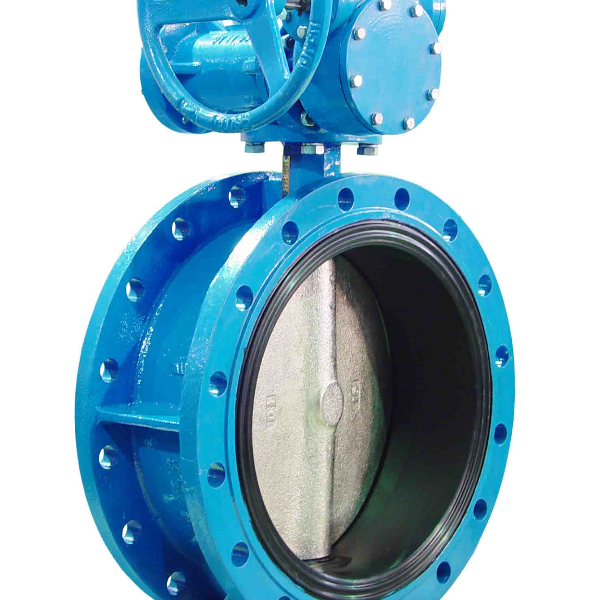
An OEM Tianjin Butterfly Valve is a butterfly valve manufactured in Tianjin according to original equipment manufacturer requirements or customized project specifications. These valves use a rotating disc to control fluid movement and are available in different body materials, sealing configurations, pressure ratings, and operating arrangements. When sourcing OEM products, industrial buyers should assess whether the manufacturer can meet their technical requirements, maintain consistent production quality, and provide the documentation needed for reliable project execution.
1. Understand the Project’s Technical Requirements
Before contacting manufacturers, buyers should prepare a clear technical specification describing the intended valve application. This helps ensure that suppliers recommend suitable products rather than offering standard configurations that may not match the system.
Important project details include:
- Required valve type and nominal diameter
- Operating and maximum design pressure
- Normal and maximum operating temperature
- Type of fluid or gas being transported
- Required connection dimensions
- Sealing and leakage performance
- Manual or automated operating requirements
- Applicable industry standards
Providing accurate information at the beginning of the sourcing process helps manufacturers evaluate the application and recommend appropriate configurations.
2. Evaluate the Manufacturer’s OEM Capabilities
Not every valve manufacturer offers the same level of customization. Some primarily produce standard products, while others can manufacture valves according to customer drawings, technical specifications, and project requirements.
When evaluating an OEM manufacturer in Tianjin, consider whether the company can customize important components, including:
- Valve body dimensions and materials
- Disc design and material selection
- Shaft dimensions and construction
- Seat and sealing materials
- Pressure ratings
- Actuator and gearbox configurations
- Surface coatings and product identification
The manufacturer should also be able to explain which specifications can be customized and whether special tooling or additional production time is required.
3. Check Material Quality and Compatibility
Material selection directly affects a butterfly valve’s durability, corrosion resistance, and suitability for different operating conditions.
Valve Body Materials
Common materials include cast iron, ductile iron, carbon steel, and stainless steel. Each has different mechanical and corrosion-resistance characteristics.
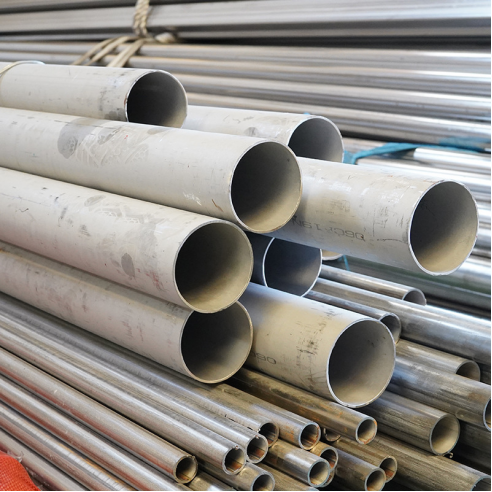
Ductile iron is widely used in suitable water distribution and general industrial applications. Stainless steel may be preferred where improved corrosion resistance is required, while carbon steel can be suitable for certain pressure and process conditions.
Disc Materials
The disc is continuously exposed to the flowing medium. Its material should be compatible with the fluid and capable of withstanding expected operating forces.
Seat Materials
Seat materials influence sealing performance and temperature compatibility. EPDM, NBR, and other specialized elastomers may be considered depending on the application.
Shaft Materials
The shaft must transfer operating torque reliably. Its material should provide suitable strength and resistance to corrosion under the expected service conditions.
Buyers should request material specifications and relevant certificates where required. Choosing components based only on their appearance or general material descriptions may lead to compatibility problems.
4. Confirm Pressure and Temperature Ratings
Industrial butterfly valves must operate within their specified pressure and temperature limits. Selecting a valve with an unsuitable rating can compromise sealing performance and mechanical reliability.
Before ordering, confirm the valve’s pressure class and allowable operating temperature. Also consider pressure fluctuations, temperature variations, and possible surge conditions within the pipeline.
The relationship between pressure and temperature is important because the permitted operating pressure may decrease as temperature increases, depending on the materials and design.
For demanding applications, request technical documentation showing the applicable pressure-temperature limits and testing requirements.
5. Review Valve Design and Connection Standards
Butterfly valves are available in different connection configurations, including wafer, lug, and flanged designs. Each arrangement has specific installation requirements.
A wafer butterfly valve is generally installed between compatible pipeline flanges. A lug-style design uses threaded lugs to support its connection arrangement, while a flanged butterfly valve has integrated flange connections.
The appropriate design depends on pipeline layout, maintenance requirements, installation space, and applicable piping standards.
Buyers should verify:
- Nominal diameter
- Face-to-face dimensions
- Flange drilling and connection compatibility
- Pressure class
- Installation orientation
- Required clearances
- Relevant design standards
Accurate dimensional drawings are especially important when valves are being integrated into existing pipelines or prefabricated equipment.
6. Assess Manufacturing Quality Control
Consistent manufacturing quality is essential when purchasing OEM butterfly valves for industrial projects. Even small differences in dimensions, material properties, or assembly quality can affect installation and operating performance.
A reliable manufacturer should have established quality control procedures throughout production.
Important areas to review include:
Incoming Material Inspection
Materials should be checked against approved specifications before entering production.
Machining and Assembly
Valve components should be manufactured and assembled according to controlled drawings and technical requirements.
Pressure and Leakage Testing
Appropriate tests should verify pressure integrity and sealing performance according to the relevant product specifications and standards.
Final Inspection
Finished valves should be checked for dimensions, appearance, identification, and required documentation before shipment.
Buyers should ask about inspection procedures and request relevant test reports for the ordered products.
7. Consider Operating Mechanisms and Automation Options
Butterfly valves can be supplied with different operating mechanisms depending on their size and application.
Manual Lever Operation
Lever-operated valves are commonly used for smaller sizes and applications requiring straightforward manual control.
Gearbox Operation
Gear operators can reduce manual operating effort and provide controlled movement for larger valves.
Electric Actuation
Electric actuators support remote operation and integration with automated control systems. They may be suitable for facilities requiring centralized valve management.
Pneumatic Actuation
Pneumatic actuators use compressed air to operate the valve. They are often selected where pneumatic infrastructure is already available.
When sourcing OEM valves, buyers should confirm actuator torque, power requirements, control signals, operating frequency, and environmental protection ratings.
8. Evaluate the Supplier’s Experience and Technical Support
The manufacturer’s experience can influence product selection, customization, and project coordination. Buyers should investigate whether the supplier has experience producing butterfly valves for similar industries and operating conditions.
Useful questions include:
- Can the manufacturer provide technical drawings?
- Does it offer material customization?
- Can it support special dimensional requirements?
- What testing procedures are available?
- Can it provide material and inspection documentation?
- Is technical assistance available after delivery?
- Are replacement parts available?
Clear technical communication is especially important for OEM orders because the buyer and manufacturer must agree on detailed specifications before production begins.
9. Compare Pricing, Production Lead Times, and Delivery Conditions
Price is an important part of valve procurement, but the lowest quotation does not necessarily represent the best overall value.
When comparing suppliers, evaluate the complete commercial offer, including product specifications, customization costs, testing, packaging, delivery, and technical support.
Production lead times should also be confirmed before placing an order. Customized products may require additional engineering work, material procurement, or production preparation.
For international purchases, buyers should clarify:
- Minimum order quantities
- Production schedules
- Packaging requirements
- Shipping arrangements
- Delivery terms
- Export documentation
- Warranty conditions
These details help procurement teams plan deliveries and coordinate valve supply with broader project schedules.
10. Understand Documentation and Compliance Requirements
Industrial projects often require specific documentation to demonstrate that supplied equipment meets technical and regulatory expectations.
Depending on the application, buyers may need:
- Approved technical drawings
- Product data sheets
- Material certificates
- Pressure and leakage test reports
- Inspection records
- Applicable compliance certificates
- Installation and maintenance instructions
Relevant standards may include API, ISO, ASME, and other industry-specific specifications. However, buyers should verify the exact standard and edition required by the project rather than assuming that every butterfly valve meets the same requirements.
For drinking-water applications, additional requirements may apply to materials and coatings that come into contact with water.
11. Avoid Common Mistakes When Sourcing OEM Butterfly Valves
A well-organized sourcing process helps prevent unnecessary costs and delays.
Some common purchasing mistakes include:
Providing incomplete specifications: Missing pressure, temperature, or material information can result in an unsuitable product.
Ignoring connection dimensions: Incorrect face-to-face dimensions or flange compatibility may create installation problems.
Choosing materials without checking fluid compatibility: A material suitable for water may not be appropriate for a chemical process.
Focusing only on purchase price: Lower initial costs may be offset by maintenance, replacement, or compatibility issues.
Skipping technical drawing approval: Reviewing drawings before production helps identify dimensional and design errors.
Overlooking testing documentation: Required inspections and test reports should be agreed upon before the order is finalized.
Avoiding these mistakes can improve procurement accuracy and support smoother project execution.
Conclusion
Sourcing an OEM Tianjin butterfly valve for an industrial project requires careful evaluation of technical requirements, material compatibility, manufacturing capabilities, pressure ratings, connection standards, and quality control procedures. Buyers should also consider operating mechanisms, supplier experience, production lead times, documentation, and long-term technical support.
A successful procurement decision begins with a detailed specification and clear communication with the manufacturer. By reviewing technical drawings, confirming material and testing requirements, and comparing suppliers on overall value rather than price alone, industrial businesses can source butterfly valves that better match their pipeline systems and operational needs.