Modern healthcare depends heavily on materials that are safe, reliable, and capable of performing under strict medical conditions. Hospitals, laboratories, and device manufacturers must choose components that can maintain performance while protecting patient health. Among the many materials used in the healthcare industry, silicone has become one of the most important due to its stability, flexibility, and compatibility with the human body. Silicone-based products are widely used in equipment that supports patient treatment, diagnosis, and life-saving procedures.
Medical-grade silicone is designed to meet strict regulatory and safety standards required in healthcare environments. It is known for its ability to handle extreme temperatures, repeated sterilization, and long-term use without breaking down. These qualities make silicone tubing a vital part of many medical systems where consistent performance and safety are required.
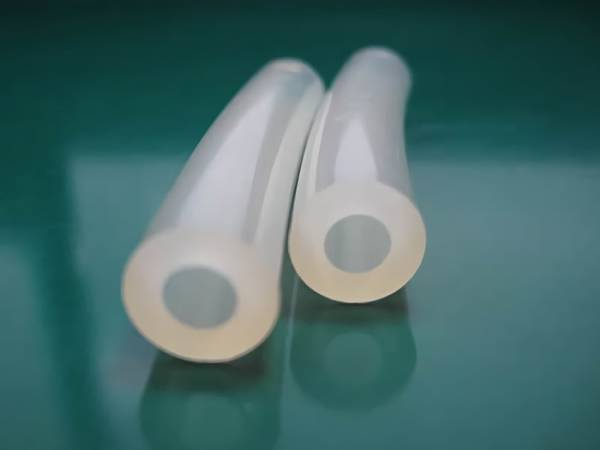
In hospitals and clinical environments, Medical Silicone Tubing is commonly used to move fluids such as blood, medications, and nutritional solutions between devices and patients. The smooth inner surface of the tubing supports steady and controlled fluid flow while reducing the risk of contamination or buildup inside the tube. Because silicone is non-reactive and highly biocompatible, it can safely interact with sensitive biological materials. This makes it suitable for use in applications like IV therapy, respiratory equipment, dialysis systems, and surgical tools that require high precision and reliability.
Another important feature of silicone tubing is its unique combination of flexibility and strength. Medical devices often need components that can bend or move without collapsing or restricting flow. Silicone tubing maintains its structure even under pressure or repeated movement, which is essential for equipment used continuously in intensive care units, emergency departments, and operating rooms. This reliability helps healthcare professionals depend on medical devices without worrying about sudden failure or performance issues.
Table of Contents
ToggleBiocompatibility and Patient Safety
Biocompatibility is one of the most critical factors when selecting materials for medical use. Silicone has earned a strong reputation in the medical industry because it interacts safely with human tissues and fluids. Unlike some alternative materials, medical-grade silicone does not easily cause allergic reactions or release harmful substances during use. This characteristic makes it particularly valuable in applications that involve direct or prolonged contact with the body.
Many devices that support patient care rely on silicone tubing because it reduces risks associated with irritation or chemical reactions. It is widely used in catheters, drainage tubes, feeding systems, and various implantable or semi-implantable medical products. These applications require materials that remain stable inside the body or during long treatment periods.
In addition to being safe for patients, silicone tubing also supports infection control. The material can handle multiple sterilization methods, including high-temperature autoclaving, radiation sterilization, and chemical cleaning processes. Even after repeated sterilization cycles, silicone maintains its structure and performance, which is crucial for maintaining hygiene and safety in healthcare environments.
Durability and Performance in Medical Devices
Medical equipment often operates in challenging conditions where reliability is essential. Silicone tubing is known for its long lifespan and resistance to environmental stress, making it a dependable component in many devices. It can function effectively in both very high and very low temperatures without becoming brittle or losing its flexibility. This makes it ideal for equipment used in diverse medical settings.
Transparency is another practical advantage of silicone tubing. In many procedures, healthcare professionals need to monitor fluid movement through the tubing to ensure treatments are working correctly. Clear silicone tubing allows medical staff to visually check flow rates, detect air bubbles, and identify potential issues quickly. This visibility improves safety and allows for faster responses during treatment.
Furthermore, silicone tubing resists chemical damage from various solutions used in hospitals and laboratories. It remains stable even when exposed to cleaning agents, medications, and biological fluids. This resistance helps extend the lifespan of medical devices and reduces the need for frequent replacements, which can help healthcare facilities manage costs more effectively.
Versatility Across Medical Applications
Silicone tubing is valued not only for its performance but also for its adaptability. It can be manufactured in a wide range of sizes, shapes, and wall thicknesses to meet the specific requirements of different medical devices. This flexibility allows engineers and designers to integrate silicone tubing into both simple and highly advanced healthcare technologies.
Beyond hospitals, silicone tubing is also used in pharmaceutical manufacturing, laboratory research, and biotechnology industries. In these environments, maintaining clean and controlled fluid transfer is essential. Silicone’s consistent quality and stability make it a trusted material for processes that require precision and contamination control.
Another reason for its widespread use is its ability to maintain performance over long periods without cracking, hardening, or degrading. Medical devices must remain safe and functional throughout their service life, and silicone tubing supports this requirement effectively.
Supporting the Future of Healthcare Technology
Healthcare technology continues to evolve with innovations aimed at improving patient outcomes and treatment efficiency. As devices become more advanced, the materials used in their construction must also meet higher standards. Silicone tubing plays an important role in supporting these advancements by offering reliability, safety, and adaptability in complex medical systems.
Engineers developing new diagnostic tools, surgical instruments, and life-support systems often rely on silicone tubing because it can be customized and integrated into a wide variety of designs. Its proven track record in medical environments makes it a dependable choice for next-generation healthcare solutions.
Overall, silicone tubing remains a key component in modern medicine. Its combination of biocompatibility, durability, and versatility ensures that it will continue to support medical devices and patient care systems around the world. As healthcare continues to progress, materials like silicone tubing will remain essential in delivering safe, efficient, and advanced medical treatments.