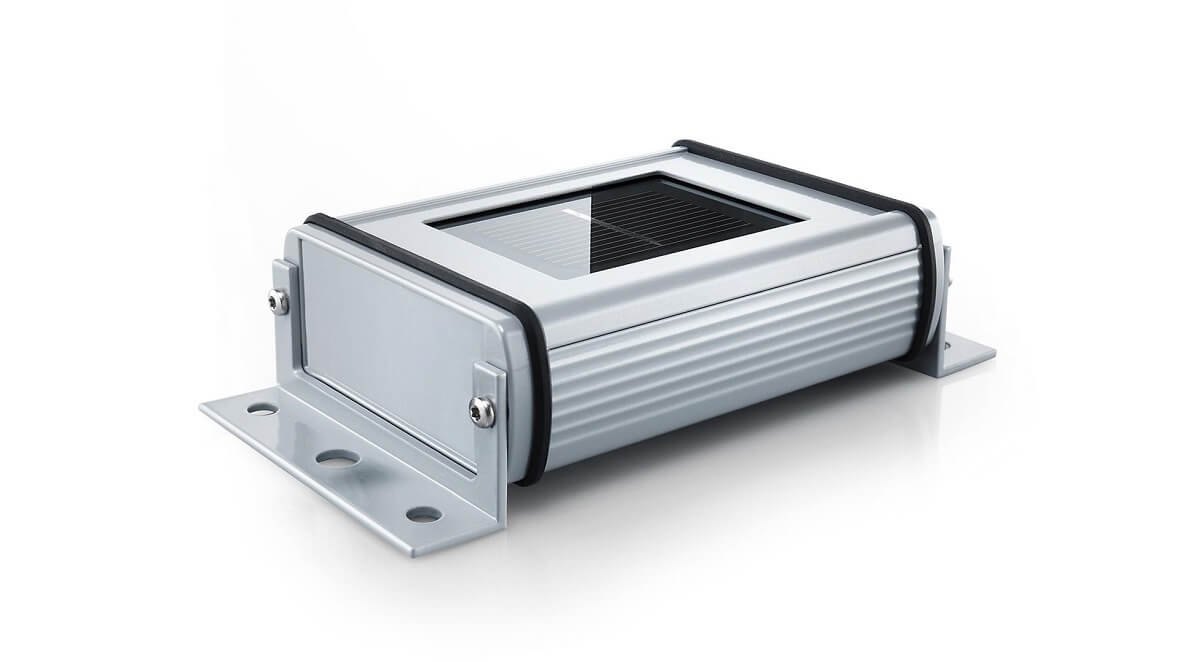
A Solar Radiation Sensor is a specialized device used to measure the intensity of sunlight reaching a surface. These sensors are critical in renewable energy applications, particularly in solar power systems, where accurate solar radiation data is essential for optimizing energy production. By providing real-time measurements of sunlight, these sensors enable energy companies, researchers, and engineers to design efficient photovoltaic systems, forecast energy output, and monitor environmental conditions affecting solar efficiency.
Modern solar radiation sensors are designed to capture sunlight across multiple wavelengths, including visible, infrared, and ultraviolet light. Advanced devices, such as the Solar Radiation Sensor from Rika Sensor, provide high-precision measurements essential for both research and commercial applications. These sensors help track daily and seasonal variations in solar intensity, enabling accurate energy forecasting and performance optimization for solar installations. By integrating such sensors into solar monitoring systems, operators can ensure that photovoltaic panels are operating at peak efficiency under varying weather conditions.
Table of Contents
ToggleHow Solar Radiation Sensors Work
Solar radiation sensors typically use photodiodes, thermopiles, or photovoltaic cells to convert sunlight into an electrical signal proportional to the intensity of solar radiation. The signal is then measured and recorded, providing a quantitative assessment of the energy available from the sun at a given time. Photodiode-based sensors are known for their fast response times, while thermopile sensors offer high stability and accuracy over long-term measurements. Depending on the design, these sensors can measure both direct sunlight and diffuse sky radiation, giving a comprehensive view of solar energy potential.
Types of Solar Radiation Sensors
- Pyranometers – Measure total hemispherical solar radiation, including direct and diffuse sunlight. Pyranometers are highly accurate and are often used in research and meteorological studies.
- Pyrheliometers – Measure only direct sunlight by focusing on the sun through a collimating tube. These sensors require sun-tracking mechanisms but provide precise data for solar energy research.
- Photodiode-Based Sensors – Compact and cost-effective, these sensors are commonly used in photovoltaic systems to provide real-time monitoring of solar panel performance.
Importance in Renewable Energy
Solar radiation sensors are indispensable in renewable energy applications for several reasons. Firstly, they help optimize photovoltaic system performance by providing real-time data on solar intensity. This information allows operators to adjust panel angles or cleaning schedules to maximize energy output. Secondly, these sensors support energy forecasting, enabling grid operators to predict electricity generation from solar plants accurately. Accurate solar data is critical for maintaining grid stability and planning energy distribution, particularly in regions with high solar penetration.
Monitoring System Efficiency
By using solar radiation sensors, energy companies can monitor the efficiency of solar panels over time. Sensors provide data that can reveal shading issues, panel degradation, or other factors that reduce energy production. This continuous monitoring allows for proactive maintenance, ensuring that solar installations consistently operate at peak efficiency.
Environmental Impact and Research
Beyond energy production, solar radiation sensors play a vital role in environmental research. They provide data for climate studies, helping scientists understand solar radiation patterns and their effects on temperature, weather, and ecosystems. In agriculture, these sensors help optimize sunlight exposure for crops, supporting greenhouse management and precision farming practices.
Integration with Smart Systems
Modern solar radiation sensors are increasingly integrated with IoT-enabled monitoring platforms. These systems allow remote data collection, real-time alerts, and automated analytics. By connecting sensors to smart energy management systems, operators can make informed decisions about energy storage, distribution, and load balancing. Integration also facilitates predictive maintenance, reducing downtime and improving long-term system performance.
Maintenance and Calibration
Proper maintenance and calibration are essential for ensuring accurate solar radiation measurements. Dust, dirt, and environmental exposure can affect sensor performance, so regular cleaning and inspection are recommended. Calibration against reference standards ensures long-term accuracy, which is critical for both research and commercial energy applications. High-quality sensors are designed to maintain stability and minimize drift over time, reducing the frequency of recalibration and maintenance.
Conclusion
A Solar Radiation Sensor is a key component in the renewable energy sector, providing precise measurements of sunlight for optimizing solar power systems, supporting research, and monitoring environmental conditions. By delivering accurate, real-time data, these sensors enable efficient energy production, reliable forecasting, and informed operational decision-making. As solar energy continues to expand worldwide, the role of solar radiation sensors in maximizing system performance and supporting sustainable energy solutions will only become more critical.