A generator set is often selected because a building, worksite, or facility needs an independent source of electrical power. However, choosing one involves more than matching a generator’s advertised output to an estimated electricity requirement. The equipment must handle the expected loads, operate in its installation environment, and provide a practical arrangement for maintenance and fuel supply. A careful selection process helps avoid both undersizing and unnecessary investment in excessive capacity.
When comparing a Yuchai Generator Set, begin by defining the electrical demand and the conditions in which the unit will operate. Generator sets can be configured for different applications, and their suitability depends on the specific engine, alternator, control system, and overall package. Confirm the complete model specification rather than evaluating the engine brand alone.
Calculate the Required Electrical Capacity
Prepare a list of the equipment that may operate from the generator. Include lighting, pumps, motors, compressors, heating or cooling equipment, computers, and other essential loads. Record each item’s rated power and identify which devices may start at the same time.
Some electrical equipment draws a higher current during startup than during normal operation. Motors and compressors are common examples. If these starting demands are not considered, a generator may struggle when larger loads switch on, even if its running capacity appears sufficient.
An electrical professional can calculate the required generator capacity using the actual load characteristics, power factor, starting method, and expected operating sequence. Avoid selecting a unit solely by adding together the wattage printed on equipment labels.
Understand Generator Rating Categories
Generator sets may have different ratings for standby, prime, or continuous applications. These categories describe the operating conditions and limits under which the generator is intended to work.
The appropriate rating depends on whether the generator is used as emergency backup, as a regular power source, or for a relatively steady load over extended periods. Buyers should compare rating categories carefully because figures from different categories are not directly interchangeable.
Request the manufacturer’s rating definitions and confirm that the quoted output applies to the intended duty. If the generator will support a critical facility, the project engineer should also assess redundancy and the consequences of an outage.
Evaluate the Complete Generator Package
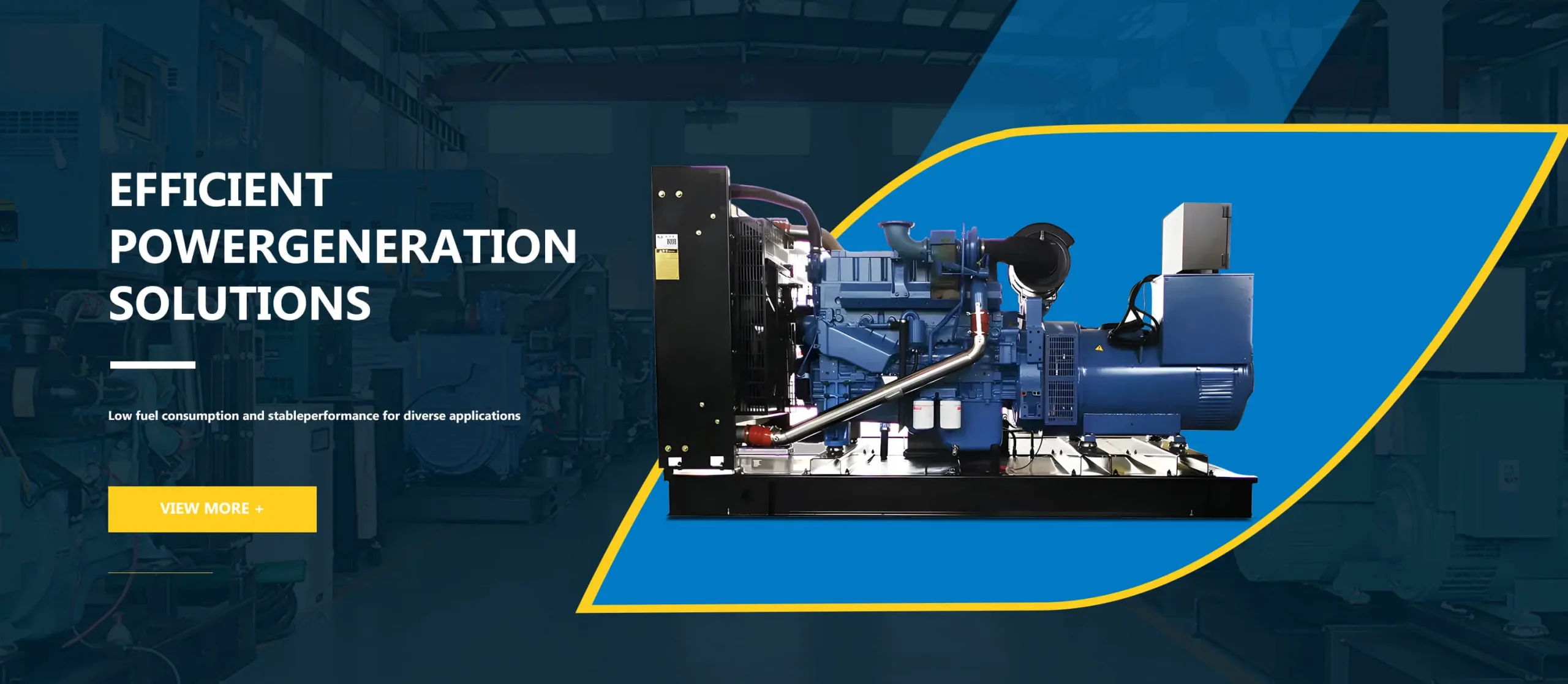
A generator set is a coordinated system. The engine supplies mechanical power, while the alternator converts it into electrical output. The control panel monitors and manages operation, and the cooling and exhaust arrangements support the engine’s operation.
Review the following details before ordering:
- Rated voltage, frequency, phase, and output capacity.
- Engine model, fuel requirements, and cooling arrangement.
- Alternator specifications and voltage regulation characteristics.
- Control panel functions, alarms, and protection features.
- Starting system and battery arrangement.
- Enclosure, noise-control, and weather-protection options.
- Fuel tank capacity and connection requirements, where included.
Confirm that the proposed configuration matches the electrical system at the installation site. Voltage and frequency requirements are particularly important when the generator will supply existing equipment.
Assess the Installation Location
The location affects generator operation, access, and safety. Indoor installations require appropriate ventilation and exhaust arrangements. Outdoor installations may need weather protection and a suitable enclosure. The foundation must support the equipment, and there should be enough space for inspection and servicing.
Noise limits, exhaust discharge, fuel storage, drainage, and access for delivery should be reviewed during site planning. Follow local regulations and the manufacturer’s installation instructions. Qualified electrical and mechanical professionals should oversee connections and commissioning.
Plan for Maintenance and Fuel Management
Before purchase, ask about routine service intervals, replacement filters, lubricants, coolant requirements, and access to technical support. Consider whether qualified technicians and suitable parts are available where the generator will operate.
Fuel quality and storage conditions need attention as well. Use the fuel type specified for the engine and follow safe storage and handling procedures. A maintenance log should record operating hours, inspections, service work, and any alarms or faults.
Compare the Full Cost of Ownership
Purchase price is only one part of generator ownership. Include installation, fuel consumption under the expected load, routine maintenance, replacement parts, testing, and any required enclosure or electrical accessories. A unit with a lower initial cost may not be the most economical choice over its service life.
Select According to the Application
A suitable generator set is one that meets the site’s electrical demand, operating schedule, installation conditions, and maintenance capabilities. By confirming the ratings and reviewing the complete package, buyers can make a more reliable choice for backup or independent power needs.