Schools, colleges, and universities serve students with different daily schedules. For Muslim students, access to a suitable ablution area makes it easier to perform wudu before prayers without disrupting lessons or other campus activities. A well-planned facility also gives students a clean and comfortable place to prepare for salah throughout the school day.
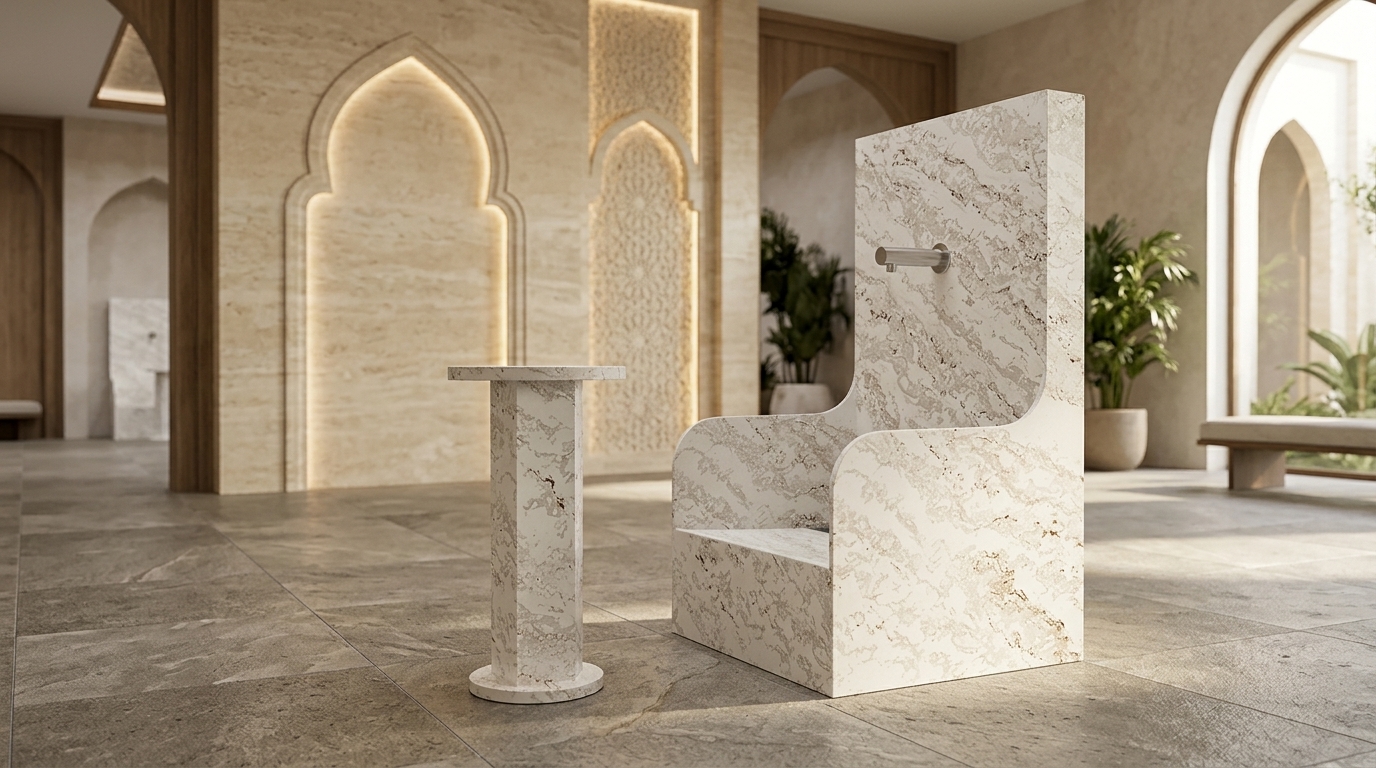
Prayer routines often take place between classes, during lunch breaks, or before students leave campus. Providing a Wudu basin for Muslim students gives them a dedicated place for washing and helps separate ablution from ordinary restroom use. The basin design, location, and number of washing stations all affect how easily students can use the facility during short breaks.
Makes Daily Prayer Easier To Manage
Students follow structured timetables with limited time between lessons. They may need to complete wudu before joining a school prayer group or using a designated prayer room. A suitable ablution facility makes this routine more manageable.
Without a dedicated washing area, students may rely on standard bathroom sinks. These often lack enough room for foot washing and may not suit repeated use by several students. A purpose-designed basin provides a more practical arrangement for the full ablution process.
This convenience matters in educational buildings where students move between classrooms, libraries, dining areas, and prayer spaces. A nearby washing facility reduces unnecessary walking and helps students return to their activities on time.
Reduces Waiting During Busy Breaks
Many students may need to perform wudu around the same time. This is especially common before midday prayers or during scheduled prayer breaks. A small restroom with only a few standard sinks may struggle to handle the demand.
A dedicated ablution area can include multiple washing stations so students do not have to wait as long. The number of basins should reflect the student population and the time available for prayer.
Estimate The Required Number Of Stations
School administrators can review student attendance and prayer schedules before deciding how many stations to install. A small school may need only a few basins, while a large university may require a separate room with several units.
Consider these details during planning:
- Number of Muslim students using the facility
- Expected users during each prayer break
- Length of breaks between lessons
- Availability of nearby prayer rooms
- Space for future student enrollment growth
It is also important to leave enough clearance between stations. Students need room to wash their feet and move without disturbing others.
Creates A More Suitable Space For Foot Washing
Foot washing is one of the main reasons a dedicated wudu basin differs from a regular bathroom sink. Standard sinks often sit too high or have a shape that makes it difficult to reach the feet comfortably.
A basin designed for ablution provides a more suitable washing position. Its depth and shape help contain water, while the surrounding space allows students to position their feet without awkward movements.
Choose A Practical Basin Height
Students in the same school may vary considerably in age and height. A basin that works for older students may not be comfortable for younger children.
Primary schools may need lower washing stations that suit smaller users. Secondary schools and universities can select dimensions based on their student population. Facilities serving different age groups may benefit from more than one basin height.
Check The Basin Shape
A practical shape should provide enough room for foot washing and limit splashing. Rounded edges can also make the basin easier to clean and more comfortable to approach.
Avoid designs with narrow openings or restricted foot space. Students should be able to complete ablution without struggling to position themselves.
Supports Cleanliness Across The School
A dedicated ablution area helps keep water away from ordinary restroom spaces and classroom corridors. When students use unsuitable sinks for foot washing, water may spread across the floor and create additional cleaning work.
A properly designed basin can help contain splashes. The surrounding floor also needs a suitable slope so water flows toward the drains instead of collecting near the washing stations.
Schools should choose flooring with a slip-resistant finish. This is particularly important in facilities where many students enter and leave within a short period.
Regular cleaning helps maintain a hygienic environment. Staff can follow a simple routine that includes:
- Cleaning basin surfaces after busy periods
- Removing debris from floor drains
- Checking faucets for leaks
- Drying areas where water collects
- Inspecting flooring for damage
These tasks help prevent slippery patches and keep the facility ready for the next group of students.
Encourages Independent Prayer Preparation
A suitable ablution facility allows students to prepare for prayer without depending on temporary arrangements. They can follow their usual routine at school and use the designated space with greater confidence.
This is particularly helpful for younger students who are still learning how to manage their daily prayer responsibilities. Clear signs and an organized layout can help them locate the washing area and understand how to use it properly.
Schools may also provide simple instructions near the facility. These should explain basic usage and cleanliness expectations without making the area feel crowded with notices.
Makes School Facilities More Inclusive
Educational institutions serve students with different physical needs. An ablution area should not create unnecessary barriers for older students, children, or those with limited mobility.
Accessibility features can make the facility easier to use. Depending on the building and student population, these may include:
- Lower basins for younger students
- Accessible washing stations
- Grab bars for additional support
- Non-slip flooring
- Clear paths for wheelchair access
- Seating for students who cannot stand comfortably
Schools should consider these features during the design stage. Adding them later may require changes to plumbing, flooring, and the surrounding layout.
Helps Schools Manage Water Consumption
Frequent use makes water efficiency an important part of ablution facility planning. Even small amounts of unnecessary water use can add up when many students use the basins every day.
Faucets with controlled flow help reduce waste without making washing difficult. Push-button taps and sensor-operated faucets offer different ways to manage water use. Schools should compare their purchase cost, maintenance needs, and suitability for student use.
The basin design also affects water consumption. A suitable shape helps contain water during foot washing and reduces unnecessary splashing. Regular checks for leaking taps and faulty connections prevent avoidable waste.
Schools can support these measures with simple reminders that encourage students to close faucets after use.
Fits Different Educational Settings
The right ablution setup depends on the type of institution and its available space. A small school with a shared prayer room may need a compact washing area near the entrance. A university with a large Muslim student population may require separate facilities with several stations.
Primary And Secondary Schools
Younger students need a layout that is easy to understand and safe to use. Lower basin heights, simple faucets, and clear walking routes can make the experience more comfortable.
Teachers or facility staff may also need to supervise the area during busy breaks. The design should leave enough room for supervision without restricting student movement.
Colleges And Universities
Higher education campuses often have larger student populations and more varied schedules. Students may visit prayer facilities between lectures, during lunch, or before evening classes.
Multiple washing stations can help manage peak demand. A well-placed ablution room near the prayer hall also reduces the need to cross busy academic buildings.
Islamic Schools And Learning Centers
Institutions focused on Islamic education may have regular group prayer activities throughout the day. Their ablution facilities need to support frequent use and remain easy to clean.
A durable basin material, suitable drainage, and enough washing stations can help the facility meet these demands over time.
Select Materials That Handle Frequent Use
School facilities need surfaces that withstand regular contact with water and repeated cleaning. The basin material affects its appearance, durability, and maintenance requirements.
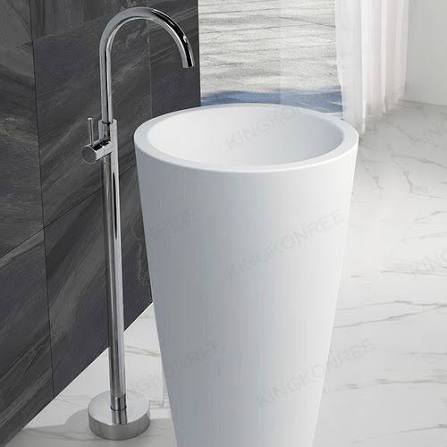
Common choices include ceramic and solid surface materials. Ceramic has a familiar glazed finish that staff can clean with suitable products. Solid surface offers a smooth, non-porous finish and supports different shapes and custom dimensions.
Natural stone may also suit certain projects, although some types need sealing and more careful maintenance. Schools should compare cleaning requirements and long-term costs before selecting a material.
When reviewing custom options, administrators can compare available designs and material specifications from manufacturers such as kingkonree. The final choice should suit the school’s usage level and maintenance resources.
Place The Ablution Area Near The Prayer Space
Location has a direct effect on how easily students can use the facility. A basin placed far from the prayer room may require students to spend much of their break walking between areas.
Where possible, position the ablution area near the prayer space while keeping wet floors away from dry prayer areas. A clear entrance and exit route can also prevent congestion when several students arrive together.
Schools should consider ventilation and privacy as part of the layout. Separate sections or screened areas may be appropriate depending on the institution’s facilities and community requirements.
Storage for soap, tissues, and cleaning supplies should remain accessible without taking up space needed for movement. Good lighting also helps students use the area safely.
Plan For Long-Term Maintenance
A basin may perform well during the first few months, yet poor maintenance can lead to drainage problems, leaks, and surface damage. Schools need a practical maintenance plan that fits their daily operations.
Facility staff should inspect faucets, drains, and plumbing connections regularly. They should also follow the manufacturer’s cleaning instructions to avoid damaging the basin finish.
Before installation, administrators should check that plumbing connections remain accessible for future repairs. Choosing standard fittings where suitable may also make replacement parts easier to source.
A clear maintenance routine reduces disruption and helps the school keep the ablution area clean throughout the academic year.
Frequently Asked Questions
Why Do Muslim Students Need A Dedicated Wudu Basin At School?
A dedicated basin gives students a suitable place to complete ablution, including foot washing. It also reduces pressure on standard restrooms and makes prayer preparation easier during short breaks.
What Features Should A School Wudu Basin Have?
A school basin should provide enough room for foot washing, a suitable height, controlled water flow, and easy-to-clean surfaces. The surrounding area also needs proper drainage and slip-resistant flooring.
How Can Schools Reduce Queues At Ablution Areas?
Schools can estimate peak demand and install enough washing stations for the number of students using the facility. Proper spacing and clear entry and exit routes also help students move through the area efficiently.
Are Wudu Basins Suitable For Younger Children?
Yes. Schools can choose lower basins and simple faucet controls that suit younger students. The surrounding area should also provide safe flooring and enough space for adult supervision.
Conclusion
A suitable wudu basin helps Muslim students maintain their daily prayer routines at school, college, or university. It provides a practical place for complete ablution, reduces waiting times, and keeps ordinary restrooms separate from foot washing activities.
The best facility combines suitable basin dimensions with safe flooring, reliable drainage, accessible design, and manageable maintenance. Planning these details around student needs gives educational institutions a washing area that supports daily use throughout the school year.