Introduction
Interior design continues to evolve as architects, designers, and property owners explore new ways to combine visual appeal with everyday functionality. Modern spaces increasingly emphasize clean lines, customized features, coordinated materials, and practical layouts. These preferences are influencing how surface materials are selected and incorporated into residential, commercial, and hospitality projects.
Solid surface materials offer flexibility for different interior applications because they can be fabricated into various shapes, dimensions, and finishes. Products such as KingKonree Solid Surface can be considered for countertops, bathroom vanities, reception desks, wall panels, and customized furniture. Understanding emerging design trends helps project planners identify where these materials may complement contemporary architectural concepts.
1. Minimalist Designs with Clean Lines
Minimalism remains an influential direction in modern interior design. Rather than relying on excessive decoration, this approach emphasizes simplicity, balanced proportions, and carefully selected materials.
Solid surface materials can support minimalist interiors through their smooth finishes and customization possibilities.
Simple Countertop Profiles
Straight edges, understated colors, and uncluttered surfaces can create a calm appearance in kitchens, bathrooms, and commercial spaces.
Integrated Furniture Elements
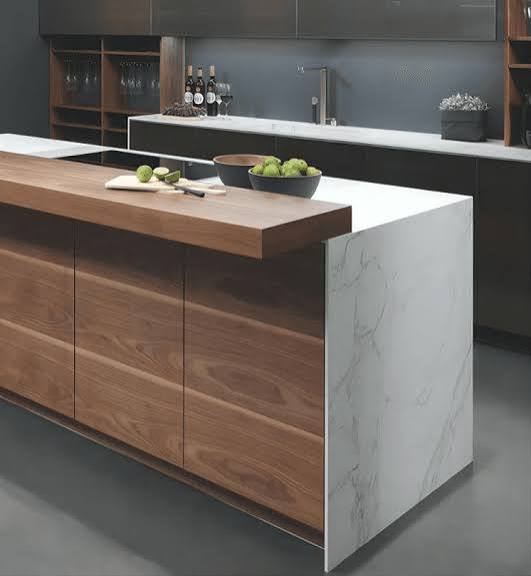
Designers may combine countertops, storage units, and selected fixtures into coordinated arrangements that reduce visual interruptions.
Neutral Color Palettes
White, gray, beige, and other understated shades are frequently used to create interiors that feel balanced and adaptable.
This design approach works particularly well in contemporary offices, residential bathrooms, hotels, and reception areas.
2. Seamless and Integrated Surface Designs
A growing preference for visually continuous interiors is influencing the use of solid surface materials. Instead of treating every fixture as a separate element, designers increasingly explore integrated designs that create a unified appearance.
Integrated Washbasins
Some solid surface products can be fabricated into coordinated countertop and basin combinations. This can help reduce visible transitions around the washing area.
Continuous Reception Counters
Commercial reception desks can incorporate connected horizontal and vertical sections to create a consistent architectural feature.
Coordinated Wall and Countertop Surfaces
Using complementary surface materials across different interior elements can create a more organized visual composition.
Reduced Visible Joint Lines
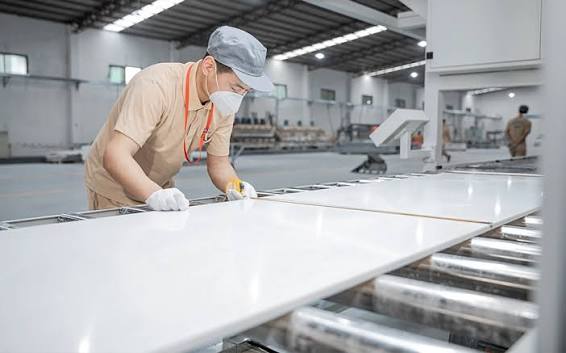
Appropriate fabrication and joining methods can produce seamless-looking finishes. The quality of the result depends on the material formulation, adhesive system, and workmanship.
Integrated designs are especially relevant in hospitality, healthcare, and residential bathroom projects.
3. Organic Shapes and Curved Furniture
Modern interiors are gradually moving beyond rigid geometric layouts in favor of softer shapes and flowing forms. Curved furniture can make spaces feel more welcoming while creating distinctive architectural features.
Certain solid surface formulations can be shaped through specialized fabrication processes, including thermoforming where the product supports it.
Curved Reception Desks
Rounded counters can create a welcoming focal point in hotel lobbies, corporate offices, and commercial buildings.
Soft-Edged Vanity Units
Rounded corners and flowing countertop profiles can complement contemporary bathroom designs.
Sculptural Furniture
Custom tables, decorative panels, and selected furniture elements can use curved forms to introduce visual interest.
Circular Display Features
Retail environments may use rounded display counters to improve movement around product presentation areas.
Designers should confirm the material’s forming capabilities and minimum bending requirements before specifying complex shapes.
4. Natural-Inspired Colors and Patterns
Natural materials continue to influence interior design, particularly through stone-inspired patterns, subtle textures, and earthy colors. These elements can introduce visual warmth while maintaining a modern appearance.
Solid surface collections may offer different decorative options inspired by natural stone and other materials.
Marble-Inspired Patterns
Veined designs can create an elegant appearance in bathroom vanities, reception counters, and selected worktops.
Neutral Stone Effects
Soft gray, cream, and beige patterns can complement both traditional and contemporary interiors.
Earthy Color Palettes
Warm brown, muted green, and natural-looking shades can help create comfortable residential and hospitality environments.
Coordinated Surface Finishes
Designers can combine patterned countertops with simpler cabinetry and wall finishes to maintain visual balance.
The availability and appearance of these patterns vary between product collections, so samples are useful during the specification process.
5. Multifunctional Furniture and Space-Saving Designs
Urban buildings and compact commercial spaces often require furniture that performs several functions without occupying unnecessary floor area. This trend is influencing the design of countertops, storage units, and integrated fixtures.
Solid surface materials can be considered for customized furniture where specific dimensions and coordinated components are needed.
Compact Bathroom Vanities
Smaller vanity tops can be designed to fit limited bathroom layouts while maintaining practical washing space.
Reception Desks with Storage
Custom counters can incorporate storage sections, equipment openings, and designated work areas.
Combined Display and Service Counters
Retail furniture can be designed to present products while providing a functional checkout or customer-service area.
Built-In Shelving Features
Selected solid surface components can be incorporated into shelving and storage arrangements for a coordinated appearance.
Successful space-saving designs require accurate measurements and careful consideration of access, ergonomics, and structural support.
6. Biophilic Design and Natural Visual Elements
Biophilic design focuses on strengthening the connection between indoor environments and nature. It often incorporates natural light, plants, organic shapes, and materials with earthy visual qualities.
Solid surface materials can complement this approach through their colors, patterns, and ability to integrate with other interior finishes.
Earth-Inspired Surfaces
Neutral and nature-inspired colors can help establish a relaxed atmosphere in offices, hotels, and residential interiors.
Curved Architectural Features
Organic countertop profiles and rounded furniture can complement the softer forms often used in biophilic spaces.
Integration with Natural Materials
Solid surface components can be paired with timber, stone, indoor plants, and natural textiles to create a balanced interior.
Daylight-Friendly Finishes
Light-colored surfaces can help reflect available natural light, depending on their finish and the surrounding design.
Biophilic design is not limited to material selection. Natural ventilation, daylight access, planting, and occupant comfort also play important roles.
7. Bold Accent Colors and Customized Design Features
Although neutral palettes remain common, designers are also using stronger colors to create distinctive interior features. A carefully selected accent surface can add personality without overwhelming the entire space.
Statement Reception Counters
A distinctive color or pattern can make a reception desk a recognizable feature of an office or hotel.
Retail Display Furniture
Branded colors can help distinguish product areas and support a store’s visual identity.
Decorative Bathroom Elements
Contrasting vanity tops and wall features can add character to contemporary bathrooms.
Customized Color Combinations
Designers may combine several surface colors to create visual divisions between functional areas.
When using bold colors, it is useful to consider lighting conditions, surrounding finishes, and the long-term design direction of the building.
8. Contemporary Bathroom Design and Wellness Spaces
Bathrooms are increasingly treated as spaces for comfort and relaxation rather than purely functional rooms. This trend is visible in residential developments, hotels, spas, and wellness facilities.
Solid surface materials can contribute to these designs through customized vanity tops, selected basin configurations, and coordinated decorative elements.
Spa-Inspired Vanity Areas
Soft colors, integrated-looking basins, and uncluttered countertops can support a calm bathroom atmosphere.
Minimalist Washbasins
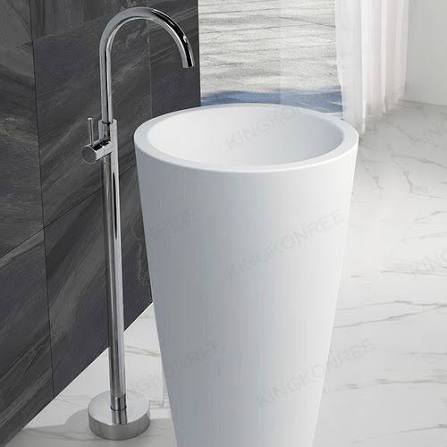
Simple basin shapes and coordinated surfaces can create a clean visual appearance.
Floating Vanity Concepts
Solid surface components can be incorporated into wall-mounted vanity designs when suitable supporting structures and installation systems are provided.
Coordinated Bathroom Features
Matching shelves, countertops, and selected wall elements can help establish a consistent design language.
Moisture performance, cleaning compatibility, and installation details should always be checked for the selected product.
9. Sustainable Design and Material Awareness
Sustainability is becoming a more important consideration in interior design. Designers and clients increasingly want to understand where materials come from, how they are manufactured, and how long they can remain useful.
The solid surface industry is also facing greater attention to resource efficiency and environmental transparency.
Efficient Material Planning
Accurate design and cutting layouts can help reduce fabrication waste.
Repair and Refinishing
Some solid surface formulations allow minor surface damage to be repaired, potentially extending the useful life of selected installations.
Responsible Material Selection
Buyers can review product composition, recycled content, and environmental documentation where available.
Long-Term Maintenance
Selecting a product suited to its intended application can help reduce premature replacement.
Sustainability claims should be supported by product-specific evidence, such as relevant environmental declarations or verified test information.
10. Mixing Materials for More Layered Interiors
Modern interior design often combines several materials to create depth, contrast, and functional variety. Solid surface components can work alongside different finishes when their physical properties and installation requirements are considered.
- Wood: Adds warmth and natural texture to countertops, cabinets, and reception furniture.
- Metal: Introduces contrast through frames, supports, handles, and decorative trim.
- Glass: Creates visual openness in display furniture, partitions, and selected architectural details.
- Natural stone: Can complement solid surface components through contrasting patterns and textures.
- Ceramic: Offers additional options for flooring, wall finishes, and bathroom installations.
Material combinations should be planned around differences in weight, expansion, moisture exposure, cleaning requirements, and maintenance.
11. Customization for Hospitality and Commercial Spaces
Commercial interiors increasingly use customized furniture and architectural details to establish a recognizable identity. Hotels, restaurants, retail stores, and offices often need fixtures that fit specific operational and branding requirements.
Solid surface materials can support different custom fabrication concepts.
Hotel Reception Areas
Curved desks, coordinated countertops, and decorative surface details can help create a distinctive entrance.
Restaurant Service Counters
Customized dimensions and layouts can accommodate payment equipment, storage, and service operations.
Retail Display Units
Specially designed counters can support product presentation while maintaining a consistent store appearance.
Corporate Office Interiors
Reception furniture, meeting tables, and selected wall features can be coordinated with corporate colors and architectural details.
For commercial use, specifications should address expected traffic, cleaning procedures, impact exposure, and applicable safety requirements.
12. Technology-Integrated Interior Features
Technology is becoming a normal part of modern buildings, influencing how furniture and fixtures are designed. Reception counters, meeting tables, retail displays, and office workstations may need to accommodate electronic equipment.
Custom surface fabrication can help designers plan around these requirements.
Cable Management
Furniture can include suitable openings and concealed pathways for power and data cables.
Equipment Integration
Counters can be designed with designated spaces for computers, screens, payment terminals, and communication devices.
Smart Bathroom Features
Selected vanity designs may accommodate illuminated mirrors, sensor-operated fittings, and other electronic bathroom accessories.
Interactive Retail Displays
Custom counters can be planned around digital screens and customer-facing equipment.
Electrical components require appropriate ventilation, access, moisture protection, and installation by qualified professionals.
13. Textured Finishes and Tactile Experiences
Interior design increasingly considers how materials feel as well as how they look. Texture can add depth to an otherwise simple design and help establish different visual zones within a space.
Solid surface products are available in different finishes depending on the collection and manufacturing process.
Matte Finishes
Matte surfaces can create a restrained appearance and complement minimalist interiors.
Polished Finishes
Glossy finishes may help create a brighter visual effect, particularly in spaces with suitable lighting.
Subtle Decorative Patterns
Stone-inspired patterns and gentle variations can add visual depth without introducing excessive decoration.
Contrasting Surface Treatments
Designers may combine different finishes to distinguish work areas, display sections, or decorative furniture components.
Samples should be reviewed under the project’s actual lighting conditions because surface appearance can change depending on illumination and viewing angle.
14. Designing Interiors for Easier Maintenance
Practical maintenance remains a major consideration in commercial buildings and busy residential environments. Modern design trends increasingly favor surfaces and furniture arrangements that are easier to clean and manage.
Solid surface materials may offer useful options in applications where smooth, properly finished surfaces are desirable.
Simplified Countertop Layouts
Fewer unnecessary joints and decorative recesses can make some furniture designs easier to clean.
Accessible Fixtures
Well-planned furniture should allow cleaning staff to reach relevant surfaces and surrounding areas.
Repairable Surface Options
Certain formulations support refinishing procedures for minor scratches and surface marks.
Appropriate Cleaning Systems
The cleaning products and methods should be compatible with the specific surface material.
Maintenance performance depends on the product’s composition, finish, installation, and actual operating conditions.
15. The Importance of Samples and Technical Evaluation
Following design trends is useful, but the selected material must also meet the technical requirements of the project. A visually attractive surface may not be suitable for every application.
Before specifying a solid surface product, architects and buyers should review several important factors:
- Color and finish: Examine physical samples under different lighting conditions.
- Material composition: Understand the main ingredients and product formulation.
- Fabrication capabilities: Confirm whether the material supports the planned shapes and integrated features.
- Performance requirements: Review relevant information about heat, moisture, impact, and chemical resistance.
- Maintenance instructions: Check recommended cleaning and repair methods.
- Installation requirements: Confirm support structures, joining methods, and site preparation.
- Environmental information: Request verified documentation where sustainability is an important project requirement.
- Supplier support: Confirm product availability, technical assistance, and applicable warranty conditions.
This evaluation helps prevent design decisions based solely on appearance or general material assumptions.
16. Future Directions in Solid Surface Design
The solid surface industry is likely to continue evolving as designers explore new forms, finishes, and applications. Several trends may influence future product development and interior specifications.
- Greater interest in organic shapes and sculptural furniture.
- More integrated countertop and basin configurations.
- Wider use of natural-inspired colors and decorative patterns.
- Increased customization for hospitality and commercial projects.
- Greater attention to recycled content and manufacturing efficiency.
- Improved digital design and precision fabrication methods.
- More coordination between surface materials and smart building features.
These developments will depend on manufacturing capabilities, technical performance, market demand, and the changing requirements of modern buildings.
Conclusion
Emerging interior design trends are creating new opportunities for solid surface materials across residential, commercial, and hospitality environments. Minimalist layouts, integrated fixtures, curved furniture, natural-inspired finishes, multifunctional designs, and technology-compatible features are influencing how these materials are specified and fabricated.
When considering KingKonree Solid Surface products, architects, designers, and project buyers should evaluate available colors, finishes, technical specifications, and fabrication options in relation to their intended applications. Combining thoughtful design with suitable material selection and professional installation can help create modern interiors that remain functional, coordinated, and visually appealing over time.