The diamond jewelry industry has evolved significantly over the past decade, driven by changing consumer preferences, technological innovation, and increased demand for ethical and sustainable products. In this modern landscape, a diamond jewelry manufacturer plays a far more complex and strategic role than simply producing finished jewelry. These manufacturers are responsible for designing, sourcing, crafting, and distributing diamond jewelry that meets global standards of quality and style.
Today’s manufacturers are not only production units but also innovation hubs that bridge the gap between raw diamond creation and final retail-ready jewelry pieces. A Diamond Jewelry Manufacturer ensures that every stage of the process—from selecting stones to crafting intricate settings—is executed with precision and consistency. In the middle of this evolving industry structure, Diamond Jewelry Manufacturer represents the kind of modern supplier that integrates technology, craftsmanship, and market awareness to meet global demand.
Table of Contents
ToggleDiamond Sourcing and Selection
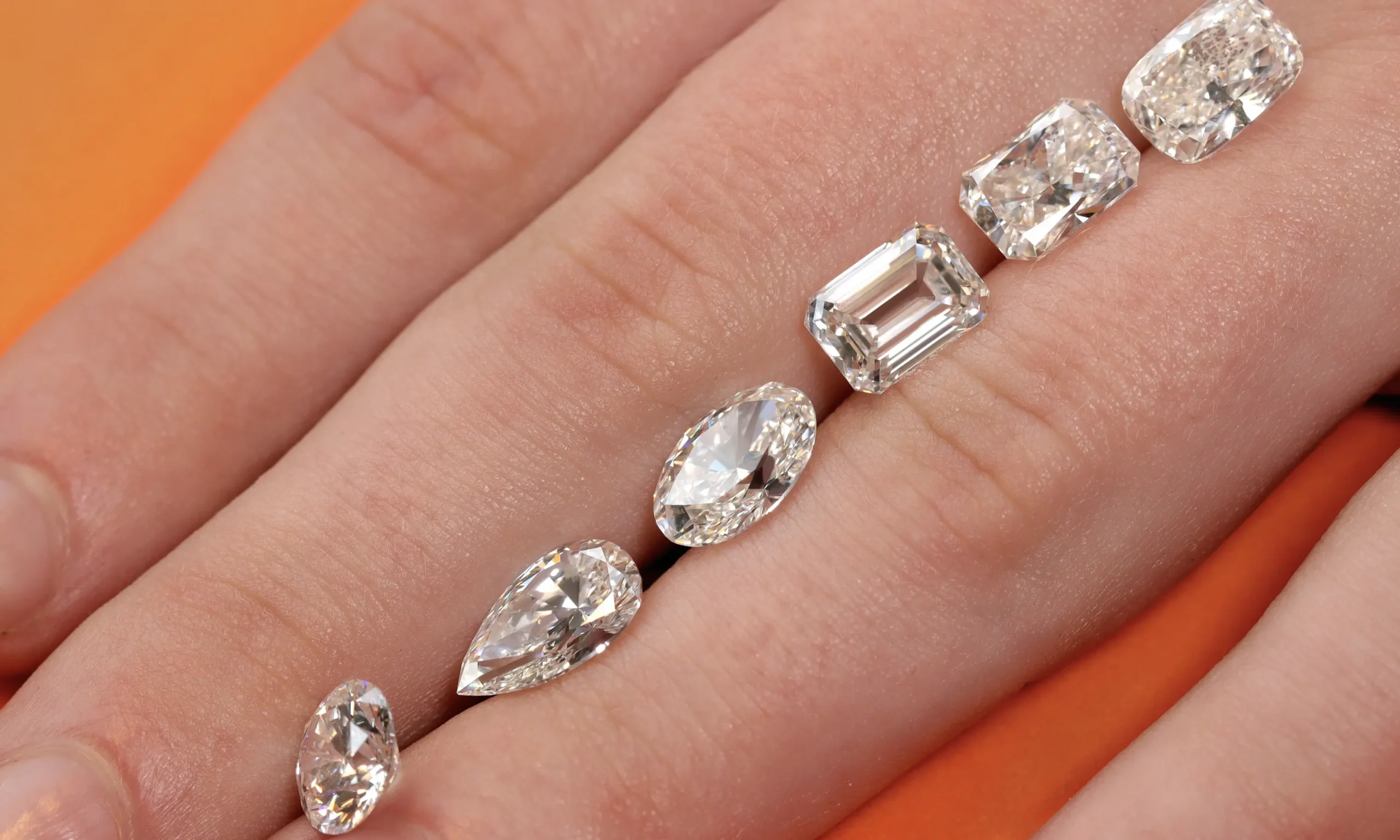
One of the primary responsibilities of a diamond jewelry manufacturer is sourcing high-quality diamonds. This includes both natural and lab grown stones, depending on market demand and brand positioning.
Manufacturers carefully evaluate diamonds based on the 4Cs: cut, color, clarity, and carat weight. Only stones that meet strict quality standards are selected for jewelry production. This ensures that the final products maintain consistency and meet customer expectations.
In today’s market, many manufacturers also prioritize ethical sourcing, ensuring that diamonds are conflict-free and responsibly obtained. This aligns with growing consumer awareness and demand for transparency.
Design and Product Development
Modern diamond jewelry manufacturers are heavily involved in design and product development. They do not simply produce existing designs; they actively create new collections based on market trends and customer preferences.
Design teams work closely with gemologists and engineers to develop jewelry that is both visually appealing and structurally sound. Computer-aided design (CAD) tools are commonly used to create precise models before production begins.
This stage is critical because it determines the final look, comfort, and durability of the jewelry. Manufacturers must balance creativity with practicality to ensure the pieces are suitable for everyday wear or special occasions.
Craftsmanship and Production
Once designs are finalized, the manufacturing process begins. Skilled artisans and advanced machinery work together to transform raw materials into finished jewelry pieces.
This includes setting diamonds into rings, necklaces, earrings, and bracelets with high precision. Every detail matters, from the alignment of stones to the polishing of metal surfaces.
In today’s market, manufacturers often combine traditional craftsmanship with modern technology such as laser cutting and 3D printing. This hybrid approach improves accuracy and efficiency while maintaining artistic quality.
Quality Control and Certification
Quality control is a crucial part of a diamond jewelry manufacturer’s role. Each piece undergoes multiple inspections to ensure it meets industry standards.
Manufacturers check for structural integrity, stone security, polish quality, and overall finish. Any defects or inconsistencies are addressed before the product reaches the market.
Certification also plays an important role. Many manufacturers provide gemological certificates that verify the authenticity and quality of diamonds used in their jewelry. This builds trust with retailers and end consumers.
Customization and Client Collaboration
In today’s competitive market, customization has become a key service offered by diamond jewelry manufacturers. Many clients, including jewelry brands and retailers, request bespoke designs tailored to their specific needs.
Manufacturers collaborate closely with clients to create unique pieces that reflect brand identity or customer preferences. This may include custom engagement rings, branded collections, or exclusive designs for special markets.
This level of collaboration helps manufacturers build long-term relationships and expand their business opportunities.
Supply Chain Management and Distribution
A diamond jewelry manufacturer is also responsible for managing the supply chain efficiently. This includes coordinating raw material procurement, production schedules, inventory management, and global distribution.
Efficient supply chain management ensures timely delivery of products and reduces operational delays. Manufacturers often work with international clients, requiring strong logistics systems to handle global shipping and compliance requirements.
In today’s fast-paced market, reliability in delivery is just as important as product quality.
Innovation and Market Adaptation
The modern diamond jewelry industry is highly dynamic, and manufacturers must continuously adapt to changing trends. Innovation plays a key role in staying competitive.
This includes adopting new technologies, experimenting with sustainable materials, and developing contemporary designs that appeal to younger consumers. Lab grown diamonds, for example, have become a major area of focus for many manufacturers due to their rising popularity.
Manufacturers that fail to innovate risk falling behind in a rapidly evolving global market.
Conclusion
A diamond jewelry manufacturer in today’s market is far more than a production facility. It is a multi-functional enterprise responsible for sourcing, designing, crafting, and delivering high-quality jewelry while maintaining ethical and technological standards.
From advanced design tools to strict quality control and global distribution networks, manufacturers play a central role in shaping the modern jewelry industry. As consumer expectations continue to evolve, their importance in delivering sustainable, innovative, and beautifully crafted diamond jewelry will only continue to grow.