Choosing a suitable basin for ablution involves more than finding a fixture that fits the available space. A well-designed washing area should make daily preparation for prayer comfortable, support good hygiene, and help prevent water from spreading across the bathroom floor. Since wudu involves washing several parts of the body in a particular sequence, the basin should accommodate these movements without requiring awkward positions. Paying attention to practical details before purchasing can help homeowners select a fixture that remains useful and attractive over time.
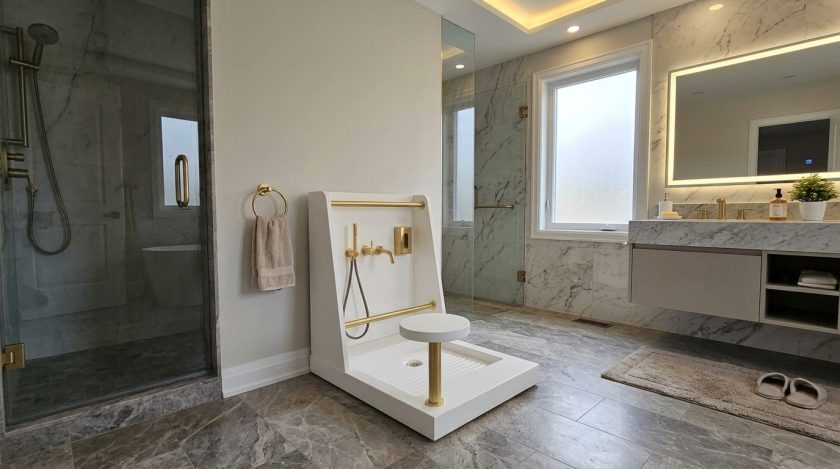
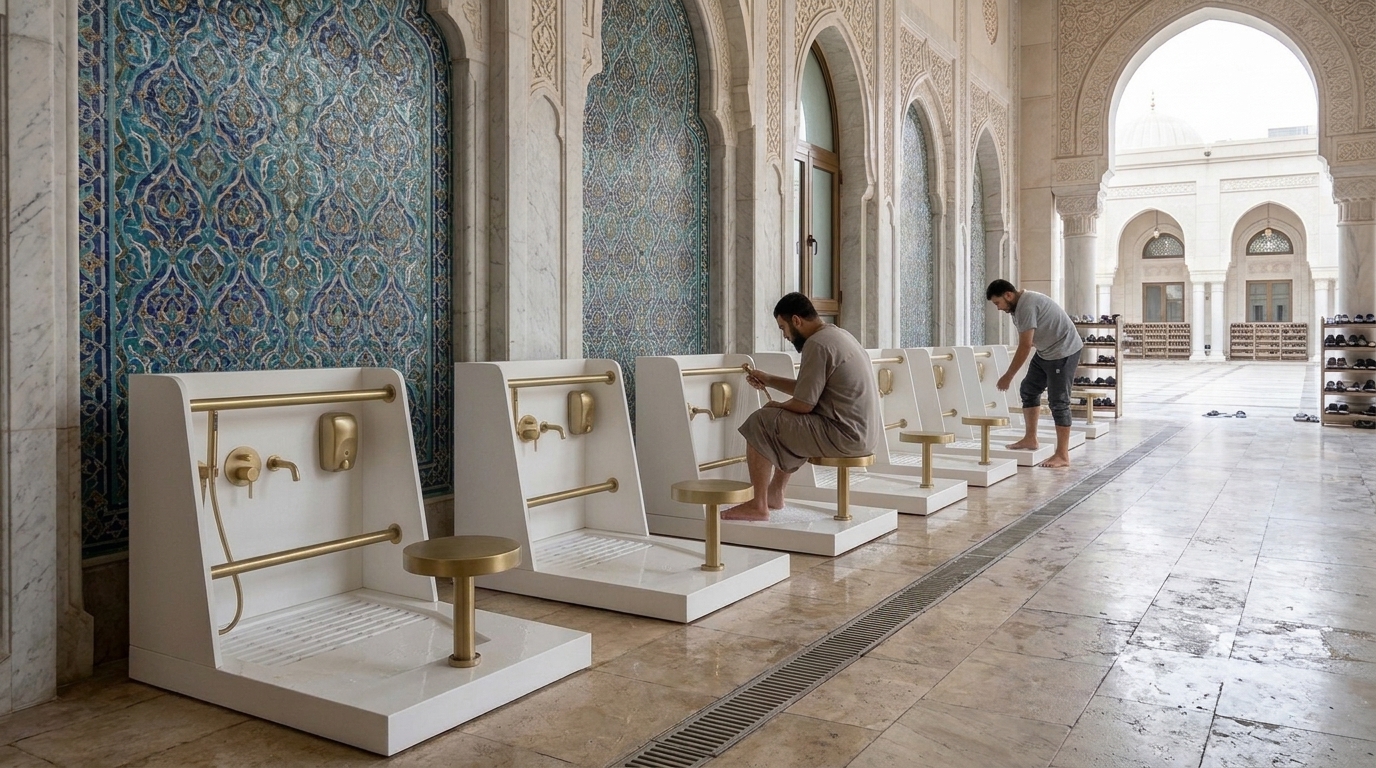
When comparing different options, consider how a bathroom Wudu basin will fit into the household’s daily routine and the needs of everyone who may use it. Bowl dimensions, tap placement, height, and surrounding floor space can all influence convenience. A purpose-designed fixture may also offer advantages over an ordinary washbasin, particularly when it is intended to support regular ablution. Exploring the purpose and benefits of a Wudu sink can provide useful background when deciding which features deserve the most attention.
1. Comfortable Height and Accessible Design
The height of the basin is one of the first details to assess. A fixture that is too high may make washing the feet or lower legs uncomfortable, while one that is too low can require excessive bending. The ideal height depends on the design, the available installation space, and the people who will use it most often.
In a family bathroom, accessibility deserves particular consideration. Children may need a safe way to reach the water, while older adults may prefer a design that reduces unnecessary bending and movement. If several people with different needs share the bathroom, a practical compromise can make the fixture more versatile. Before installation, measure the intended position and consider how users will stand or sit while performing ablution.
2. A Suitable Bowl Shape and Depth
The shape of the bowl affects how easily water can be directed and contained. A basin with a useful internal depth can reduce splashing during washing, while a well-designed slope helps water move towards the drain. Extremely shallow bowls may allow water to escape more easily, especially when the user needs to wash their feet or lower legs.
The bowl should also provide enough room for comfortable movement. Rounded internal corners can make cleaning simpler because they leave fewer difficult areas where soap residue or dirt can collect. However, the basin should not be unnecessarily large if the bathroom is compact. The best choice balances usable space with the dimensions of the room.
3. Convenient Tap Position and Water Control
Tap placement can make a noticeable difference to the ablution experience. A faucet positioned too close to the back or side of the bowl may be difficult to reach, while an unsuitable water flow can cause splashing. Look for a tap arrangement that allows users to control the water comfortably without interrupting their movements.
A mixer tap can provide convenient temperature adjustment where hot and cold water supplies are available. Some households may prefer a simple cold-water fitting, depending on local conditions and personal requirements. In either case, the controls should be straightforward to operate and easy to maintain. Check that the selected tap is compatible with the basin’s mounting holes and plumbing connections.
4. Water Management and Drainage
Effective drainage is essential in an ablution area. Water should leave the bowl efficiently rather than collecting around the drain or overflowing onto the surrounding surface. Check the drain opening, waste fitting, and plumbing requirements before buying. A suitable drainage arrangement helps keep the area cleaner and reduces the likelihood of standing water.
The floor around the basin matters as well. Choose a water-resistant flooring material with a suitable slip-resistant finish, particularly if users may stand barefoot. A carefully positioned floor drain can provide an additional way to manage splashes, although its location should be planned alongside the main plumbing.
5. Durable and Easy-to-Clean Materials
A basin used every day should be made from a material that can withstand regular contact with water and routine cleaning. Solid surface, ceramic, and other bathroom-grade materials may be suitable, depending on the manufacturer’s specifications. Compare surface durability, resistance to staining, and the cleaning products recommended for each option.
A smooth, non-porous surface is generally easier to keep hygienic because it is less likely to retain moisture and residue. Avoid assuming that every cleaning chemical is appropriate for every material. Following the manufacturer’s care instructions can help preserve the finish and prevent premature damage.
6. Size, Storage, and Overall Appearance
Finally, consider how the basin will work with the rest of the bathroom. A compact unit may be ideal for a small room, while a larger design could suit a dedicated ablution area. If storage is needed, nearby shelves or a vanity unit can hold towels and personal care items without crowding the washing space.
The fixture should also complement the bathroom’s overall style. Neutral colours and simple shapes often work well with contemporary interiors, while other finishes may suit more traditional spaces. By considering comfort, water control, drainage, durability, and appearance together, homeowners can choose a basin that supports regular ablution while remaining a practical part of the bathroom.