A specialist bathroom fixture should be chosen according to the room in which it will be installed. A product that works well in a spacious family bathroom may be unsuitable for a narrow ensuite, while a compact model may not provide enough capacity for a shared facility. Before comparing colours and styles, it is useful to understand the physical requirements of the space and the people who will use the basin.
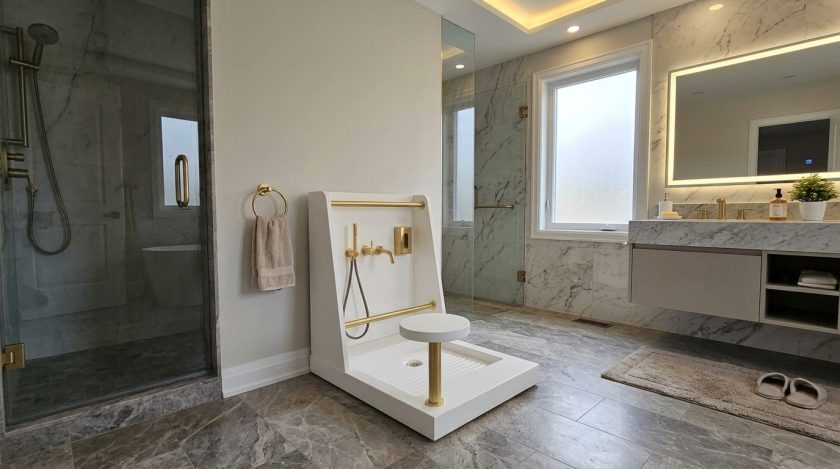
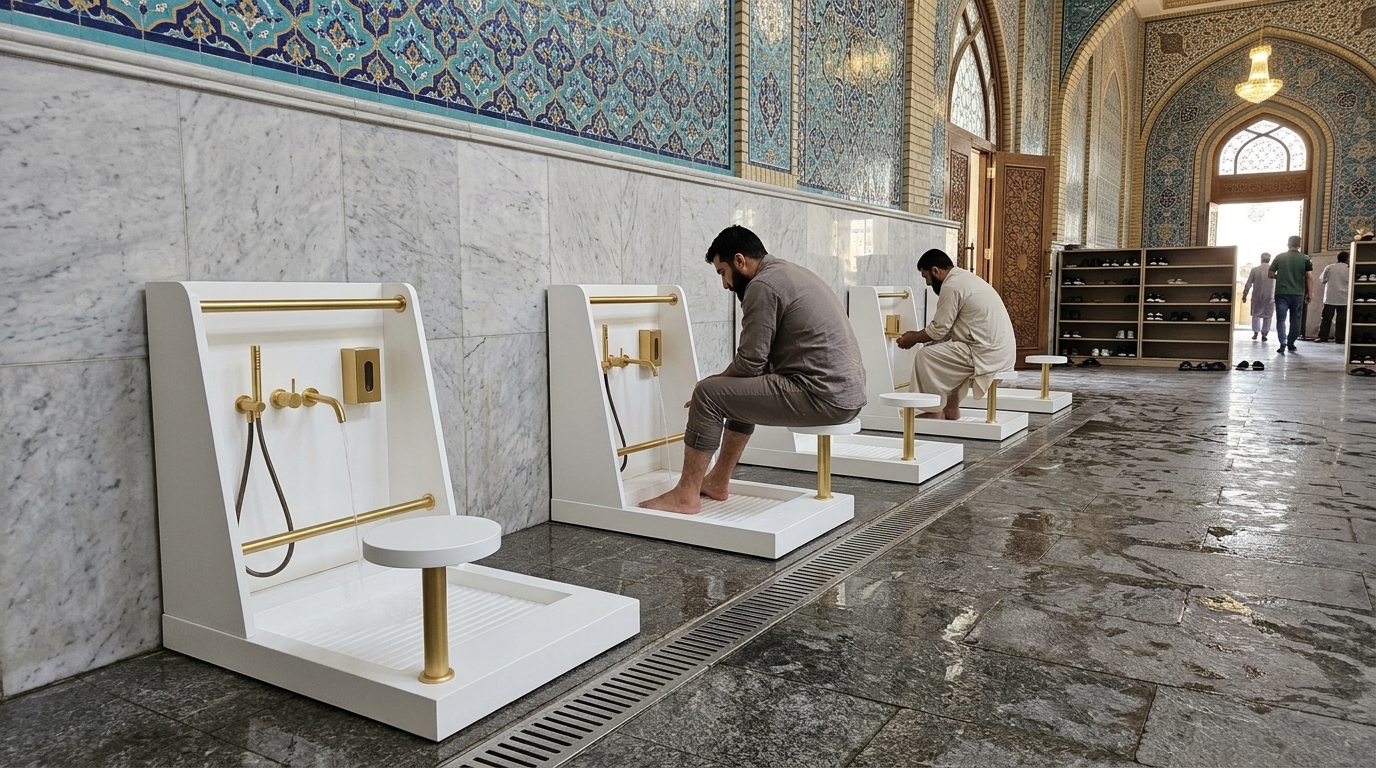
When assessing products, ask whether a Muslim Wudu sink will fit the available area while supporting the washing movements required for ablution. Some designs have a dedicated lower section for the feet, while others use a wider or contoured bowl. The right choice depends on the user’s preferences, the fixture’s dimensions, and the practical conditions at the installation site.
Take Accurate Measurements First
Start by measuring the wall or floor area where the basin may be installed. Record the available width, depth, and height, then mark the position of nearby doors, windows, showers, toilets, and cabinets. These measurements will help rule out products that are too large or likely to interfere with normal bathroom movement.
Do not measure only the area occupied by the fixture. Users need space in front of it to stand, turn, and reach the tap. A basin that fits neatly against a wall can still be inconvenient if the approach area is restricted. In a small room, circulation space should be treated as part of the product’s required footprint.
Decide Which Basin Configuration You Need
Different designs support ablution in different ways. A model with a lower foot-washing section may suit users who prefer that arrangement, while a broader bowl may provide more general washing space. Some fixtures combine several features, but additional sections can affect the overall dimensions.
Compare the usable internal area rather than relying solely on external measurements. Check the height of any lower section and whether the tap can reach the intended washing area. If possible, view a full-size product or request a detailed technical drawing before making a final decision.
Choose Between Wall-Mounted and Floor-Supported Models
Wall-mounted basins can create a lighter appearance and leave floor space visible. They may be suitable for compact bathrooms, but the supporting wall must meet the manufacturer’s requirements. Reinforcement may be needed, especially if the fixture is heavy or will receive regular use.
Floor-supported models can be appropriate where the wall is unsuitable for mounting or where the plumbing arrangement favours a floor connection. They may occupy more visible space, so check how the base will affect cleaning and movement. The building’s construction should guide the choice.
Consider the Material and Finish
Ceramic and solid-surface products are common options, but each model should be assessed individually. Ask about the surface finish, cleaning requirements, resistance to everyday wear, and warranty. A smooth, easy-care surface can make regular cleaning simpler, particularly around the tap and drain.
Choose a colour that works with the existing bathroom scheme. White and other neutral tones are versatile, while darker finishes can provide contrast. Check whether the selected finish shows water marks or mineral deposits easily, especially if the local water supply is hard.
Confirm the Plumbing Requirements
Before ordering, compare the basin’s waste outlet and tap connections with the existing services. Check whether the product includes the waste fitting and whether the tap is supplied separately. A qualified plumber can determine whether pipework needs to be moved or upgraded.
Drainage is particularly important in an ablution area. The basin should empty effectively, and the floor around it should be suitable for occasional splashing. Waterproofing and slip resistance should be considered as part of the same installation plan.
Think About Maintenance and Future Access
The fixture should be easy to clean and should allow access to connections that may need repair. Ask whether replacement components are available and how warranty claims are handled. Avoid placing permanent cabinetry where it would make plumbing connections difficult to reach.
Match the Choice to the Room
The right basin is one that fits the room without compromising comfort. Accurate measurements, suitable configuration, compatible plumbing, and manageable maintenance should lead the decision. Once these practical requirements are met, colour and style can help complete a bathroom that is both functional and visually consistent.