

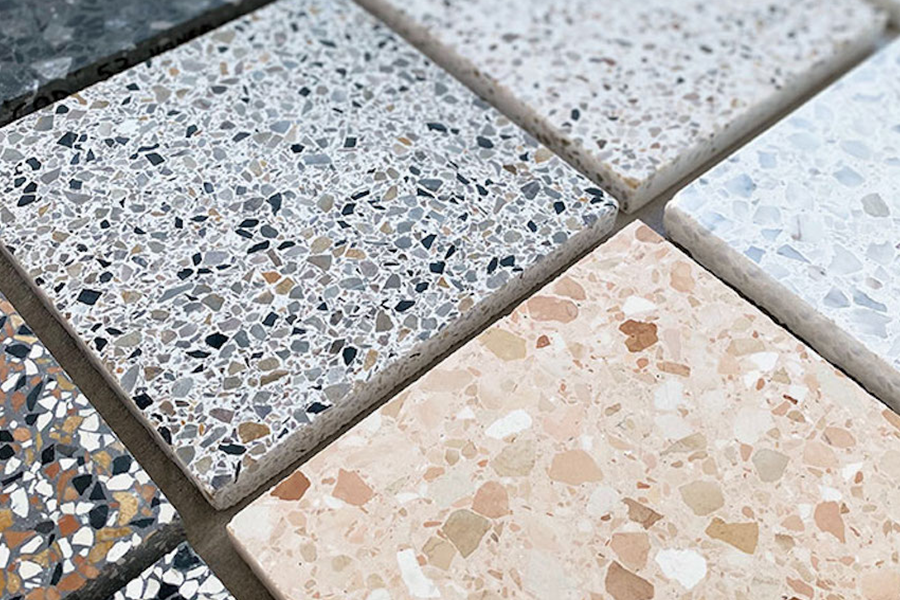
Home decoration products play an important role in shaping the appearance, comfort, and functionality of residential and commercial spaces. From decorative wall panels and surface materials to coordinated interior accessories, these products help transform design concepts into practical environments. As consumer preferences evolve, manufacturers must balance visual creativity with product quality, production efficiency, and market demand.
A professional Home Decoration Manufacturer connects design development with industrial production, turning ideas into products that can be manufactured consistently and supplied to different markets. This process involves understanding customer requirements, selecting suitable materials, developing product designs, managing production, and checking finished goods before delivery. Each stage contributes to whether a decorative product is attractive, practical, and commercially viable.
1. Understanding Market Needs and Design Trends
Successful product development begins with understanding the people and markets the products are intended to serve. Residential customers, interior designers, contractors, retailers, and hospitality businesses may have different expectations.
A manufacturer needs to identify these requirements before investing in product development.
Common market considerations include:
- Design preferences: Popular colors, textures, patterns, and decorative styles.
- Functional expectations: Durability, ease of cleaning, moisture resistance, and everyday usability.
- Price positioning: Product features and materials that suit the intended market segment.
- Application requirements: Whether products are intended for homes, offices, hotels, retail spaces, or other environments.
- Regional preferences: Differences in design tastes, building practices, and consumer expectations across markets.
Market research helps manufacturers avoid developing products that look attractive but have limited practical demand.
2. Turning Design Concepts into Product Ideas
Once market requirements are understood, the next step is translating them into product concepts. This stage connects creative direction with technical and commercial considerations.
Design teams may develop ideas around natural materials, contemporary minimalism, traditional decorative patterns, or coordinated interior collections.
Creating a Design Direction
A clear design direction helps establish the product’s visual identity. It may define the intended color palette, surface appearance, decorative details, and overall style.
For example, a collection inspired by natural stone might emphasize subtle veining, neutral colors, and refined surface textures. A contemporary collection may focus on geometric patterns, clean lines, and restrained color combinations.
Developing Initial Concepts
Sketches, material samples, and design references help teams evaluate different ideas before production begins.
At this stage, manufacturers should consider whether a design can be reproduced consistently and whether its production requirements are commercially practical.
Evaluating Design Feasibility
Not every creative concept is suitable for large-scale manufacturing. Some patterns may require specialized equipment, additional processing, or materials that are difficult to source.
A feasibility review helps determine whether the concept can meet quality, cost, and production requirements.
3. Selecting Materials for Quality and Appearance
Material selection has a direct influence on a decorative product’s appearance, durability, weight, maintenance requirements, and production cost.
The right material depends on the product category and its intended application.
Ceramic and Porcelain Materials
Ceramic and porcelain products are widely used in interior decoration, particularly for wall and floor surfaces. They can be manufactured in many colors, patterns, sizes, and finishes.
Their suitability depends on factors such as water absorption, strength, surface treatment, and intended installation environment.
Natural Stone and Stone-Inspired Materials
Natural stone offers distinctive patterns and variations, while manufactured alternatives can provide more controlled decorative effects.
These materials may be considered for countertops, wall features, furniture surfaces, and other interior applications.
Glass and Metal Elements
Glass and metal can add reflective details, contrast, and modern character to decorative products. Their use requires attention to fabrication, safety, finishing, and installation requirements.
Composite and Engineered Materials
Engineered materials can offer flexibility in dimensions, colors, textures, and production methods. Their technical characteristics should be evaluated according to the intended use.
Material samples and technical specifications help manufacturers confirm that the selected materials support both the design concept and product requirements.
4. Balancing Creativity with Practical Functionality
Decorative products need to look appealing, but they must also perform appropriately in their intended environments.
A wall decoration, for example, may prioritize visual impact and ease of installation. A decorative countertop surface may require greater attention to abrasion, staining, heat exposure, and cleaning requirements.
Manufacturers should assess several functional factors:
- Resistance to expected wear and environmental exposure
- Compatibility with common installation methods
- Ease of cleaning and routine maintenance
- Dimensional stability
- Surface consistency
- Safety requirements for the intended application
Balancing these considerations during product development can reduce the need for costly changes after production has started.
5. Prototyping and Sample Development
Before a new product enters full-scale manufacturing, prototypes and samples allow teams to assess its appearance and practical characteristics.
A prototype may be used to review dimensions, colors, surface details, material behavior, and fabrication requirements.
Reviewing Visual Accuracy
The sample should be compared with the original design concept. Differences in color, pattern placement, texture, or gloss may need to be corrected.
Testing Practical Performance
Depending on the product category, manufacturers may evaluate durability, adhesion, surface resistance, dimensional stability, or other relevant characteristics.
Gathering Feedback
Samples can be reviewed by internal teams, distributors, designers, or potential customers. Their feedback may reveal issues that were not apparent during the initial design stage.
This process helps refine the product before significant production resources are committed.
6. Establishing Efficient Manufacturing Processes
Once a product design is approved, the manufacturer must determine how to produce it consistently and efficiently.
Production methods vary according to the product category, materials, design complexity, and required output volume.
A typical manufacturing workflow may include:
- Material preparation: Raw materials are selected, inspected, measured, and prepared.
- Forming or shaping: Materials are processed into the required product dimensions and structures.
- Surface treatment: Printing, glazing, polishing, coating, texturing, or other finishing operations may be applied.
- Processing and curing: Products undergo the relevant manufacturing treatments.
- Final finishing: Edges, surfaces, and other details are completed.
- Inspection and packaging: Finished products are checked and prepared for shipment.
Clear production procedures help maintain repeatability across batches and reduce avoidable variation.
7. Using Technology to Improve Production Consistency
Modern manufacturing facilities may use automated equipment, digital design systems, and production monitoring technologies to improve efficiency.
Technology can support several important activities.
Digital Design and Visualization
Digital tools help teams develop patterns, explore color combinations, and review how products may look in different interior settings.
They can also support communication between designers, technical teams, and customers.
Automated Production Equipment
Automation can improve repeatability in processes such as cutting, shaping, printing, polishing, and material handling.
The benefits depend on equipment suitability, maintenance, operator training, and process control.
Production Monitoring
Monitoring systems can help manufacturers track production conditions and identify deviations from established operating requirements.
This information supports troubleshooting and process improvement.
Technology is most valuable when it is combined with skilled personnel, suitable materials, and clear quality procedures.
8. Maintaining Quality Control Throughout Production
Quality control should not be limited to the final inspection stage. Monitoring materials and production conditions throughout the manufacturing process helps identify potential problems earlier.
Important quality-control activities may include:
Incoming material inspection: Checking raw materials for appearance, dimensions, composition, and suitability.
Process monitoring: Confirming that production equipment and operating conditions meet established requirements.
Appearance inspection: Identifying color differences, surface defects, scratches, or irregular patterns.
Dimensional checks: Measuring product length, width, thickness, and other relevant dimensions.
Performance testing: Conducting product-specific tests to verify characteristics required for the intended application.
Final inspection: Confirming that finished products meet approved specifications before packaging.
Manufacturers should maintain appropriate inspection records so that production issues can be investigated and corrective actions can be taken when necessary.
9. Developing Product Collections for Different Interior Styles
A coordinated product collection can help manufacturers serve customers with different design preferences while maintaining a recognizable product identity.
Instead of offering isolated items, manufacturers may organize products around shared colors, textures, materials, or visual themes.
Contemporary Collections
Contemporary designs often emphasize simple forms, restrained colors, and clean surface details. Neutral shades and subtle patterns can work well in modern residential and commercial interiors.
Natural-Inspired Collections
Products inspired by marble, wood, stone, or other natural materials can introduce visual warmth and organic character.
Manufacturers should consider how accurately the selected production method can reproduce the intended appearance.
Decorative Statement Collections
Bold colors, distinctive patterns, and textured finishes can help create focal points in feature walls, reception areas, and selected residential spaces.
Coordinated Interior Collections
Matching or complementary products can support a consistent design approach across floors, walls, countertops, and furniture surfaces.
A well-planned collection makes it easier for designers and buyers to combine products within a larger interior scheme.
10. Packaging, Logistics, and Market Readiness
A product is not fully market-ready until it can be packaged, transported, stored, and delivered appropriately.
Packaging requirements vary according to product size, weight, fragility, and surface characteristics.
Manufacturers should consider:
- Protective materials that reduce scratching and impact damage
- Suitable cartons, crates, or support structures
- Product identification and batch labeling
- Clear handling and storage instructions
- Efficient loading arrangements
- Transportation conditions and delivery schedules
For international markets, additional considerations may include export documentation, customs requirements, shipping terms, and destination-specific product regulations.
Well-organized logistics help protect product quality and improve the customer experience.
11. Customization and Private-Label Manufacturing
Some buyers require products that reflect their own brand identity, design preferences, or market positioning. Customization can help manufacturers serve these needs.
Possible customization options may include:
- Special colors and decorative patterns
- Customized dimensions or product formats
- Different surface finishes
- Coordinated product collections
- Packaging and labeling requirements
- Private-label branding, where available
Before accepting a customized order, manufacturers should review minimum quantities, production feasibility, sample approval procedures, lead times, and additional costs.
Clear communication is particularly important because customized products may require more detailed specifications than standard catalog items.
12. What Buyers Should Evaluate When Choosing a Manufacturer
Selecting a manufacturer involves more than reviewing a product catalog. Buyers should examine the company’s ability to meet technical, commercial, and delivery requirements.
Important evaluation points include:
- Product range: Does the manufacturer offer products that match the project’s design and application needs?
- Material knowledge: Can the company explain material characteristics and appropriate uses?
- Production capacity: Can it handle the required quantities within the expected schedule?
- Quality management: Are inspection procedures and quality records available?
- Customization capability: Can the manufacturer accommodate specific colors, sizes, or finishes?
- Technical documentation: Are product specifications and relevant test reports provided?
- Packaging standards: Are products protected appropriately during transportation?
- Communication: Does the supplier respond clearly to technical and commercial questions?
- After-sales support: Is there a defined process for handling product concerns?
Requesting samples and reviewing production capabilities can provide a clearer picture of whether a manufacturer is suitable for a long-term business relationship.
13. Common Challenges in Turning Concepts into Market-Ready Products
Product development involves several challenges that manufacturers need to manage carefully.
Design and Production Differences
A design may appear attractive in a digital presentation but prove difficult to reproduce consistently. Early prototyping and feasibility checks help reduce this risk.
Material Availability
Changes in raw material supply can affect production schedules, product appearance, and cost. Manufacturers should establish suitable sourcing arrangements and monitor material consistency.
Quality Variation
Differences between production batches can create problems for buyers managing large projects. Standardized specifications, process monitoring, and inspection records help control variation.
Cost and Market Positioning
A product with too many specialized features may become expensive to manufacture. Manufacturers need to balance design requirements with production efficiency and market expectations.
Changing Consumer Preferences
Interior trends evolve over time. Regular market research and product development reviews help manufacturers keep collections relevant without making unnecessary changes to established products.
14. Building a Long-Term Product Development Strategy
Successful product development should be treated as an ongoing process rather than a one-time activity.
Manufacturers can strengthen their market position by collecting customer feedback, monitoring design trends, reviewing product performance, and improving production methods.
Useful long-term practices include maintaining approved product specifications, documenting sample changes, reviewing quality data, and assessing the commercial performance of each collection.
Collaboration between designers, production teams, quality inspectors, distributors, and customers can also help identify opportunities for improvement.
A consistent development strategy allows manufacturers to introduce new products while maintaining the reliability of existing collections.
Conclusion
Turning interior design concepts into market-ready products requires a coordinated approach to market research, creative development, material selection, prototyping, manufacturing, quality control, and logistics.
A capable home decoration manufacturer must understand both the visual expectations of customers and the practical requirements of industrial production. By combining thoughtful design with reliable processes and clear technical standards, manufacturers can develop decorative products that are attractive, functional, and suitable for different markets.
For buyers, evaluating product quality, customization capabilities, production capacity, documentation, and delivery arrangements provides a strong foundation for selecting a manufacturing partner and building successful long-term projects.


