In a busy factory, warehouse, or processing facility, materials rarely remain in one place for long. Components arrive at receiving areas, move through production stages, undergo inspection, and eventually reach storage or dispatch. Coordinating these movements can be difficult when each transfer relies on separate handling tasks. Industrial conveying systems provide a structured way to connect different work areas and maintain a more predictable flow of materials.
Modern Industrial Conveyors include a broad range of mechanical systems designed to transport products, components, and bulk materials. Belt, roller, chain, screw, and bucket conveyors each serve different operating needs. Their value comes from matching the conveying method to the material, route, required capacity, and production process rather than choosing equipment based on a general specification alone.
1. Connect Separate Production Stages
A conveyor can create a direct link between two or more workstations. In a manufacturing facility, it may carry components from assembly to inspection or move finished products toward packing.
This reduces the need for employees to repeatedly collect and transfer items between processes. It can also make the sequence of work easier to understand because materials follow a defined route.
The layout should allow each workstation to receive materials at a manageable rate. If the conveyor delivers items faster than employees or machines can process them, products may accumulate and create congestion.
2. Select a Conveyor Type for the Material
Different materials require different forms of support and movement. Belt conveyors are commonly used for packaged products and many bulk materials. Roller conveyors can suit cartons, totes, and other items with stable bases. Screw conveyors are often used for powders and granules, while bucket elevators move suitable bulk materials vertically.
The choice depends on product dimensions, weight, shape, flow characteristics, and handling sensitivity. Fragile items may require controlled acceleration and gentle transfer points, while abrasive bulk materials may need wear-resistant components.
A material-handling assessment helps identify the most suitable technology and avoids selecting equipment that is difficult to operate in practice.
3. Improve Workflow Consistency
A properly designed conveyor system can help maintain a steady movement of materials through a facility. This is useful where production depends on a predictable supply of components or ingredients.
Conveyor speed, spacing, and accumulation capacity should be aligned with the production schedule. Some systems use variable-speed drives to adjust flow, while sensors can detect product presence or monitor the condition of connected equipment.
A balanced system reduces the likelihood that one stage will become overloaded while another waits for materials.
4. Make Use of Available Floor Space
Factories and warehouses often need to accommodate machines, storage racks, walkways, and vehicle routes within a limited area. Conveyors can be arranged to connect workstations without requiring repeated forklift movements.
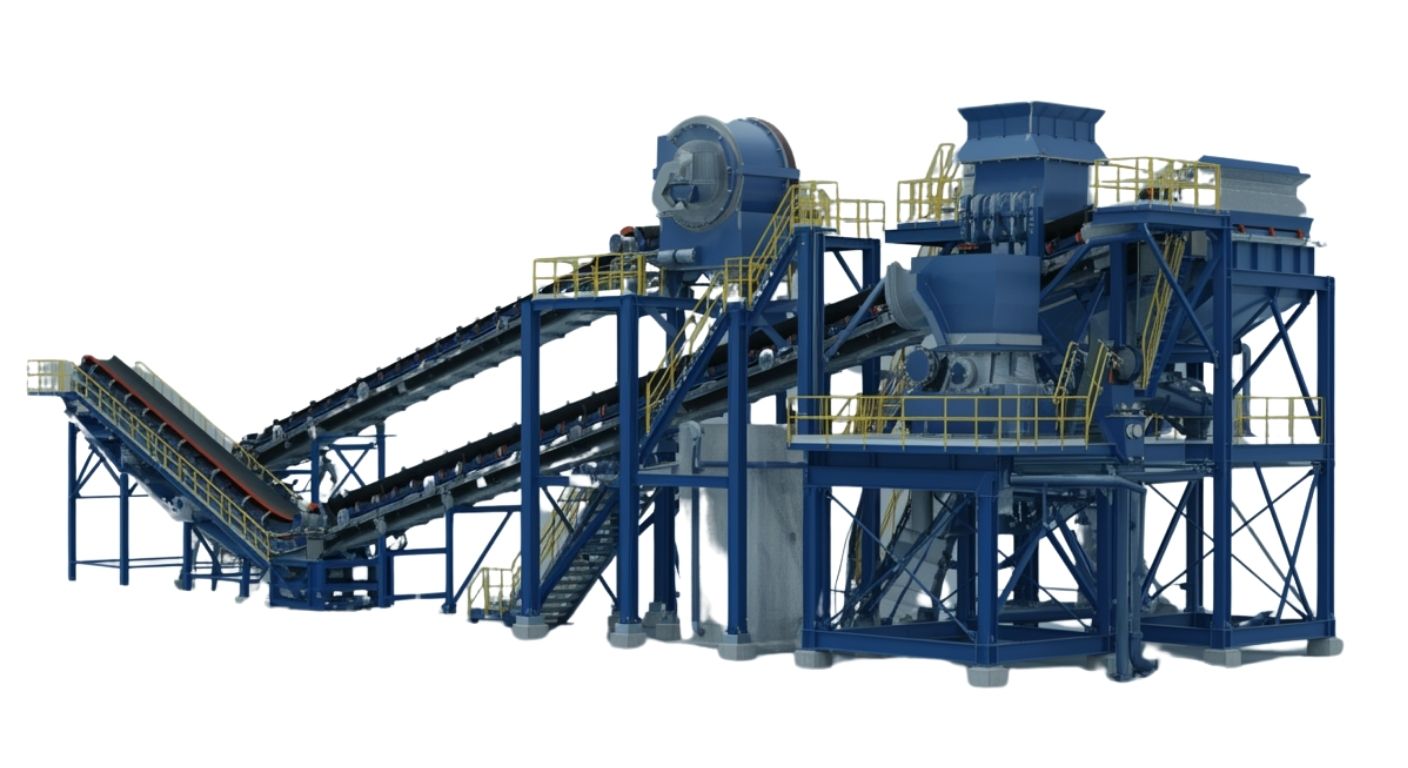
Depending on the design, a system may follow a straight route, turn around obstacles, or move materials between different elevations. Elevated conveying can be useful where floor space is limited, provided the structure and access arrangements are properly engineered.
Designers must preserve safe walkways, emergency exits, inspection access, and clearance around other equipment.
5. Support Automation and Traceability
Industrial conveyors can work with scanners, weighing devices, sensors, sorting mechanisms, and automated machinery. This makes them useful in production lines where items need to be identified, counted, inspected, or directed to different destinations.
For example, a sensor may detect a package and trigger a downstream operation. A control system can also coordinate conveyor sections so that material moves only when the receiving area is available.
Where product tracking is important, conveyors can form part of a wider system that records movement through production and distribution stages.
6. Consider Workplace Safety
Conveyors introduce moving parts and potential pinch or entanglement points. Risk assessments should cover loading areas, discharge points, belt or chain movement, maintenance access, and interaction with workers.
Appropriate guarding, emergency stops, warning devices, and safe operating procedures are essential. Employees should understand how to stop the equipment and report abnormal conditions.
Maintenance tasks should be performed under suitable isolation procedures to prevent unexpected startup.
7. Keep the System Reliable
Routine maintenance helps preserve conveyor performance. Inspection plans should include belts, rollers, chains, bearings, drives, motors, sensors, supports, and transfer points.
Cleaning requirements depend on the material being handled. Facilities dealing with powders, food products, or other sensitive materials may need specialized cleaning and containment arrangements.
Maintenance access, spare parts, and service support should be considered when evaluating equipment suppliers.
Conclusion
Industrial conveyors streamline production by connecting work areas, organizing material movement, and supporting automation. Their effectiveness depends on choosing the right conveyor type, matching capacity to process requirements, and planning safe access and maintenance. When integrated into the wider facility layout, they can help reduce unnecessary handling and create a more coordinated production workflow.