Vertical shaft machinery is widely used in industrial environments where equipment must operate under demanding mechanical conditions. Vertical pumps, turbines, compressors, and other rotating systems rely on durable bearing components to support shaft movement, manage mechanical forces, and maintain operational stability. In high-load applications, selecting the correct bearing material is especially important because excessive stress, friction, temperature, and environmental exposure can accelerate wear.
The performance of Vertical Shaft Bearings depends not only on bearing design but also on the material used in its construction. Different materials offer different levels of load capacity, wear resistance, corrosion protection, and thermal stability. Understanding these characteristics helps engineers choose suitable bearing solutions for specific operating conditions and improve the reliability of industrial machinery.
Why Bearing Material Selection Matters in High-Load Applications
Bearing materials must withstand the mechanical and environmental demands of the equipment in which they are installed. In vertical shaft systems, bearings may experience axial thrust, radial forces, vibration, and continuous operating loads.
An unsuitable material can deteriorate quickly, leading to increased clearance, excessive friction, shaft instability, and unexpected equipment downtime.
Selecting an appropriate material helps achieve several important objectives:
- Load support: Provides the required strength to withstand operating forces.
- Wear resistance: Reduces surface deterioration caused by repeated contact.
- Corrosion protection: Helps prevent damage from moisture, chemicals, and aggressive fluids.
- Thermal stability: Maintains suitable mechanical properties under operating temperatures.
- Friction control: Supports smooth movement under the intended lubrication conditions.
- Long-term reliability: Helps reduce premature bearing replacement and maintenance requirements.
Material selection should always consider the complete operating environment rather than focusing on load capacity alone.
Common Materials Used in Vertical Shaft Bearings
Different materials are used in vertical shaft bearing applications depending on equipment design, operating conditions, lubrication method, and required service life.
1. Bronze
Bronze is a widely used bearing material because of its combination of strength, wear resistance, and machinability.
It is suitable for various sliding-bearing applications, including industrial machinery and selected vertical pump arrangements.
Key characteristics:
- Good wear resistance in suitable operating conditions.
- Useful load-carrying properties.
- Good machinability.
- Compatibility with several lubrication methods.
- Available in different alloy compositions.
Bronze bearings may be selected for applications where sliding contact and mechanical durability are important. However, the specific bronze alloy must be chosen according to the load, speed, temperature, and lubricant requirements.
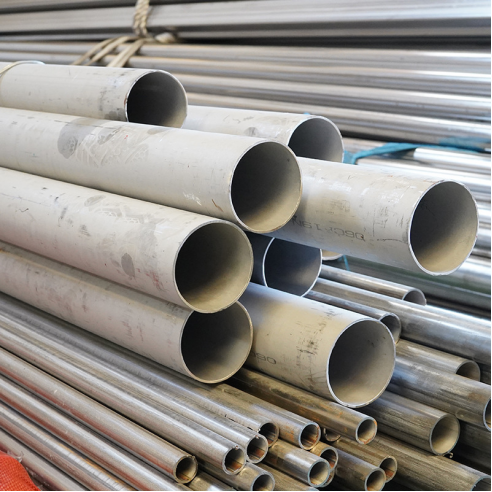
2. Stainless Steel
Stainless steel is used in bearing components and supporting structures where corrosion resistance and mechanical strength are important.
It can be beneficial in applications involving moisture, water exposure, or certain corrosive environments.
Key characteristics:
- Good corrosion resistance in suitable grades.
- Mechanical strength.
- Durability in demanding environments.
- Availability in different alloy compositions.
Stainless steel is not automatically suitable for every bearing contact surface. Its friction and wear characteristics must be evaluated, and it may require a compatible mating material and lubrication arrangement.
3. Carbon and Graphite Materials
Carbon and graphite-based materials are used in selected bearing applications where low friction, chemical resistance, and dry-running or fluid-lubricated performance are required.
Certain grades can operate in environments where conventional metallic bearing materials may not be appropriate.
Key characteristics:
- Low-friction behavior in suitable conditions.
- Chemical resistance in compatible environments.
- Potential suitability for water-lubricated applications.
- Performance across selected temperature ranges.
Carbon and graphite materials can be relatively brittle compared with metals, so mechanical strength, impact resistance, and installation requirements must be considered.
4. Polymer Materials
Engineering polymers are increasingly used in industrial bearing applications because of their low friction, corrosion resistance, and ability to operate in certain fluid environments.
Common examples include UHMWPE, PTFE-based materials, and other engineered polymer compounds.
Key characteristics:
- Resistance to many corrosive substances.
- Low friction in suitable applications.
- Good wear performance in selected grades.
- Potential suitability for water-lubricated systems.
- Reduced risk of metallic contamination in certain processes.
Polymer materials have limitations involving temperature, creep, dimensional stability, and load capacity. Their suitability should be verified under the expected operating conditions.
5. Composite Bearing Materials
Composite bearings combine two or more materials to achieve a balance of mechanical strength, friction characteristics, and wear resistance.
They may contain polymer matrices, reinforcing fibers, solid lubricants, or other engineered components.
Key characteristics:
- Application-specific friction properties.
- Potentially high wear resistance.
- Reduced maintenance requirements in suitable designs.
- Compatibility with selected lubrication environments.
- Flexibility in material engineering.
Composite materials are useful when a single conventional material cannot meet all application requirements. Their performance depends on composition, manufacturing quality, and operating conditions.
6. Ceramic Materials
Ceramic materials are used in specialized bearing applications where hardness, wear resistance, and corrosion resistance are important.
Some advanced ceramic materials can provide excellent performance under demanding operating conditions.
Key characteristics:
- High hardness.
- Strong wear resistance.
- Good corrosion resistance in suitable environments.
- Low density compared with many metals.
- Potential suitability for certain high-temperature applications.
Ceramics are generally more brittle than metals and can be sensitive to impact and installation damage. Their use requires careful consideration of loading, mounting, and contact conditions.
Factors That Influence Bearing Material Selection
Choosing the correct material requires evaluating the mechanical, thermal, and environmental demands of the machinery.
1. Axial and Radial Load Requirements
Vertical shaft systems may experience both axial and radial forces.
Axial loads act along the shaft axis, while radial loads act perpendicular to it. The bearing material must provide adequate mechanical properties for the type and magnitude of loading expected.
Engineers should consider:
- Continuous operating loads.
- Startup and shutdown forces.
- Hydraulic thrust in pump systems.
- Shaft weight and rotating assembly weight.
- Transient or abnormal loading conditions.
The bearing design and material must work together to support these forces safely.
2. Operating Speed
Rotational speed affects friction, heat generation, and the behavior of the lubricant film.
Some materials perform well at low speeds under heavy loads, while others are more suitable for higher-speed operation with appropriate lubrication.
The pressure-velocity (PV) limit is an important consideration for many sliding-bearing materials. It represents the relationship between bearing pressure and sliding speed and helps assess whether a material is suitable for a particular operating condition.
3. Temperature Resistance
High operating temperatures can affect material strength, dimensional stability, and lubrication performance.
Polymer materials may soften or creep beyond their specified temperature range, while metallic materials can experience changes in mechanical properties under extreme conditions.
Material selection should account for both normal operating temperatures and potential temperature fluctuations.
4. Corrosion and Chemical Exposure
Industrial bearings may operate in water, wastewater, chemical processing systems, or other environments where corrosion is a concern.
The selected material should be compatible with the operating fluid and any cleaning chemicals or process substances it may encounter.
Stainless steel, certain polymers, ceramics, and specialized composites can provide corrosion resistance in suitable applications, but compatibility must be verified for the specific chemical environment.
5. Lubrication Compatibility
Different bearing materials require different lubrication arrangements.
Some metallic bearings depend on an oil or grease film, while certain polymer, composite, or carbon-based designs can operate with water or other specified lubricants.
Engineers should verify that the material is compatible with the lubricant and that the system can maintain the required supply and cleanliness.
6. Maintenance and Service Life
Material selection also affects inspection requirements, replacement intervals, and overall maintenance costs.
A material with a higher initial cost may provide better value if it offers longer service life or improved resistance to the actual operating environment.
The evaluation should include expected operating hours, maintenance access, replacement difficulty, and the consequences of equipment downtime.
Comparing Common Bearing Materials
The following table provides a general comparison of materials used in industrial bearing applications. Actual performance depends on the grade, design, manufacturing quality, and operating conditions.
| Material | Main advantages | Important considerations |
|---|---|---|
| Bronze | Strength, machinability, and wear resistance | Alloy selection and lubrication requirements |
| Stainless steel | Corrosion resistance and mechanical strength | Friction and mating-surface compatibility |
| Carbon and graphite | Low friction and chemical resistance in suitable grades | Brittleness and mechanical loading |
| Engineering polymers | Corrosion resistance and low-friction properties | Temperature limits and creep |
| Composites | Tailored wear and friction characteristics | Grade-specific performance |
| Ceramics | Hardness and wear resistance | Brittleness and impact sensitivity |
No single material is ideal for every vertical shaft application. The final choice should be based on engineering calculations and manufacturer recommendations.
Material Selection for Different Industrial Applications
The operating environment often determines which bearing material is most appropriate.
Vertical Water Pumps
Water pumps may use bronze, engineered polymers, composites, or other compatible materials depending on water quality, load, and lubrication arrangements.
For water-lubricated systems, material compatibility with the fluid and suspended particles is particularly important.
Wastewater and Sewage Systems
Wastewater equipment may encounter abrasive particles, moisture, and corrosive substances.
Bearing materials should be selected to withstand contamination and environmental exposure. Effective sealing, water quality management, and suitable bearing clearances are also important.
Chemical Processing Equipment
Chemical processing machinery may require materials with specialized resistance to acids, alkalis, solvents, or other process fluids.
Material compatibility should be verified against the actual chemical concentration, temperature, and exposure duration.
Heavy Industrial Machinery
Large rotating equipment may impose substantial radial and axial forces on its bearing arrangements.
High-load applications require careful evaluation of mechanical strength, fatigue resistance, lubrication, and thermal behavior. The bearing configuration must also provide suitable support and load distribution.
How to Improve Bearing Performance in High-Load Conditions
Even a correctly selected bearing material requires suitable operating conditions and maintenance.
Use Accurate Load Calculations
Determine the expected axial and radial loads before selecting the bearing material. Include operating variations, startup conditions, and potential transient forces.
Maintain Correct Alignment
Shaft and bearing alignment helps distribute loads more evenly. Misalignment can create localized stress, excessive friction, and premature wear.
Follow Lubrication Requirements
Use the specified lubricant and maintain the recommended supply conditions. Monitor lubricant cleanliness, temperature, and condition.
Control Contamination
Protect bearings from dust, abrasive particles, moisture, and unwanted chemicals. Use suitable seals, filtration, and fluid-quality controls where required.
Monitor Operating Conditions
Regularly monitor vibration, temperature, shaft movement, and bearing clearance. Changes in these measurements can indicate developing mechanical problems.
Follow Installation Specifications
Use suitable fitting procedures and avoid impact or excessive force during installation. Check dimensions, tolerances, and clearances before putting the equipment into operation.
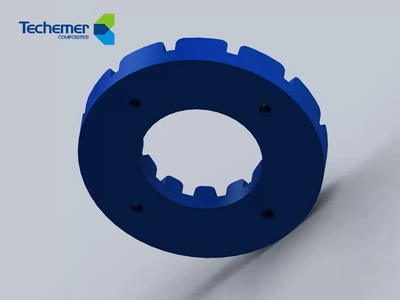
Techemer provides information about industrial bearing solutions that can help engineers evaluate material and bearing requirements for vertical pump applications.
Common Material Selection Mistakes to Avoid
Incorrect material selection can reduce bearing reliability even when the bearing is manufactured to a high standard.
Common mistakes include:
- Choosing a material based only on its initial purchase price.
- Ignoring the actual axial and radial load requirements.
- Overlooking operating temperature limits.
- Failing to check chemical and water compatibility.
- Selecting a material without considering lubrication conditions.
- Ignoring shaft hardness and mating-surface characteristics.
- Using a material outside its recommended pressure-velocity limits.
- Replacing a failed bearing without investigating the reason for its failure.
A complete application review helps prevent these mistakes and supports more reliable equipment operation.
Conclusion
Bearing material selection is a major factor in the performance and service life of vertical shaft machinery, particularly in high-load industrial applications. Bronze, stainless steel, carbon, graphite, engineering polymers, composites, and ceramics each offer different properties and operating limitations.
The most suitable material depends on load capacity, rotational speed, temperature, lubrication method, corrosion exposure, and maintenance requirements. Engineers should evaluate these factors together with the bearing design to ensure reliable operation.
By selecting compatible materials, maintaining accurate alignment, controlling lubrication, and monitoring operating conditions, industrial facilities can reduce premature bearing wear and improve equipment reliability. A carefully engineered material choice helps vertical shaft systems operate more consistently under demanding industrial conditions.